Japanese Man Sentenced to 18 Months in Prison for Posting GODZILLA Spoilers
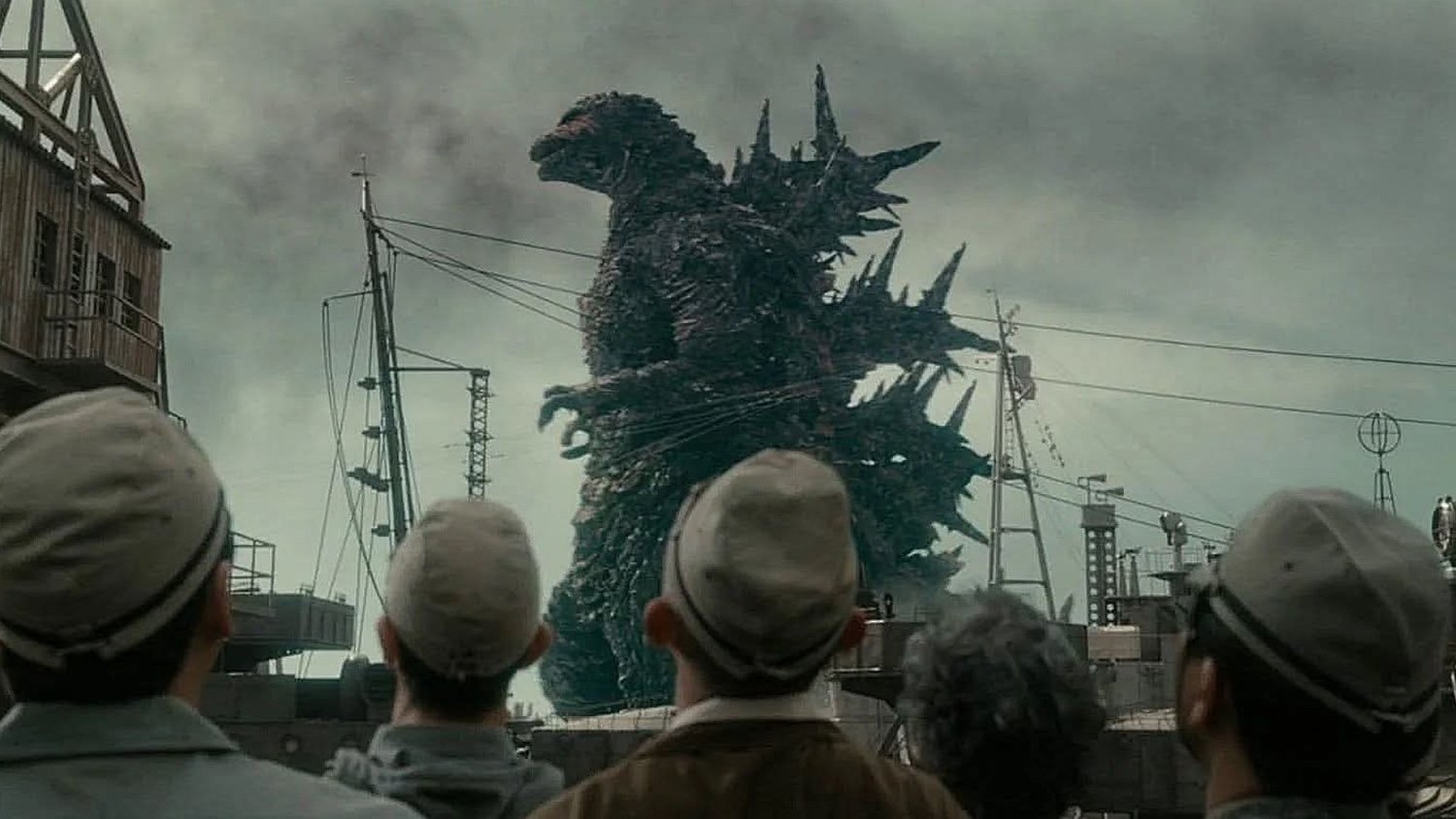
Wataru Takeuchi was sentenced by the Tokyo District Court to one and a half years in prison and fined 1 million yen (about $6,300) for posting detailed spoilers of popular films including GODZILLA Minus One and the anime Overlord.
This ruling marks a significant shift in how spoiler culture is being treated legally in Japan, underscoring that extensive plot disclosures can cross into copyright infringement.
Breaking Down the Case: Spoilers as Copyright Violation
Unlike typical spoiler complaints, Takeuchi’s offense was not leaking unreleased footage or pirated materials. Instead, he operated a monetized website featuring detailed, scene-by-scene summaries that recreated entire plots and dialogue.
The website allegedly generated nearly a quarter of a million dollars in revenue in 2026 through advertising, drawing the ire of rights holders including Toho and Kadokawa Shoten, who lodged complaints via the Content Overseas Distribution Association (CODA).
Authorities argued that Takeuchi’s site effectively allowed readers to experience full narratives without watching the original works, causing substantial harm to the creators and violating copyright protections.
“Numerous websites that extract text from movies and other content have been identified and are considered problematic as so-called ‘spoiler sites,’” CODA stated. “While these actions tend to be perceived as less serious than piracy sites… they are clear copyright infringements that go beyond the scope of fair use and are serious crimes.”
Legal and Cultural Implications for Fans and Creators
The ruling raises urgent questions about the boundaries between fair use commentary and unauthorized reproduction of copyrighted stories. Usually, spoilers shared with analysis or critique fall within acceptable limits, but Takeuchi’s pure plot recreations crossed a legal line.
His charges cited creation of “a new work by making creative modifications to the original while preserving its essential characteristics,” amounting to unlawful replication of the original story.
CODA announced plans to take further action against similar sites, signaling heightened enforcement on spoiler-heavy content globally.
What This Means for the U.S. and Montana Audiences
While this case unfolded in Japan, it sends a strong message worldwide about the seriousness of online spoilers when they verge on duplicating full copyrighted narratives. For content creators, bloggers, and fans in Montana and across the U.S., the ruling is a warning to review how detailed plot summaries are shared.
Discussing films and shows with opinions, reactions, or critiques remains safe. But rebuilding entire scenes or transcribing dialogue risks legal trouble, especially when monetization is involved.
This unprecedented prison sentence forces a reckoning with online spoiler culture and copyright law, showing that “just talking about a movie” is becoming a more complex and potentially risky act.
Readers should expect increased scrutiny of websites and social channels that push detailed narratives without original insight.
What to Watch Next
CODA’s commitment to “implement effective measures against similar websites” points to upcoming legal battles over digital spoilers and copyright. Fans and content creators must stay alert to evolving rules governing online discussions and summaries.
For now, Montana Insider will continue monitoring this developing story and its possible ripple effects across the U.S. entertainment community.