Trump Expands Sanctions on Cuba in Sharp May Day Move
The Trump administration has aggressively expanded sanctions on Cuba through a new executive order issued on May Day, targeting the island amid what officials describe as a serious threat to U.S. national security. The timing — coinciding with the International Workers’ Day holiday — underscored Washington’s intent to tighten pressure on Havana amid its deepening economic crisis.
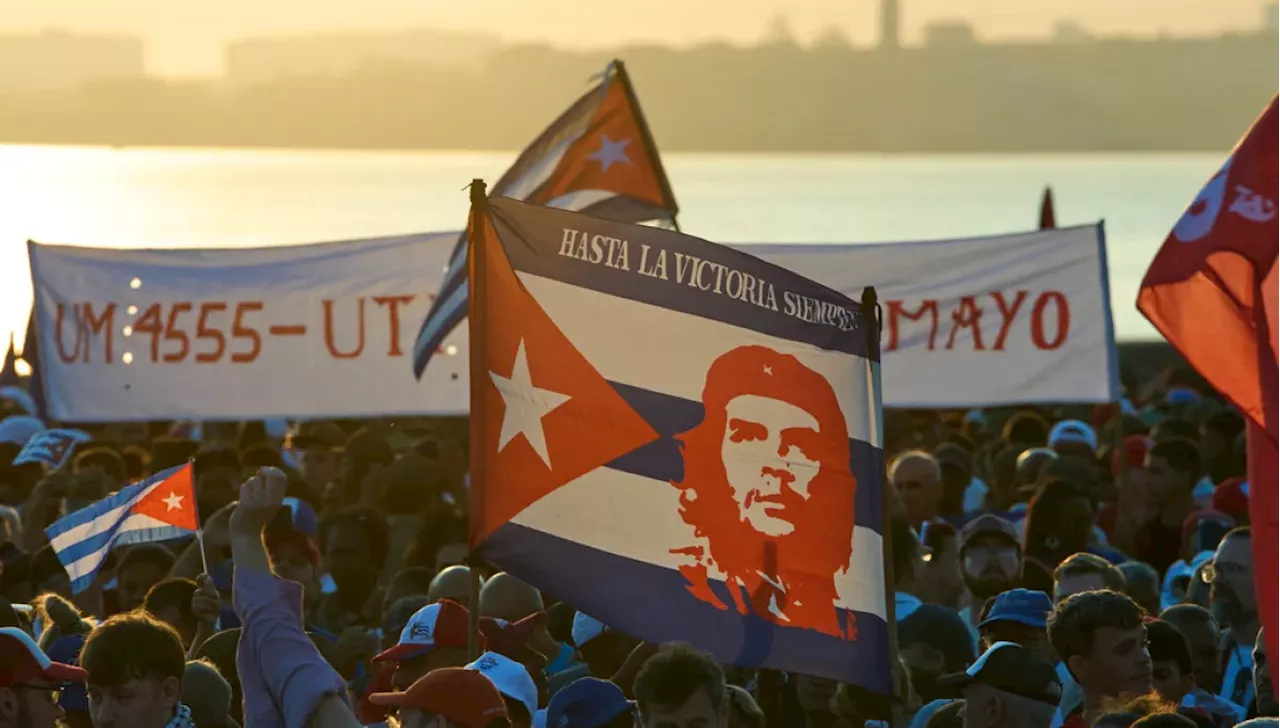
Cuban Foreign Minister Bruno Rodriguez swiftly condemned the sanctions, labeling them “unilateral coercive measures” that amount to “collective punishment on the Cuban people.” He pointed out the symbolic weight of announcing these measures on May 1, the day millions of Cubans typically rally against the decades-old U.S. blockade and economic restrictions.
“It is no coincidence that these measures were announced on May 1, the very day that millions of Cubans take to the streets to denounce the US blockade and the energy siege,” Rodriguez said.
He also accused the United States of hypocrisy, contrasting ongoing domestic unrest in the U.S. with its targeting of Cuban civilians who “are heroically resisting” what the Cuban government calls “U.S. imperialism’s attacks.”
Details of the Sanctions and U.S. Government Claims
The new executive order claims that Cuba’s “policies, practices, and actions” pose an “unusual and extraordinary threat” to the United States’ national security and foreign policy. It further condemns Cuba for actions Washington finds “repugnant to the moral and political values of free and democratic societies.”
These latest sanctions build on previous U.S. measures that have isolated Cuba financially and diplomatically. One critical blow last January 3 came when a U.S. Delta Force operation severed Cuba’s central oil supply, worsening the energy shortages on the island.
President Trump’s administration has repeatedly signaled a tough stance on Cuba, with reports suggesting that Washington may escalate efforts pending the resolution of broader foreign conflicts, including the situation with Iran. The White House views the Cuba regime as a persistent adversary in the Western Hemisphere, heightening its strategic significance.
Economic Crisis Deepens as Sanctions Mount
Havana is currently grappling with an acute economic downturn marked by shortages of fuel, food, and basic goods. The expanded sanctions threaten to exacerbate hardships among the Cuban population, which has already suffered years of economic stagnation intensified by the ongoing U.S. embargo.
For American audiences, especially in Montana and across the U.S., the sanctions represent a continuation of the longstanding U.S. policy aimed at pressuring the Cuban government while sparking debates on their humanitarian impact versus political objectives.
What’s Next?
The international community is watching closely as the sanctions take immediate effect. Cuban leaders have vowed resistance, and U.S. officials maintain these measures are necessary to curb Havana’s influence.
As tensions between Washington and Havana escalate, Montana readers should pay attention to potential ripple effects in regional diplomacy and energy markets, especially if further disruptions hit Cuba’s fragile infrastructure.
This unfolding situation marks a critical chapter in U.S.-Cuba relations, with implications for geopolitics and human rights that remain highly relevant today.