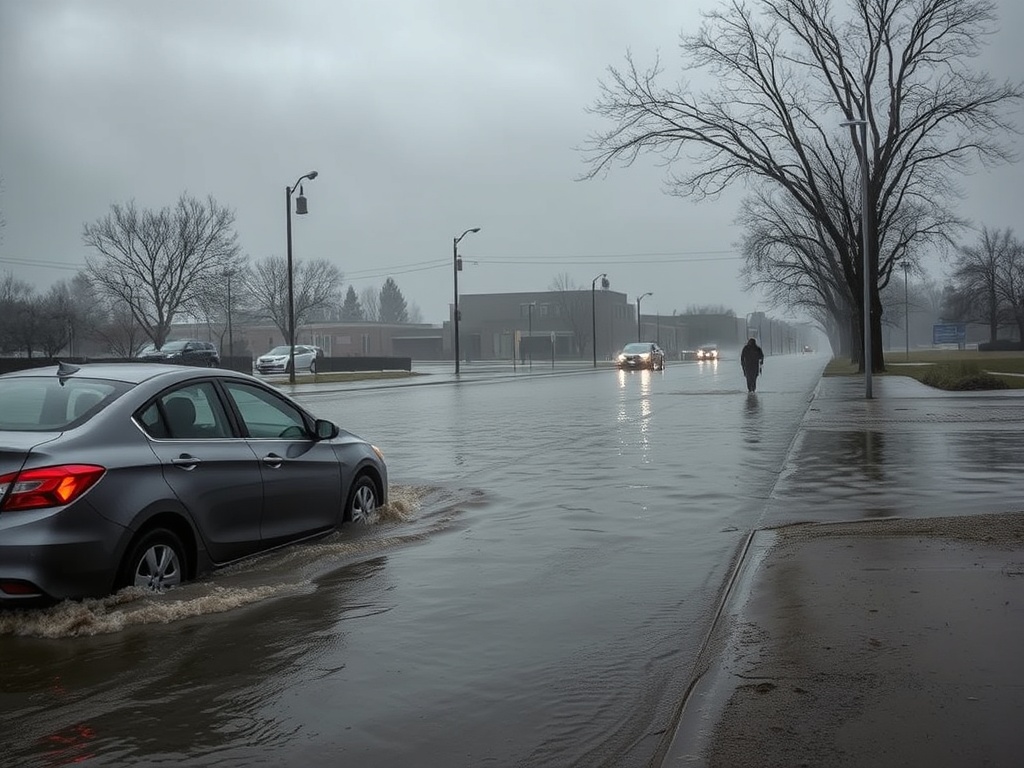
Heavy Rains Flood Denver Tech Center and Close Roads Near South High School
Heavy rains slammed south Denver Tuesday afternoon, flooding streets in the Denver Tech Center (DTC) and forcing multiple road closures around South High School due to dangerous conditions, officials confirmed.
The storm began at around 1 p.m. and quickly overwhelmed local drainage systems, leading to significant water buildup that made roads impassable. The Denver Office of Emergency Management reported rainfall totals exceeded 2 inches in less than three hours, prompting a flash flood warning from the National Weather Service through early evening.
Roads including Yosemite Street, near South High School, saw severe flooding resulting in closures to protect drivers and pedestrians. Denver Department of Transportation spokesperson Maria Lopez said traffic was diverted to other routes, causing delays during the busy afternoon commute.
Emergency Crews Respond to Flood Rescues and Stalled Vehicles
Denver Fire Chief Alan Rodriguez confirmed emergency responders handled multiple calls involving stalled vehicles and water rescues. Crews worked swiftly to assist motorists trapped in floodwaters and clear debris from blocked streets. Officials reported no serious injuries but urged residents to avoid driving through flooded areas.
South High School remained open but restricted outdoor activities to ensure safety. Principal Karen Mitchell stated that access was complicated by flooding in the school’s parking lot near Yale Avenue, advising students and staff to exercise caution traveling to and from campus.
Denver Public Schools spokesperson Jeff Johnson confirmed no class cancellations or delays, while the district remains ready to adjust if conditions worsen.
Infrastructure Stressed as Storm Disrupts Drainage Systems
The storm also disrupted stormwater infrastructure, with some catch basins unable to handle the sudden volume of runoff. Denver Water Department officials dispatched city engineers to clear clogged drains and restore flow.
According to climatologist Dr. Emily Carter of the University of Colorado, this type of intense, short-duration rainfall events has grown more frequent in recent years. Historical data from the National Oceanic and Atmospheric Administration shows Denver has faced major flooding events before, including those in 1965, 1997, and 2013—though Tuesday’s flooding was not as severe.
City Prepares for Recovery and Further Monitoring
The Denver Department of Public Works plans to evaluate the storm’s impact on affected neighborhoods and identify needed repairs and upgrades to stormwater infrastructure. City emergency management remains on high alert as the system moves east, coordinating with utility providers to address ongoing service interruptions.
The National Weather Service forecasts the heavy rain threat will ease by Wednesday morning, but residents in south Denver and nearby areas are urged to stay alert for updates and exercise caution near flood-prone zones.
What This Means for Montana and the US
While this event unfolded in Denver, increasing frequency of severe localized storms is a pattern impacting city infrastructure across the western US, including Montana. Rapid urban flooding threatens traffic safety and emergency resources, underscoring the need for comprehensive water management improvements.
With unpredictable weather patterns growing nationwide, communities from Montana to Colorado face mounting challenges in storm preparedness and response, highlighting the urgency for infrastructure resilience against flash floods.