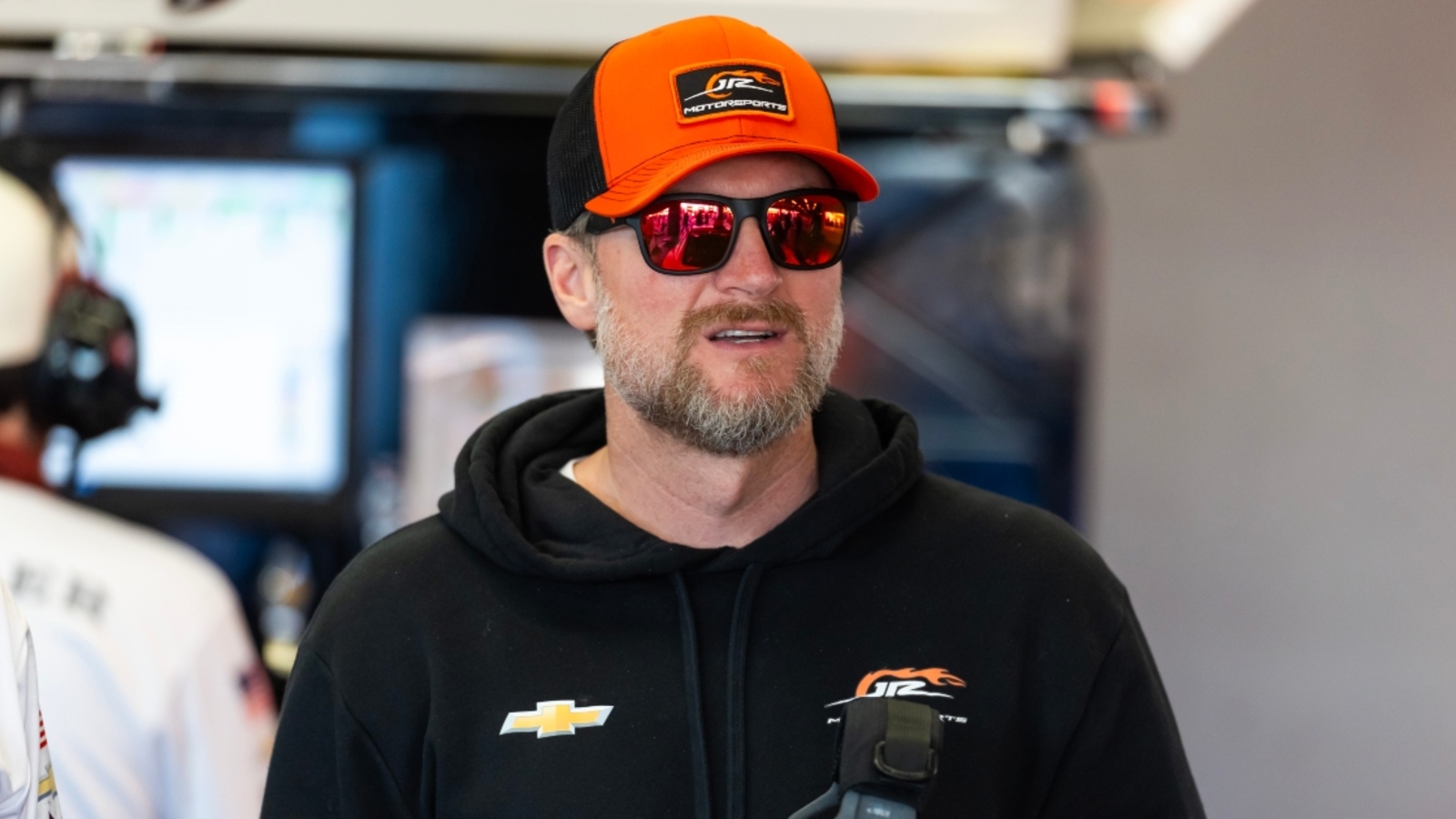
The recent Daytona 500 has sparked a significant discussion regarding fuel-saving strategies employed by drivers in the NASCAR Cup Series. This issue, described by former driver Dale Earnhardt Jr. as an “epidemic,” raises concerns about the competitive integrity of the sport. During a segment of his podcast, “Dale Jr. Download,” he explored potential solutions to this growing concern.
Earnhardt highlighted that there is no easy fix for the fuel-saving dilemma, a sentiment echoed by NASCAR officials. He proposed reinstating points for leading a lap and for leading the most laps, suggesting that these measures could incentivize more aggressive racing. “I don’t know that I have a solution, but here are a couple of things that have changed: we took away the point for leading a lap, and we also took away the bonus points for leading the most laps,” Earnhardt said. “Those are two small, very somewhat insignificant nuggets in the grand scheme of things, but I promise you, if you put anything out in front of these drivers and teams, they will go for it.”
While this change may not resolve the issue entirely, Earnhardt believes it could encourage teams to adopt a more competitive approach throughout the race. He observed that drivers often revert to fuel-saving tactics after leading, which diminishes the excitement of racing.
Challenges with Next Gen Cars
A central issue identified by Earnhardt is the high drag associated with the Next Gen car. This has made overtaking increasingly difficult, with drivers frequently running at half throttle during green flag conditions to conserve fuel. The strategy allows teams to minimize pit stops and maintain track position, but it also leads to frustration among drivers.
“You got the whole field sitting there running 40, 50 percent. Even the guy leading is running 60 percent,” Earnhardt noted. He emphasized that if a driver in the middle of the pack tries to accelerate fully, they cannot easily break away from the pack due to the drag. “If I’m in a pack of cars that are running 60 percent throttle, and I mash the gas 100 percent, I drive away from them. I break the draft and pull away,” he suggested.
Earnhardt mentioned a conversation with driver Denny Hamlin, who reportedly shares his views on the need to reduce drag. By addressing this issue, Earnhardt believes NASCAR could enhance the racing experience by enabling drivers to overtly compete rather than rely on fuel-saving measures.
Driver Sentiments and Future Considerations
The sentiment in the garage is not entirely positive regarding the current state of racing. Driver Ryan Blaney expressed his frustration, stating that the fuel-saving situation is “pretty bad” and needs urgent attention. Despite these concerns, it remains uncertain whether NASCAR will implement changes during the ongoing season, as several crew chiefs have indicated that this fuel-saving strategy may be a fixture of racing for the foreseeable future.
As the season progresses, the discussions initiated by Earnhardt and other drivers will likely continue to shape NASCAR’s approach to fuel-saving policies. The balance between competitive racing and fuel efficiency remains a pivotal challenge for the sport’s future.