Hungarian Prime Minister Viktor Orban has ordered heightened security measures at critical energy infrastructure sites following his assertion that Ukraine is attempting to disrupt Hungary’s energy system. This decision comes amid ongoing tensions and accusations regarding the flow of Russian oil through the Druzhba pipeline, which traverses Ukrainian territory and supplies refineries in Hungary and Slovakia.
Orban’s claims include allegations that the Ukrainian government is deliberately withholding oil deliveries, which he described as “an oil blockade” intended to exert pressure on Hungary. Ukrainian officials have firmly denied these allegations, stating that any disruption in oil deliveries is due to damage from a Russian drone attack.
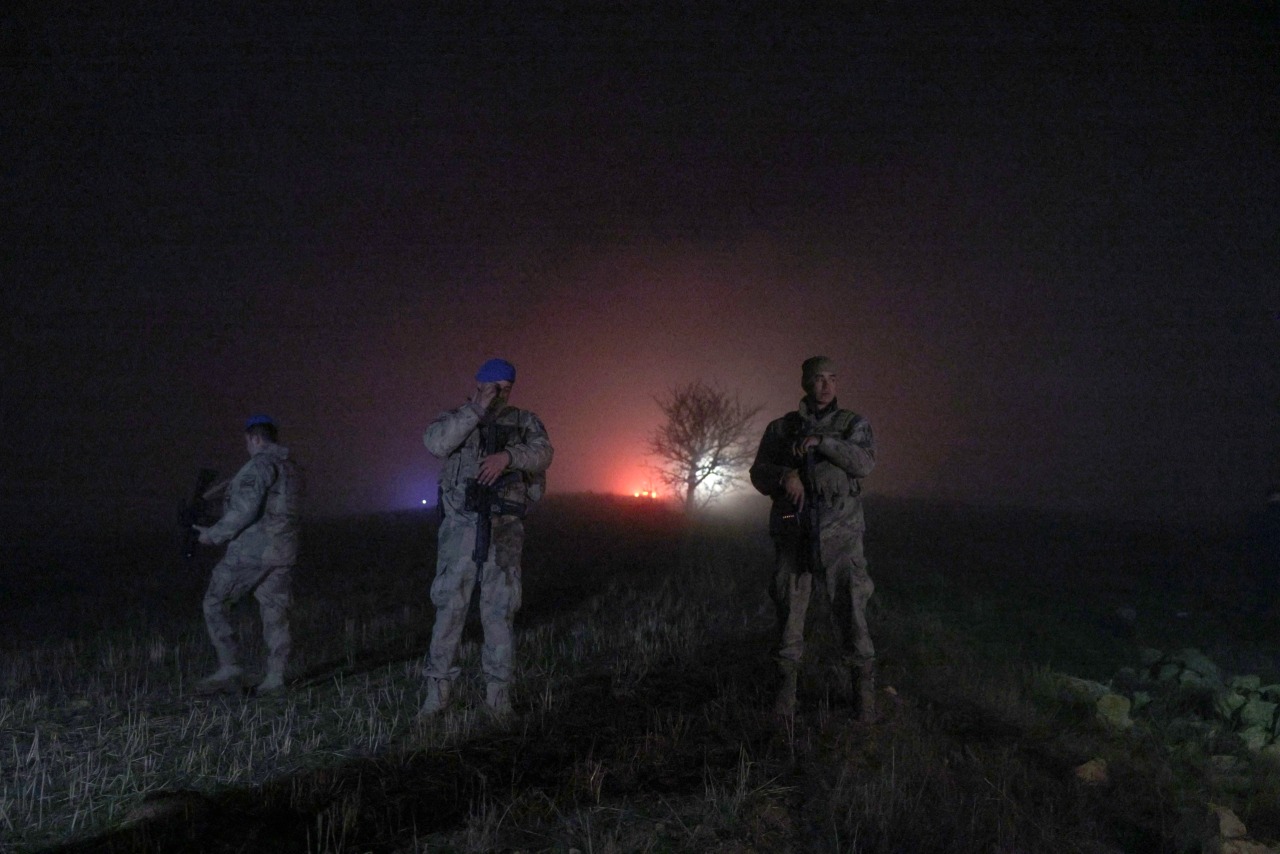
In a video statement posted on social media, Orban emphasized the need for security, declaring, “We will deploy soldiers and the necessary equipment to repel attacks near key energy facilities.” He outlined plans for increased police patrols around designated power plants, distribution stations, and control centers. The lack of evidence supporting his claims has raised eyebrows, but Orban maintains that his government’s actions are essential for national security.
Geopolitical Context and Energy Dependence
Since the onset of the war in Ukraine on February 24, 2022, most European countries have drastically reduced or completely halted imports of Russian energy. Nevertheless, Hungary and Slovakia, both members of the European Union and NATO, have not only continued to receive Russian oil and gas but have also seen increases in supply. Hungary has secured temporary exemptions from EU policies that prohibit imports of Russian oil, which has fueled further scrutiny of its energy dependence.
Compounding the situation, Hungary has threatened to block a substantial €90 billion (approximately $106 billion) EU loan intended for Ukraine. Orban’s government also vetoed a new round of EU sanctions against Russia, asserting that it would obstruct any measures intended to assist Ukraine until the flow of oil shipments resumes.
The Druzhba pipeline has been out of commission since January 27, and Ukrainian officials have reported that repairs are risky. They assert that the pipeline can only operate reliably if Russia ceases its attacks on energy infrastructure.
Domestic Political Implications
Orban’s recent actions and rhetoric appear to be influenced by the upcoming election scheduled for April 12, 2024. He faces a significant challenge from center-right contender Péter Magyar, with most independent polls indicating that his ruling party, Fidesz, is trailing behind. Orban has accused Ukraine of “blackmail” aimed at forcing him to abandon his firm stance against Kyiv, suggesting that rising energy prices could create unrest ahead of the election.
As the longest-serving leader in the EU, Orban has intensified his anti-Ukraine media campaign, framing the situation as an existential threat to Hungary. His party has propagated the narrative that a loss in the upcoming election could lead to Hungary being dragged into the conflict in Ukraine, potentially leading to financial ruin and loss of lives among the youth.
This complex interplay of regional politics and energy security underscores the volatility in Central Europe, as Hungary navigates its reliance on Russian energy while facing international scrutiny over its diplomatic relations with Ukraine.