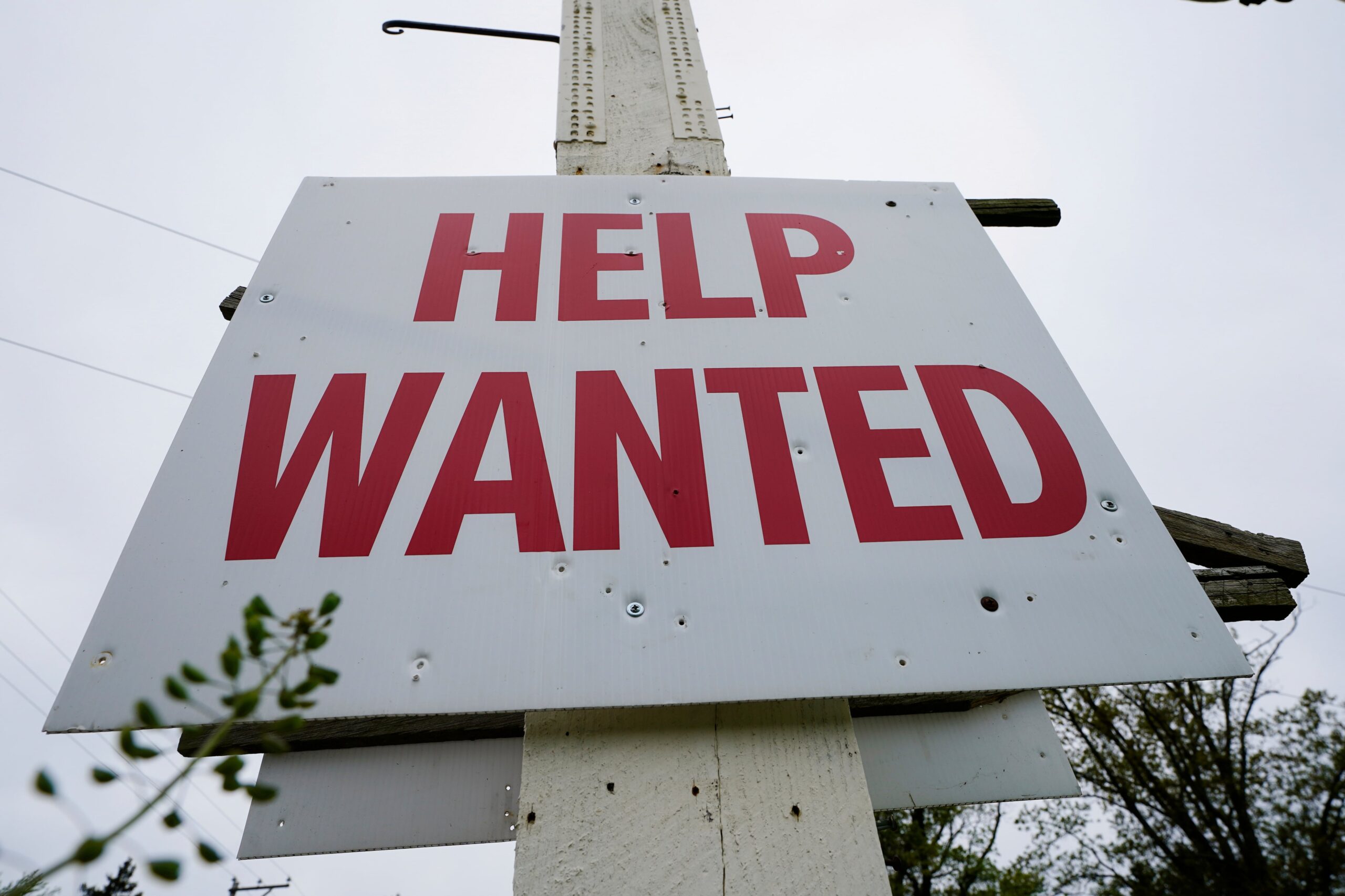
In a stark illustration of the complexities within today’s job market, Nevin Smith, a former journalist, made the difficult decision in 2023 to leave his position at a South Carolina television station. He returned to the Dayton area to spend time with his ailing father, fully aware of the potential risks this choice entailed. Nearly three years later, despite his qualifications and community involvement, Smith continues to face significant challenges in securing employment.
Smith’s situation highlights an underlying issue in the job market. While the national unemployment rate stands at a relatively low 4.3 percent, a deeper analysis reveals troubling statistics. According to an analysis by U.S. Bank, there are approximately one million more job seekers than available jobs. This disparity is particularly pronounced among recent college graduates, who face a staggering 42.5 percent underemployment rate—the highest since 2000, as reported by the Federal Reserve Bank of New York.
Graduates in communications, like Smith, are among those most affected, as noted by Forbes. Smith holds a degree in Mass Communication from Wright State University, and despite his educational background, he struggles to find opportunities. The challenges are compounded by the fact that one in four unemployed individuals has been out of work for at least six months, a period that classifies them as long-term unemployed. This group faces an uphill battle; analysts, including Chip Lupo from WalletHub, indicate that only about 11 percent of those experiencing long-term unemployment will secure steady full-time employment within a year.
Lupo describes the current labor market as “stable but stagnant.” The average job opening receives around 250 resumes, yet only two percent of applicants are granted an interview, according to data from Novoresume. This bottleneck creates immense frustration for job seekers like Smith, who have revised their resumes, attended networking events, and sought professional advice, yet remain in a state of limbo.
The narrative that unemployed individuals should simply accept any available job, whether in retail or fast food, overlooks the nuances of the situation. Employers may hesitate to invest in training those they believe will leave for more desirable positions as soon as they arise. Lupo explains, “You invest all this money in people, and then you wind up eating the cost when they leave.”
As technology, including artificial intelligence, continues to evolve, the labor market is projected to face even greater disruptions. The Bureau of Labor Statistics forecasts the addition of over five million jobs by 2034, primarily in health professions that address the needs of an aging population. Conversely, roles such as data entry specialists and paralegals are expected to see significant declines.
Smith’s personal journey reflects a larger trend. He and his fiancée have postponed plans for marriage, purchasing a home, and starting a family until he secures employment. His story resonates with many who find themselves in similar circumstances, feeling stuck despite their efforts.
“It’s frustrating because I just want to live,” Smith expressed. “I want to get that prosperity. I want to work hard for it. And I feel like I’m spinning my wheels and twiddling my thumbs.” While he does not regret leaving his job to care for his father, who passed away in 2023, he acknowledges the gamble that came with that decision. “I was worried that, taking this on and doing the right thing for my father, it would eventually come and bite me. And it definitely has,” he said.
Smith’s experience serves as a reminder that beneath the surface of a seemingly robust job market lies a reality fraught with challenges for many individuals. As the economy shifts and the dynamics of employment evolve, the stories of those like Nevin Smith become increasingly important to understand the broader implications for job seekers everywhere.