The United States maintains a formidable presence in global military aviation, boasting one of the largest and most technologically advanced strategic bomber fleets in the world. Under the auspices of the Air Force Global Strike Command, the U.S. Air Force operates approximately 130 bombers, a number that, while smaller than the fleet of the Chinese Air Force, demonstrates superior technological capabilities. This article examines the four largest air force bases in the U.S. that house these strategic bombers, highlighting their unique roles and ongoing transformations in an evolving military landscape.
Whiteman Air Force Base: Home of the B-2 Spirit
Located in Missouri, Whiteman Air Force Base is the sole operational base for the B-2 Spirit, hosting a fleet of 19 bombers. The base is operated by the 509th Bomb Wing and the 131st Bomb Wing of the Missouri Air National Guard. Historically, Whiteman served as a major base for the Minuteman II Intercontinental Ballistic Missile program until its deactivation in the early 1990s, a shift prompted by the 1991 Strategic Arms Reduction Treaty.
Whiteman is slated to become the second operational base for the upcoming B-21 Raider stealth bomber. An Air Force report indicated that the base would see an increase in personnel from 19,408 to 20,429 as it prepares for the arrival of the new aircraft, with an estimated annual rise in airfield operations from 29,771 to 31,751 once the transition is complete. The first operational B-2 arrived in 1993, marking the beginning of a new era in stealth aviation.
Ellsworth Air Force Base: Transitioning to the B-21 Raider
Situated near Rapid City, South Dakota, Ellsworth Air Force Base is currently home to the 28th Bomb Wing and will soon become the first operational base for the B-21 Raider. Ellsworth currently operates two of the B-1B Lancer squadrons, the 34th Bomb Squadron and the 37th Bomb Squadron. The base also features the largest training airspace in the continental U.S., covering four states, which allows for vital practice in low-level maneuvers.
Ellsworth is undergoing a transformation exceeding $1.5 billion to accommodate the B-21 fleet. Dale White, the Director of Critical Major Weapon Systems at the Pentagon, stated that the U.S. military is “responsibly accelerating delivery of a critical, combat-effective capability.” The first operational B-21 is expected to arrive in 2027, with the phased retirement of the B-1B Lancers beginning in 2028.
Dyess Air Force Base: A Hub for Training and Operations
In Abilene, Texas, Dyess Air Force Base houses approximately 33 B-1B Lancer aircraft, operated by the 7th Bomb Wing. Dyess serves as the formal training unit for all B-1B aircrews in the U.S. Air Force and has been selected as the third main operating base for the B-21. The arrival of the new bombers will reintroduce nuclear capabilities at Dyess for the first time since the 1990s.
Work has commenced on facilities for the B-21, with groundbreaking for a mission planning facility scheduled for 2026. Dyess plays a critical role in U.S. military operations and is also the largest employer in the Abilene area, contributing over $3.6 billion annually to the local economy. The base is currently engaged in over 20 major infrastructure projects to support the unique requirements of the sixth-generation stealth bomber.
Barksdale Air Force Base: The B-52 Hub
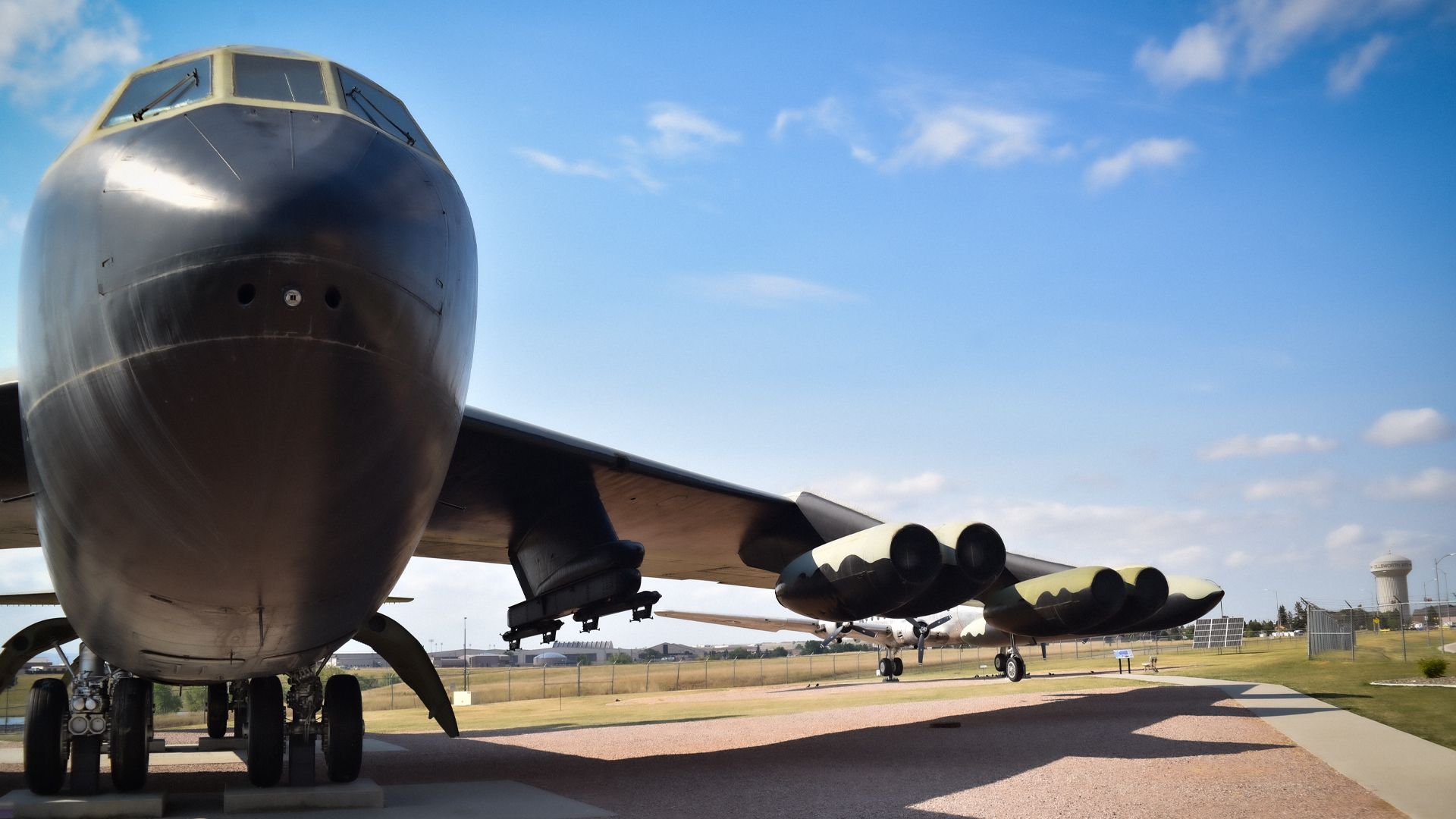
Located in Louisiana, Barksdale Air Force Base is home to the 2nd Bomb Wing, operating around 44 B-52H Stratofortress aircraft, colloquially known as “BUFFs.” Additionally, the 307th Bomb Wing, a reserve unit, operates another 18 to 20 B-52Hs. Barksdale serves as the permanent headquarters for AFGSC, overseeing all major bomber wings, including the B-1, B-2, B-52, and B-21.
As part of the ongoing modernization efforts, the B-52 is undergoing significant upgrades, including the installation of Rolls-Royce engines and digital cockpit systems. Michael Maginness, Commander of the 2nd Bomb Wing, emphasized that the B-52 continues to serve as a strong symbol of U.S. support for allies. The upgraded B-52J will feature advanced systems for target tracking and mapping, enhancing its operational effectiveness.
The strategic importance of these four bases cannot be overstated as they adapt to new technologies and evolving military strategies. The U.S. Air Force’s focus on enhancing its bomber fleet through the introduction of next-generation aircraft like the B-21 Raider signifies a significant shift in its approach to long-range strike capabilities, ensuring readiness to meet future challenges in global security.