The ongoing conflict between the United States and Iran raises critical questions regarding its objectives, potential success, and associated costs. With escalating tensions, the U.S. government is navigating a complex landscape that involves military engagement, diplomatic negotiations, and regional stability.
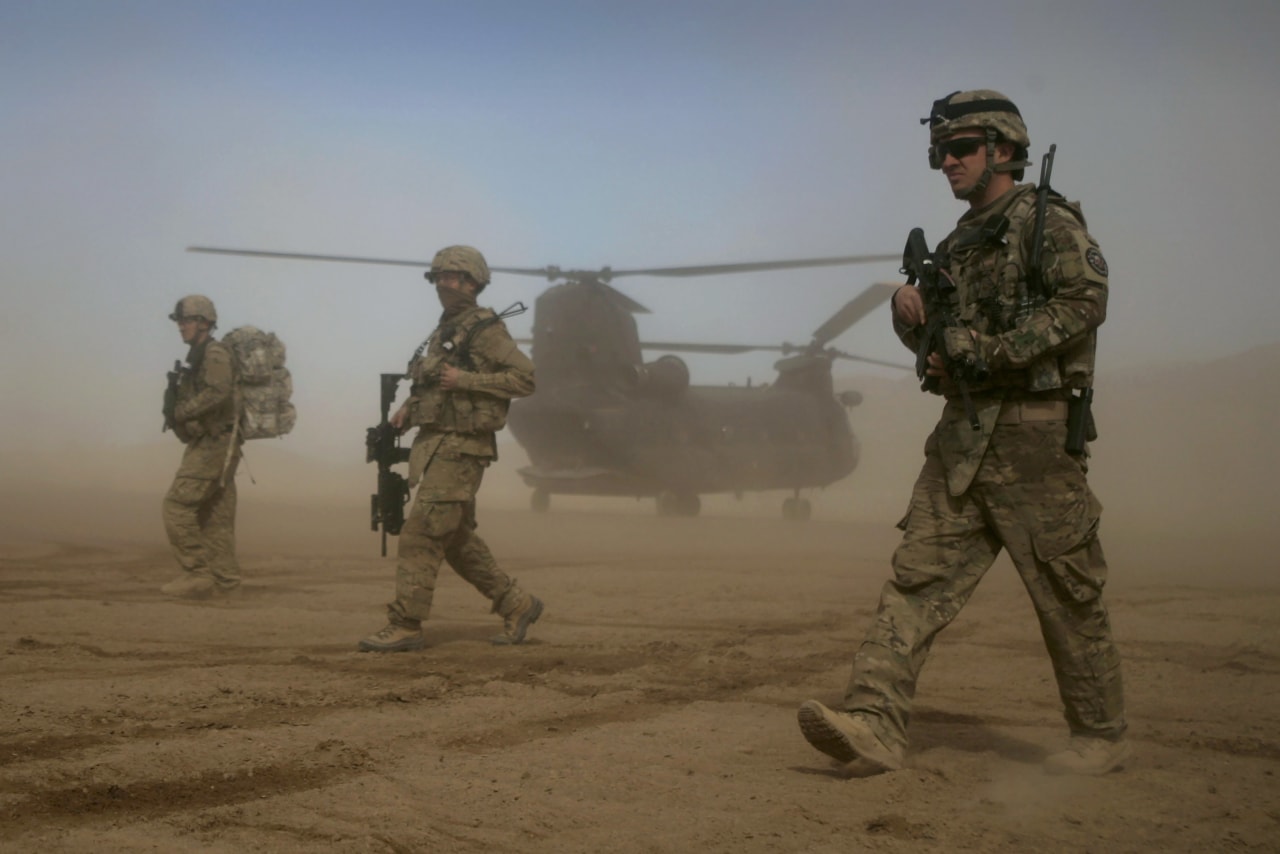
In recent discussions, U.S. officials have outlined the strategic goals of their involvement in the region. One primary objective is to counter the influence of the Iranian Revolutionary Guard Corps (IRGC), which is viewed as a significant threat to both American interests and allies in the Middle East. The conflict has drawn attention to the Gulf of Oman, where U.S. military assets are increasingly deployed to deter Iranian provocations.
Defining Success and Objectives
The definition of success in this conflict remains ambiguous. According to Secretary of State Antony Blinken, the U.S. aims to ensure the safety of maritime navigation and protect regional partners from Iranian aggression. However, achieving this will require a multifaceted approach that combines military readiness with diplomatic efforts.
President Joe Biden has emphasized the importance of coalition-building, engaging allies to present a united front against Iranian expansionism. This collaborative strategy seeks to not only address immediate security concerns but also foster long-term stability in the region.
Despite these objectives, the question of what constitutes success is complex. Military victories may not translate into lasting peace, and the U.S. must consider the implications of its actions on the ground. The potential for further escalation remains high, particularly as Iran continues to develop its military capabilities.
Evaluating Costs and Consequences
Financially, the costs of military engagement can be significant. Reports indicate that the U.S. military has already allocated substantial resources for operations in the region. In July 2023, estimates suggested that the ongoing conflict could lead to expenditures exceeding $1 billion by the end of the fiscal year.
These financial burdens extend beyond direct military costs. There are also implications for U.S. foreign policy and its relationships with other nations. Congressional approval for further military actions will require transparent communication about the objectives and anticipated outcomes of the conflict.
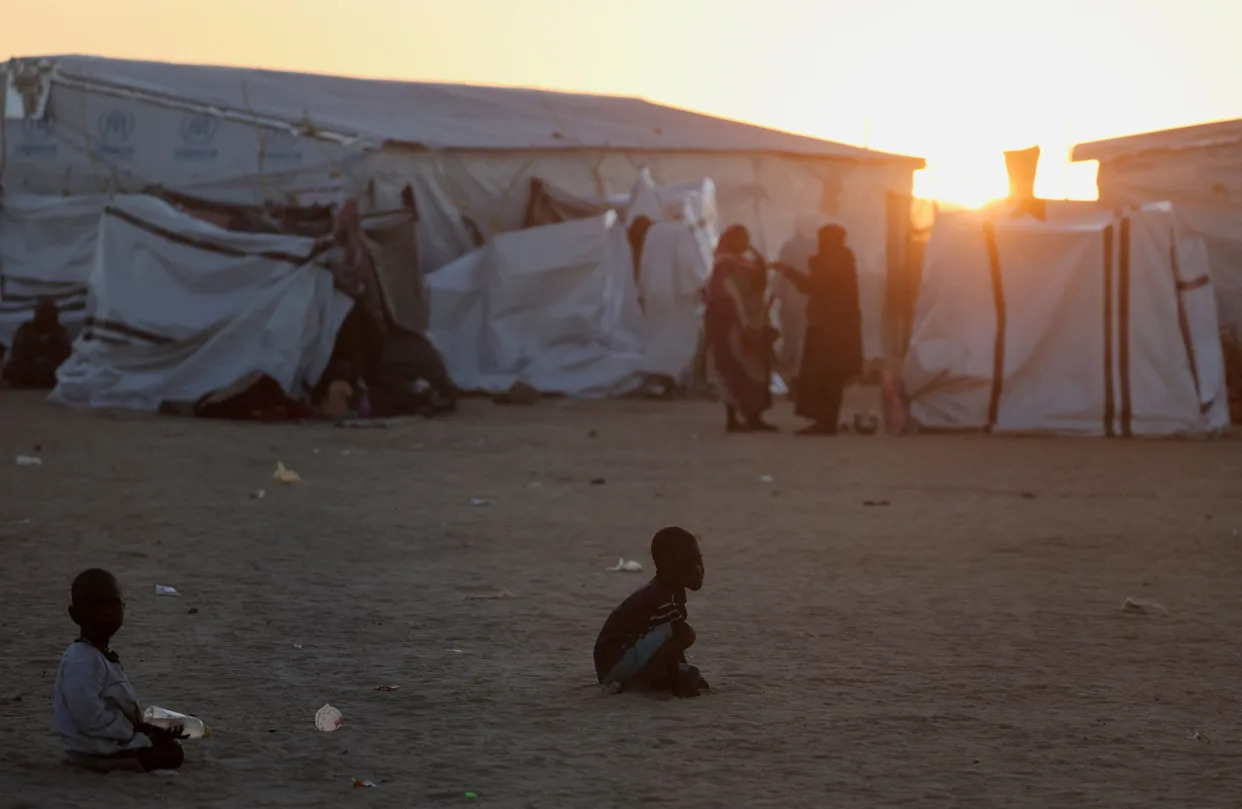
The humanitarian costs are also a critical consideration. Civilian populations in Iran and surrounding areas face the repercussions of military actions, which can lead to significant loss of life and displacement. The U.S. must navigate these ethical considerations as it formulates its strategy.
In conclusion, America’s involvement in the Iran conflict presents a challenging landscape filled with uncertainty. As the U.S. government grapples with defining success, it must weigh the costs—both financial and humanitarian—while seeking to achieve its strategic objectives. How these factors will shape the future of U.S.-Iran relations remains to be seen, as both nations continue to navigate this complex geopolitical environment.