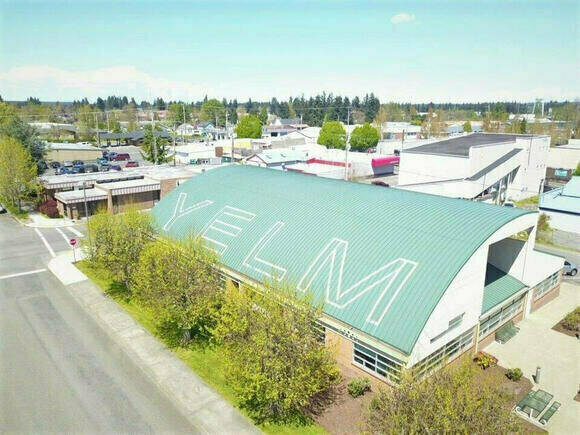
Yelm Moves to End Animal Sales on Public and Open Private Property
The City of Yelm has intensified efforts to eradicate backyard animal sales within city limits, approving updated regulations that impose escalating fines and possible arrests for repeat offenders. This crackdown targets the sale, display, or barter of animals on any public property or private property open to the public inside Yelm.
During a recent Yelm City Council meeting, officials unanimously approved changes to Yelm Municipal Code chapter 6.08, which governs animal regulation. The updated ordinance now explicitly prohibits anyone from selling or advertising animals in public spaces or accessible private parcels, including streets, sidewalks, parking lots, and empty lots.
Chris Vaccaro, Yelm’s building official, highlighted that while the ban itself is not new, the critical addition is the legal framework for penalizing those who repeatedly violate the rule. “The first violation results in a warning, the second carries a fine, and by the third, offenders could face higher fines or even arrest,” Vaccaro said.
Clear Boundaries and Exceptions
The law divides property into two key categories: public property, such as city-owned land, streets, and alleys, and private property open to the public like parking lots or sidewalks. The ordinance clarifies that these sales restrictions do not apply to sales on private property not open to the public, registered pet shops, kennels, or nonprofit animal welfare organizations such as humane societies.
Councilor Tracey Wood sought specifics on enforcement and was told the city particularly targets roadside animal sales, which often occur on or near private property owned by others. This practice concerns Yelm officials due to its potential impact on animal welfare and neighborhood safety.
Additional Amendments on Animal Holding and Microchipping
The council also approved two amendments to the existing municipal code sections related to animal holding times and microchip requirements. Councilor Stephanie Kangiser prompted changes to clarify the hold period for animals brought into city control, setting it uniformly at 48 hours. Additionally, the council removed language mandating microchip implantation, explaining that the city does not currently enforce this requirement.
Vaccaro confirmed these amendments aim to simplify enforcement and ensure regulations are practical and clear for residents and city officials alike.
Impact and Next Steps
Yelm’s updated animal sales ordinance sends a strong message to backyard breeders and unauthorized sellers operating within city limits. Officials believe this will reduce public animal sales that often lack oversight, helping to safeguard animal welfare and public safety.
The city plans to monitor the ordinance’s implementation closely and revisit aspects of the code such as the hold period to ensure consistency and effectiveness in upcoming sessions.
Residents can view the full municipal code online at https://tinyurl.com/YelmCodeAnimals for detailed information about the updated animal regulations.
This ordinance update in Yelm adds to a growing trend across U.S. municipalities confronting unregulated animal sales that often involve unethical breeding and consumer risks, aligning with broader efforts to improve animal welfare nationwide.