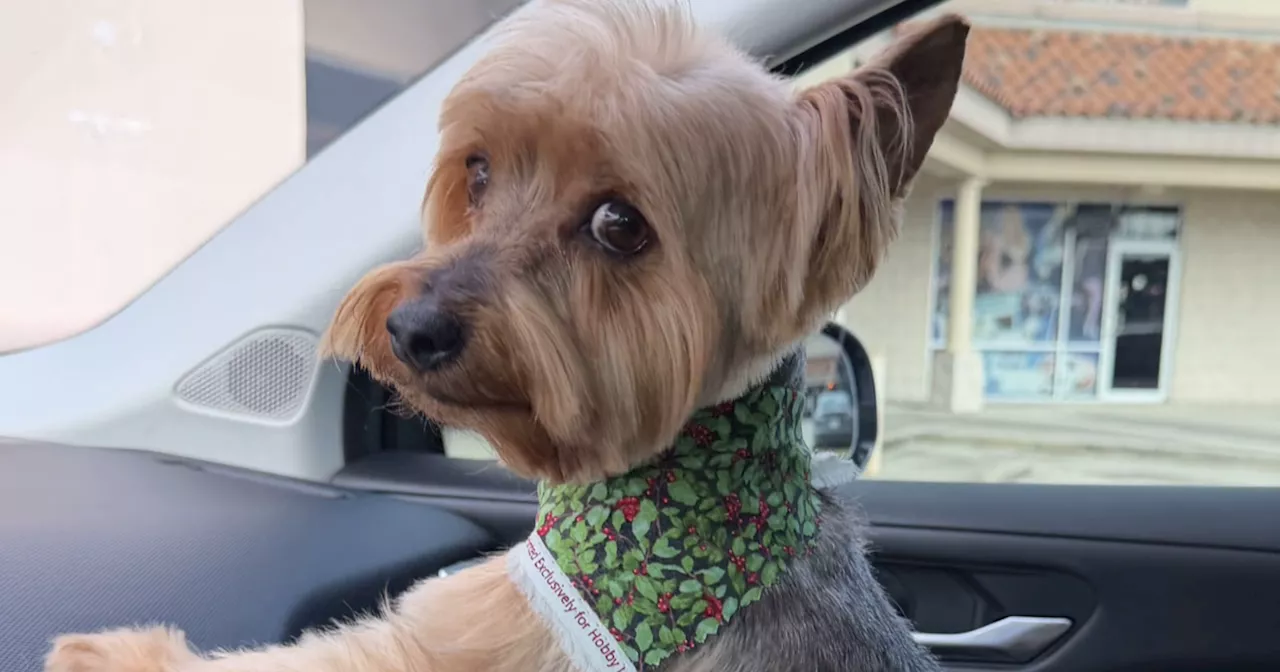
A Houston-area woman has reunited with her beloved Yorkie Bash after a harrowing week-long search that ended with her dog found trapped in a sewer pipe, all thanks to a microchip that saved the day. The emotional recovery comes amid warnings about ruthless scammers who targeted her during the ordeal.
Alicia Duke, desperately searching for Bash after he ran away near Fulton near Quitman, used every available tool, including social media and flyers, to locate the missing pet. Her efforts, featured in an Only on FOX report on April 22, sparked widespread attention but also attracted scam attempts.
Scammers contacted Alicia claiming they had Bash or promising to return him—for a high fee—or insisting the dog required emergency medical treatment. “I’m tech-savvy enough to see through these scams,” Alicia said, “but many others, especially seniors, might fall victim.” She felt compelled to alert the public to these exploitative tactics.
Six days after the report aired, a breakthrough came. A woman spotted Bash trapped in a dark sewer pipe and immediately took him to the vet, who scanned him for a microchip. The chip contained Alicia’s contact information, making the reunion possible.
Bash may have spent three days surviving underground, but Alicia says he’s now safe and recovering. The microchip, she emphasizes, was the crucial lifeline that saved her dog—and could do the same for millions of pet owners nationwide.
Microchips: The Life-Saving Tech Too Many Ignore
This case underscores the urgency for pet owners everywhere—including in Montana—to ensure their furry friends are microchipped and that their contact details are current. Losing a pet is traumatic, but scammers exploiting distraught families adds a horrifying new layer.
“Scammers are becoming more brazen, using false emergencies and ransom demands to exploit vulnerable people,” experts warn. “Verifying a pet’s identity through a microchip remains the most reliable tool for recovery and safety.”
What Pet Owners Must Do Now
Veterinarians and animal welfare organizations across the United States continue urging microchipping and rapid reporting of lost pets. Social media remains a powerful tool for public help—but as Alicia’s experience shows, it also opens doors to scammers.
For residents in Montana, where pets often roam rural or wild areas, the stakes for speedy recovery are high. Wildlife, weather, and remote terrain can put lost animals in grave danger. A microchip can mean the difference between reunion and heartbreak.
Animal control and shelters recommend immediate vet visits and scans for any found pets. They also advise against paying anyone claiming to have a pet without verifiable proof, such as a microchip scan or official shelter involvement.
Looking Ahead
Alicia Duke’s story is a powerful reminder to act now—for pet safety and security amid rising scams. Her quick thinking combined with microchip technology not only reunited a family but exposed a growing threat against vulnerable pet owners nationwide.
As she celebrates Bash’s return, Alicia calls on all pet owners to microchip their animals and keep their information updated—so no family has to endure the uncertainty and fear she faced this past week.
“It was the microchip that made all the difference,” Alicia said, urging others not to wait until it’s too late.