Taiwan President Defies China’s Pressure with Landmark Africa Visit
Taiwan President Lai Ching-te just returned from a rare and politically charged visit to Eswatini, Taipei’s last remaining ally in Africa, after China reportedly launched intense diplomacy and economic pressure to block his trip. Lai’s return and defiant statement mark a significant pushback against Beijing’s efforts to isolate Taiwan on the world stage.
Landing back at Taipei Taoyuan International Airport on May 5, Lai declared that Taiwan has the undeniable “right to engage with the world” amid attempts to derail the June trip. The president blasted China’s tactics as oppressive but vowed Taiwan will not “shrink back because of suppression.”
Lai’s Africa journey was originally scheduled for April 22-26, timed to celebrate the 40th anniversary of King Mswati III’s accession and his 58th birthday. However, the trip was delayed after China reportedly pressured multiple African countries, including Seychelles, Mauritius, and Madagascar, to revoke crucial overflight permits. Taipei officials accused Beijing of threatening to revoke debt relief, halt financing, and impose economic sanctions on these nations if they allowed Lai’s passage.
Lai’s Bold Arrival on King’s Plane Underscores Deep Ties
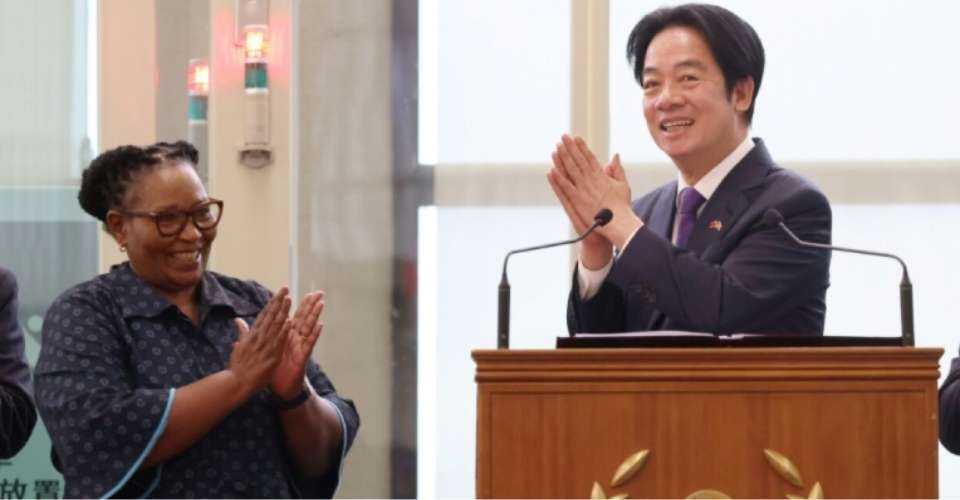
On May 2, Lai flew into Eswatini on King Mswati III’s own aircraft, a highly symbolic gesture cementing the tight relationship between the two governments. He was accompanied by Eswatini Deputy Prime Minister Thulisile Dladla, who traveled with the Taiwanese delegation to Taipei afterward, underscoring the alliance’s strength despite Beijing’s pressure.
Lai Ching-te: “Mutual visits between heads of state should be the most ordinary thing, just like when we go out to visit friends, and are a basic right of every country.”
The visit also came after Taiwan’s Foreign Minister Lin Chia-lung stepped in to represent Taiwan during the delayed April period, highlighting the diplomatic strain caused by China’s actions.
US Denounces Chinese Intimidation—Beijing Fires Back
The United States criticized China’s maneuver as a clear “intimidation campaign” aiming to marginalize Taiwan’s global presence. Washington’s response signals continued US support for Taiwan’s right to international engagement amid rising tensions in the Indo-Pacific region.
China’s foreign ministry dismissed these claims as “baseless accusations,” and labeled Lai’s journey a “stowaway-style escape farce,” mocking the Taiwanese leader and claiming it undermined his credibility on the global stage.
Why This Matters to US and Global Audiences
Lai’s trip is a flashpoint in the ongoing struggle over Taiwan’s international identity and China’s increasing efforts to isolate the island. For the US and its allies, Taiwan represents a key democratic partner and a democratic beacon in Asia. China’s coercion of small African nations to block Taiwan’s transit highlights the expanding global reach of Beijing’s political pressure.
For Montana readers and Americans following global geopolitics, this development underscores escalating tensions between China and democratic nations seeking to uphold Taiwan’s sovereignty and global participation. The US condemnation of China’s tactics reflects the broader strategic competition unfolding across continents.
What’s Next
Observers will watch closely how China continues its diplomatic push against Taiwan and whether more countries face economic coercion. Taiwan’s government is expected to pursue further trips and deepen ties with allied nations despite China’s aggressive tactics.
The visit also raises questions about how US policymakers will respond to China’s pressure campaigns in Africa and beyond, balancing economic interests with commitments to democracy and international norms.
Taiwanese President Lai Ching-te’s triumphant return signals that despite growing global pressure from Beijing, Taiwan remains determined to assert its rightful place in international affairs and maintain its global relationships, making this a critical story in ongoing geopolitical dynamics in 2026.