Prosecutors Demand Suspect Held Without Bond in Chilling USF Double Homicide
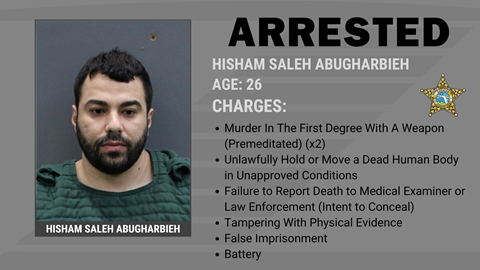
HILLSBOROUGH COUNTY — Authorities have laid out a disturbing timeline of purchases, forensic clues, and digital traces as they press to hold a man without bond in connection with the suspected killings of two University of South Florida doctoral students, Zamil Limon and Nahida Bristy.
A motion filed by prosecutors details what they describe as extensive, deliberate efforts to plan the murders, clean the crime scene, and conceal key evidence after the victims disappeared on April 16, 2026. The State argues the suspect poses a severe danger and should remain in custody as the investigation unfolds.
Forensic Evidence Reveals Brutal Crime Scene Cleanup
Investigators traced a series of purchases linked to the suspect, including cleaning products like Lysol wipes, Febreze, and body wash ordered and collected from a CVS the very night the students vanished. Additional evidence recovered from the suspect’s apartment complex dumpster included heavy-duty black trash bags, fire starter materials, charcoal, lighter fluid, and duct tape. Many discarded items tested presumptively positive for blood, including clothing, socks, slides, and a floor mat.
Inside the suspect’s apartment, significant blood detection spanned the hallway, kitchen, and bedroom—coupled with smearing patterns consistent with attempts to scrub away crucial traces of a violent crime. Similar heavy-duty trash bags were also found inside the suspect’s residence.
Digital Searches Reveal Dark Planning on Disposal and Firearms
The State highlights the suspect’s troubling digital footprint, including online searches about what happens if bodies are placed in garbage bags and discarded in dumpsters, as well as queries about cleaning cars and obtaining firearms legally. Location-based searches aligned with areas where evidence was later found.
Vehicle and Phone Data Tracks Movements Linked to Crime
Prosecutors say phone and vehicle data place the suspect traveling between the apartment complex, Tampa, and Clearwater during critical timeframes. Surveillance footage and license plate readers captured the suspect’s vehicle along routes including Fletcher Avenue, the Courtney Campbell Causeway, and Clearwater Beach.
Notably, one victim’s phone signal followed a similar route before going dark, while a figure resembling the suspect was captured in the Sand Key area. Human remains of one victim were found near the Howard Frankland Bridge inside multiple trash bags, and an autopsy confirmed homicide caused by multiple sharp force injuries.
Second Victim’s Body Still Missing; Remains Discovered in Pinellas County
The second victim has not yet been located, but prosecutors cite blood evidence and discarded items as proof of her death. Recently recovered human remains near I-275 and 4th Street N are under examination by the Pinellas County Medical Examiner’s Office, with positive identification still pending.
Prosecutors Argue Suspect Represents Clear Danger
Based on the totality of evidence—ranging from physical proof to digital searches—prosecutors contend the suspect used a bladed weapon for the killings and made extensive efforts to conceal his crimes with pre-purchased cleaning and disposal materials. They claim no release conditions could guarantee public safety or the court’s integrity.
“The suspect’s behavior shows a clear intent to evade justice through concealment and cleanup,” prosecutors wrote in their motion seeking pretrial detention without bond.
The court will decide if the suspect remains in custody without bond as legal proceedings continue. This case sends shockwaves nationwide, spotlighting the use of forensic and digital evidence in holding violent offenders accountable.
Why This Matters to Montana and the Nation
Though the case unfolded in Florida, the chilling nature of dual homicide investigations emphasizing detailed digital footprints, forensic science, and swift law enforcement action holds vital implications for Montana and American communities at large. It underscores the growing role of technology and forensic evidence in securing justice — and the urgent need to ensure suspects posing threats remain detained while facing trial.
Montana Insider will update readers as this high-profile case develops, reflecting ongoing advances in investigative tactics essential across the country.