Colorado lawmakers are advancing House Bill 1308, aiming to address the escalating affordable housing crisis by allowing one residential lot to be split into two homes where appropriate. The bill promises to unlock new homeownership opportunities without altering neighborhood character, a measure that experts and residents say could become a blueprint for other states, including Montana, struggling with rising housing costs.
Jesselina Cordova, a homeowner in Denver’s Cole neighborhood, urges swift legislative approval, highlighting how Habitat Metro Denver’s model for attainable homeownership has kept residents anchored in their communities despite soaring costs. “I urge legislators to vote yes on HB 1308 and support more opportunities for attainable homeownership for people like me,” Cordova said, emphasizing the urgent need for pragmatic land-use reform.
Doubling Housing Production Through Lot Splitting
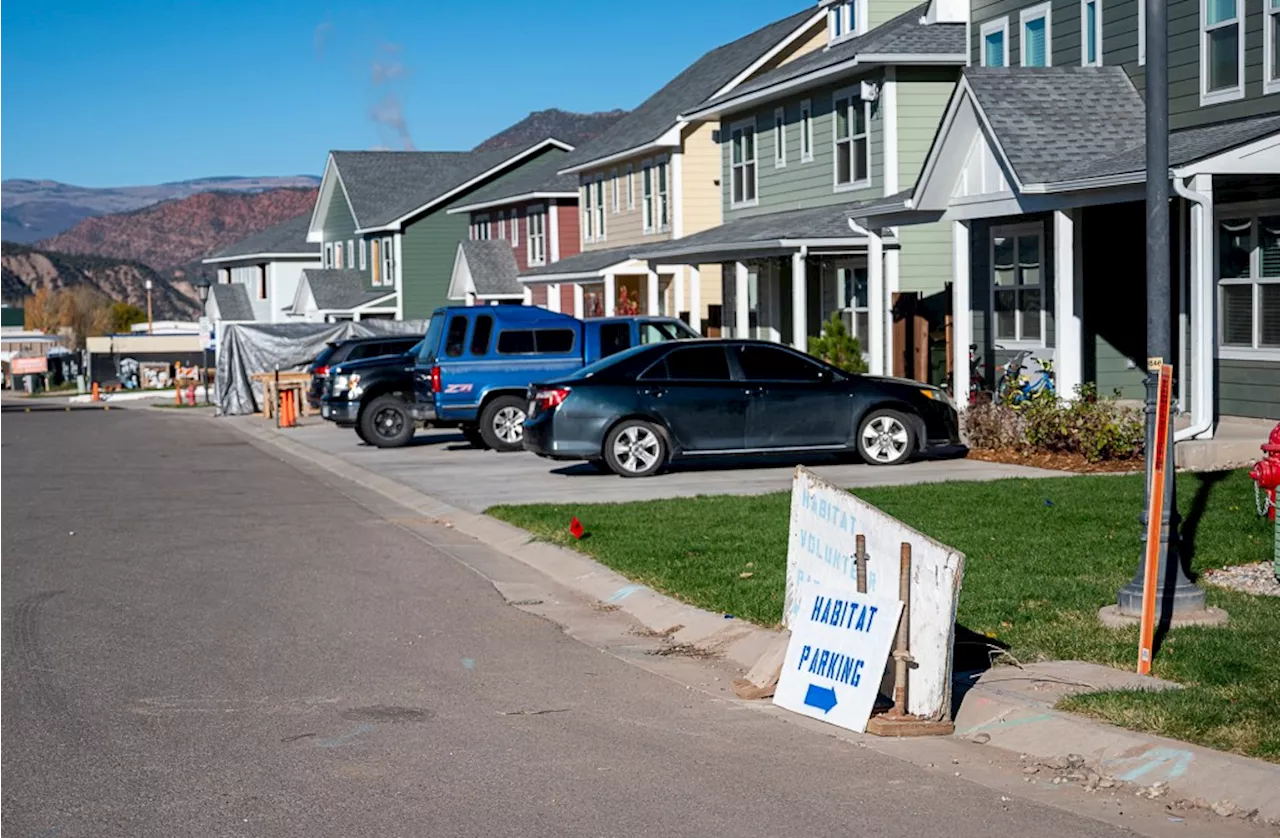
Habitat for Humanity Vail Valley serves as a pioneering example, doubling its home builds post-pandemic from 20 units between 2019 and 2021 to 40 units expected between 2022 and 2024. These were achieved by building on smaller, split lots, a strategy HB 1308 plans to expand statewide.
The bill would reduce land acquisition costs and scale affordable homes without altering zoning regulations— a key issue that has historically delayed or inflated expenses for affordable housing projects. The approach leverages existing residential land more efficiently, an idea gaining traction as housing supply tightens nationwide.
Why HB 1308 Matters Now
The bill arrives as many families worry about their children’s ability to buy homes nearby, parents’ options to downsize, and the forced displacement of long-term residents due to rising prices. Stable homeownership brings predictability to communities, reinforcing social ties and economic mobility.
Experts note that policies like HB 1308 can also help Montana, where urban and rural areas alike face housing shortages and affordability barriers tied to rising land prices and outdated zoning rules.
“Stable homeownership brings predictability and stability for communities,” said Cordova, underscoring the human impact behind the legislation.
Implications for Montana and Beyond
While the bill is Colorado-specific, Montana insiders and housing advocates are watching closely. States across the West, including Montana, have struggled with balancing growth, affordability, and community preservation. Land-use reforms that preserve neighborhood character while increasing housing supply can become critical tools amid a national affordable housing crunch.
As remote work reshapes how Americans live and commute—lessening dependence on extensive parking and car-centric infrastructure—HB 1308’s support for smaller, more affordable homes aligns with changing lifestyles and transit dynamics. Residents in Denver’s Front Range are already reimagining neighborhoods with more balanced transit and community hubs.
What’s Next?
The Colorado legislature’s vote on HB 1308 is imminent. If passed, it will set a precedent for flexible land use to tackle affordability—prompting similar conversations in Montana’s state capital and other growing cities.
Stay tuned as Montana Insider tracks how this bill’s progress affects statewide housing debates and potential policy responses.