Humanity Faces Existential Challenges While NASA Launches Ambitious Moon Base Project
Recent scientific reports reveal alarming challenges to humanity’s survival, with a top physicist warning of slim chances to endure the next 50 years amid unresolved cosmic mysteries. Meanwhile, NASA charges ahead with a stunning $20 billion lunar base program and plans for nuclear-powered space travel, signaling a new era of exploration even as global risks mount.
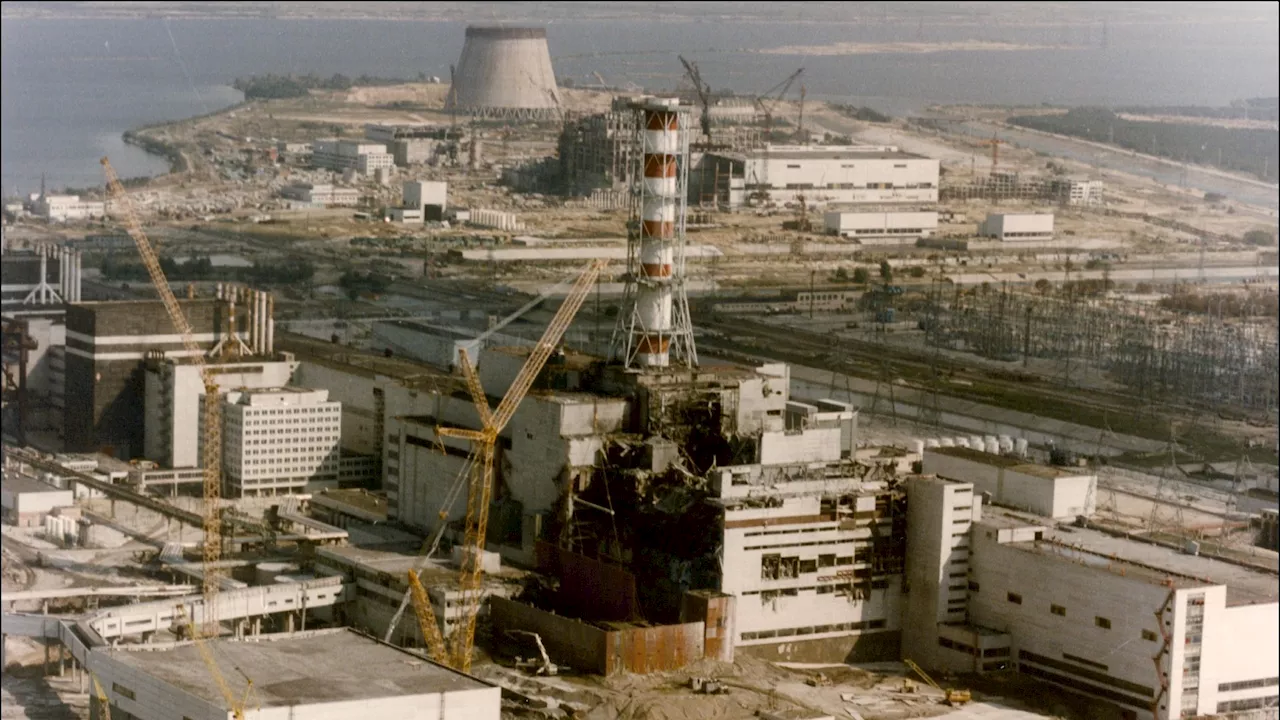
The harsh reality of global perils is underscored by reflections on the catastrophic Chernobyl nuclear disaster, the worst of its kind in history, which still shapes our understanding of nuclear safety decades after the 1986 meltdown. This disaster originated from a flawed safety test at the Chernobyl Nuclear Power Plant in Ukraine when operators, under pressure from the Kyiv electricity grid operator, conducted a dangerous power outage simulation with fatal mistakes.
The Deadly Chernobyl Meltdown and Its Ongoing Fallout
During the test, an inexperienced night crew removed nearly all control rods in a desperate effort to stabilize the rapidly failing reactor power. This critical misstep caused a catastrophic surge and series of explosions that released lethal radiation, forcing massive evacuations and directly causing fatalities. The infamous radioactive mass called the “Elephant’s Foot” remains locked in the exclusion zone and continues to pose severe health risks today.
Though initial Soviet attempts to conceal the disaster were foiled by radiation detections across Europe, the full scale of the long-term health effects remains a subject of research. The disaster’s legacy is a stark warning as humanity grapples with future existential threats, ranging from nuclear risks to climate changes and cosmic phenomena.
NASA’s Lunar Ambitions Signal Bold New Frontier
In sharp contrast to these warnings, NASA recently announced progress on a massive $20 billion project to build a permanent moon base and develop revolutionary nuclear-powered spacecraft destined for missions across the solar system. These efforts are part of NASA’s larger Artemis program, which is preparing for the upcoming Artemis II mission – the first crewed lunar flyby in decades.
The lunar base aims to serve as a hub for sustained human presence beyond Earth, providing critical infrastructure for scientific research and deep space exploration. It’s a massive financial and technological bet fueled by decades of space science advances, yet NASA officials caution this is just the beginning of humanity’s quest to become interplanetary.
Other Revelations: Strange Space Phenomena and Wildlife Trends
Beyond Earth and nuclear disasters, recent reports describe puzzling cosmic phenomena like “faster-than-light darkness” and ongoing human evolution, expanding the frontiers of knowledge about our universe and species. On a lighter note, scientists observe a surprising uptick in polar bear weights, defying expectations given their endangered status.
Texas residents were recently stunned when a cannonball-sized meteorite crashed through a home amid multiple ‘fireball’ sightings across the U.S., highlighting dynamic asteroid activity that still poses scientific and safety concerns. The experience of surviving a violent tornado also made headlines, reminding Montanans and Americans alike of the ongoing power of natural disasters close to home.
Why Montana and U.S. Audiences Should Care
Montana’s communities, with their history of nuclear oversight, energy development, and environmental stewardship, are directly connected to the legacy of Chernobyl and the future of energy and space exploration. The new moon base project promises breakthroughs that could impact everything from national security to scientific jobs, while the lingering shadow of nuclear disasters calls for sustained vigilance.
As NASA pushes boundaries and scientists unravel global risks, Montanans and U.S. residents must stay informed about these fast-moving developments. Understanding the past mistakes at Chernobyl and embracing future opportunities like Artemis II are vital to shaping a safer, richer future for all Americans.
What’s Next?
Watch for updates as NASA advances its lunar base timeline and the Artemis II mission launches, signaling a new era of space exploration in 2026. Meanwhile, researchers continue monitoring nuclear safety and climate impacts tied to historical legacies like Chernobyl, raising urgent questions about preparedness and global survival strategies in a rapidly changing world.
Stay tuned to Montana Insider for live updates as these stories evolve, shaping our understanding of humanity’s future both here on Earth and beyond.