Deadly Hantavirus Outbreak Strikes Cruise Ship MV Hondius, Multiple Deaths Confirmed
A deadly hantavirus outbreak has erupted aboard the MV Hondius, a cruise ship that departed from Ushuaia, Argentina on April 1 and is now anchored off the coast of Cape Verde. Officials confirm that three passengers have died, sparking urgent evacuations of infected individuals as fears rise about this rare viral strain capable of human-to-human transmission.
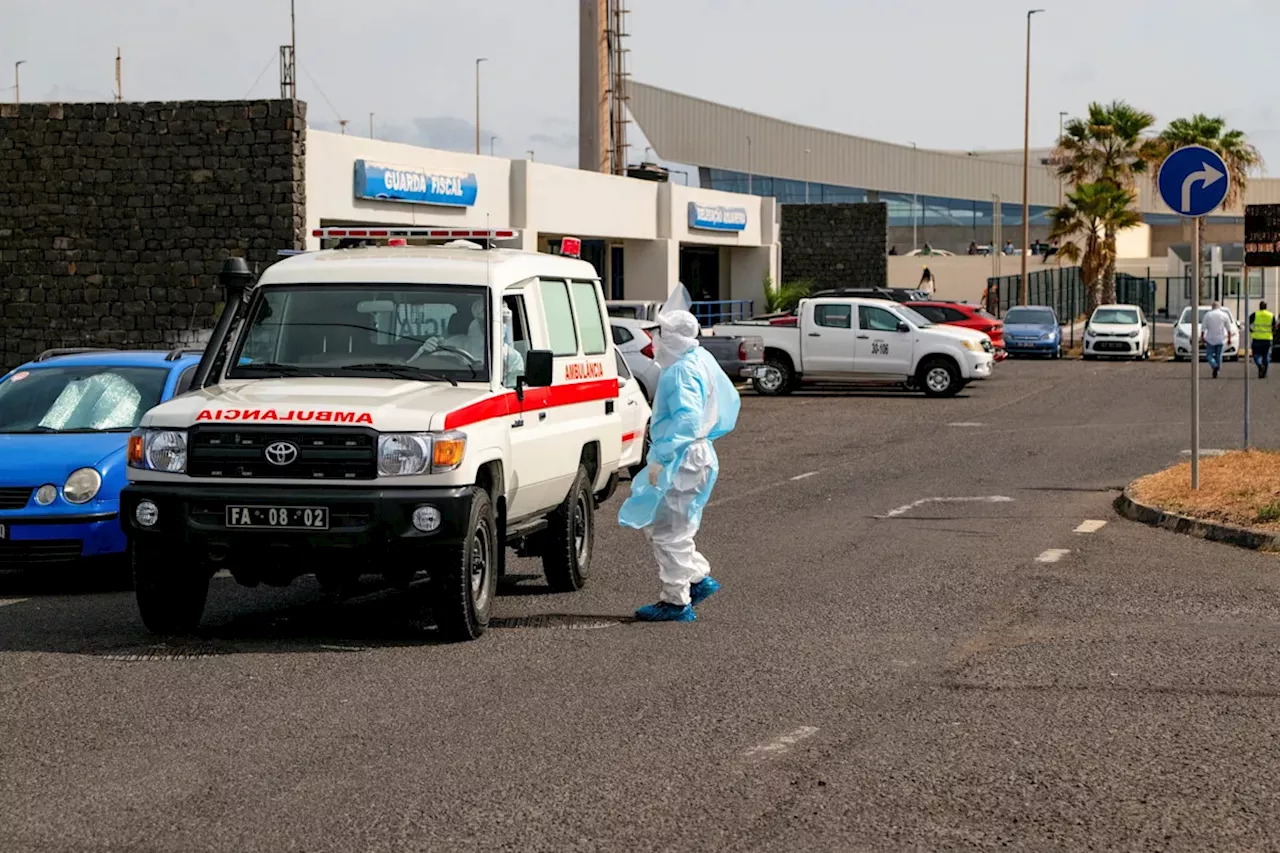
Evacuations commenced on May 6, 2026, when two crew members and one other suspected infected individual were removed from the ship for critical medical care. Authorities acted swiftly after identifying a rare strain of Hantavirus pulmonary syndrome—a form of the virus not known for easy transmission between humans until now.
Rapid Response and Medical Evacuations Amid Unprecedented Crisis
Two medical flights carrying evacuees from the MV Hondius have landed safely in Spain’s Canary Islands and the Netherlands, where infected passengers will undergo rigorous treatment and observation. The ship’s remaining passengers—aboard since April 1—are expected to disembark on May 11, marking the endpoint of the virus’s typical symptom incubation period of 1 to 6 weeks.
This unfolding crisis poses an urgent public health threat due to the virus’s rare human-to-human transmission capability. Such an outbreak on a contained vessel with over 100 passengers intensifies risks of further spread, prompting international health officials to closely monitor the situation.
Hantavirus pulmonary syndrome typically spreads through contact with infected rodents or their droppings. However, this strain aboard the MV Hondius has alarmed experts worldwide because its transmission between humans marks a dangerous shift in the virus’s behavior.
What This Means for U.S. and Montana Audiences
While the outbreak is currently localized on a cruise ship in international waters near Cape Verde, U.S. health officials, including those overseeing Montana health networks, are closely monitoring developments. Cruise travel remains popular among Americans, including Montanans seeking adventure, so awareness of this rare virus and its transmission risks is critical.
Health authorities urge travelers to stay informed about possible exposure symptoms such as fever, muscle aches, and respiratory distress. The rapid evacuations highlight the necessity of swift action in containing outbreaks in confined settings to prevent broader impacts.
Next Steps and Ongoing Investigations
Medical experts continue working around the clock to trace contacts, confirm the source of infection, and fully assess the virus’s transmission dynamics on the MV Hondius. Passengers remaining on the ship will be monitored closely until their scheduled disembarkation on May 11.
International health officials are appealing for vigilance from cruise lines globally, while authorities in Spain and the Netherlands provide critical care to evacuees. The rare nature of this hantavirus strain elevates concern for global health security, making this outbreak a key development for public health responses worldwide.
“The confirmation of human-to-human transmissible hantavirus on a cruise ship is unprecedented and demands immediate global coordination,” said an official health spokesperson.
Montanans and U.S. readers are advised to watch for updates as this story develops and to follow health guidelines issued by the CDC and local health departments regarding viral outbreaks and cruise travel safety.