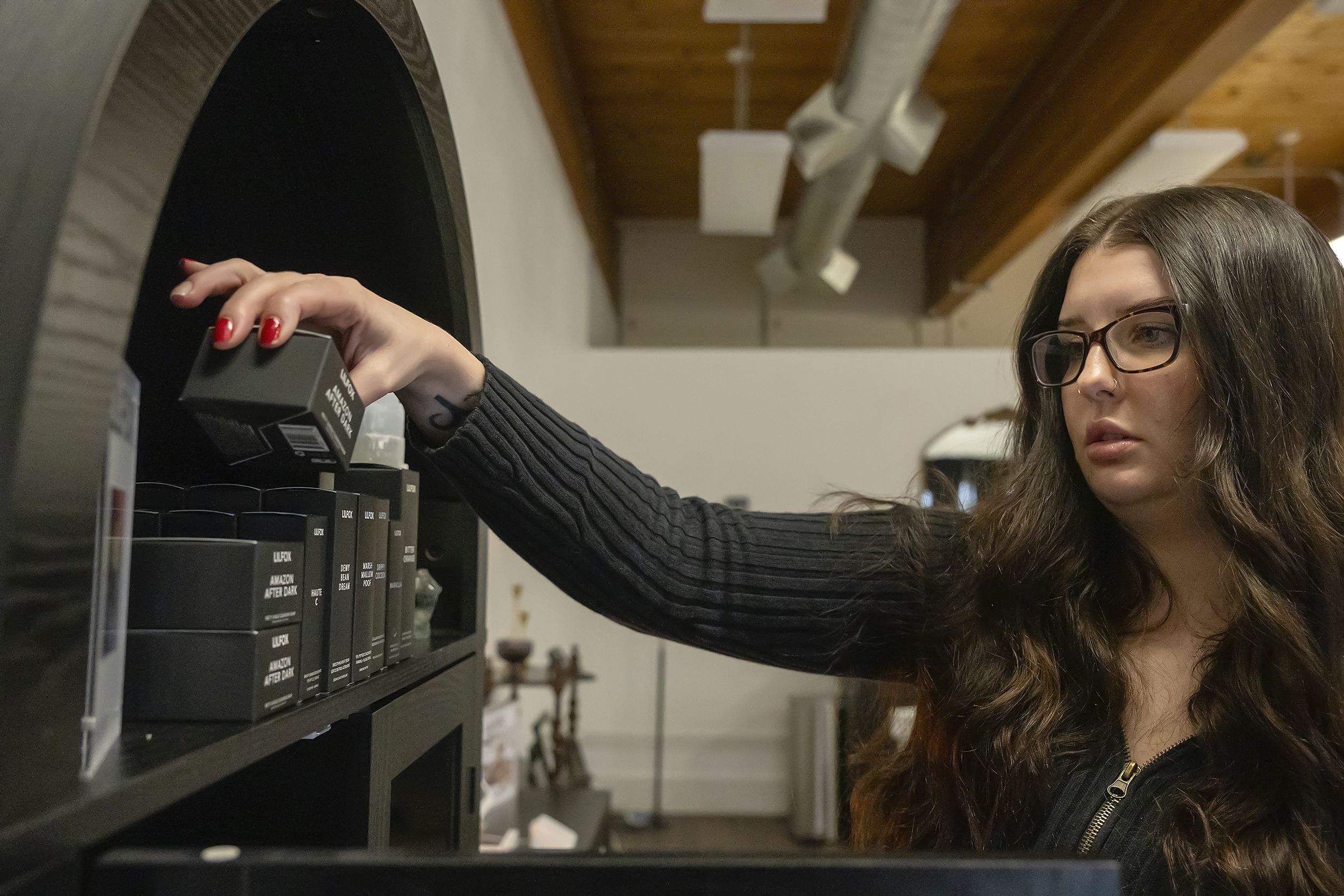
Cannabis use among adolescents has emerged as a significant concern, particularly following its legalization for recreational use in Washington State. A personal account from 28-year-old Paige Valpey highlights the potential risks associated with early exposure to the drug. Valpey began using cannabis at the age of 13, viewing it as a low-risk means to bond with friends and escape the typical anxieties of adolescence. Now nine months sober and running her own esthetician business, she reflects on how her cannabis habit negatively impacted her academic performance and mental health.
Valpey’s journey began in the Lewiston-Clarkston Valley before legal sales of cannabis commenced in Washington in 2012. Despite never purchasing cannabis from licensed retailers while underage, she noted that access to the drug increased with the opening of cannabis stores in nearby Clarkston. According to data from the Washington State Liquor and Cannabis Board, cannabis use in adolescents can lead to various health issues, including impaired learning for up to 28 days after last use for weekly users and increased rates of suicidal ideation for daily users.
Rising Sales Amid Concerns Over Youth Access
The legal cannabis market has flourished in Asotin County, with total annual sales in its three retail stores soaring to four times larger in 2024 compared to the first year of legal sales, after adjusting for inflation. Overall state sales have increased by 87%, raising concerns among law enforcement and health professionals about youth access to cannabis. Matt Plemmons, owner of Greenfield Cannabis, argues that legalization has improved safety by creating a regulated market that enforces strict age checks. “Illicit dealers did not check,” he stated, emphasizing that legal retailers are committed to compliance.
Despite these safeguards, reports from the Clarkston police suggest teens are still finding ways to acquire cannabis, often through adults who purchase it on their behalf or by stealing from family members. The repercussions for adults caught buying cannabis for minors can be severe, with penalties reaching up to 10 years in prison and fines of $10,000. Yet, prosecutions in Asotin County have been infrequent, with local prosecutor Curt Liedkie noting that difficulties in obtaining evidence often hinder cases.
Challenges in Monitoring Health Impacts
The current landscape presents challenges in monitoring the health impacts of cannabis use among youth. There is a notable lack of systematic tracking in Washington State, according to Ryan McLaughlin, co-director of the Cannabis Research Center at Washington State University. As the potency and variety of cannabis products have increased, the need for robust public health tracking has become more urgent. Plemmons agrees that informed public policy should be based on reliable data to guide strategies aimed at preventing underage use.
Despite limited data, positive trends in adolescent cannabis use have emerged. According to the Healthy Youth Survey, key indicators of cannabis access and use among high school students in Asotin County have declined since legalization. Beth Conlan, program manager at the Asotin County Health District, notes that these statistics suggest fewer teenagers are engaging in risky behaviors related to cannabis.
In contrast, neighboring Idaho lacks comprehensive data on the effects of cannabis legalization in Washington. The Idaho Healthy Youth Survey reported that fewer students in the region believed their friends used cannabis, but usage rates remained steady. Additionally, while confiscations of cannabis at Lewiston High School have increased, they remain relatively low.
Valpey’s experience sheds light on the broader implications of early cannabis use. She recalls how the initial excitement of using cannabis overshadowed the negative effects it eventually had on her life. Her academic performance declined, and she eventually transitioned to using more potent products, such as dab pens, which allowed for discreet consumption.
As Valpey reflects on her journey, she acknowledges the mental and physical toll cannabis took on her life. She experienced fatigue, anxiety, and difficulty with concentration, prompting her to seek sobriety. “I was fatigued and tired all the time,” she stated, emphasizing how cannabis had altered her everyday functioning.
Valpey’s story serves as a cautionary tale about the risks associated with adolescent cannabis use. Many young people may underestimate the potential dangers, viewing the substance as harmless. Through community efforts such as those led by Clarkston EPIC, which aims to support teens facing mental health challenges, awareness of these risks continues to grow.
As the conversation surrounding cannabis and youth evolves, the need for cooperative efforts among parents, schools, healthcare providers, and state regulators becomes increasingly vital. Only through collaborative action can communities hope to address the issues surrounding youth cannabis consumption and safeguard the well-being of future generations.