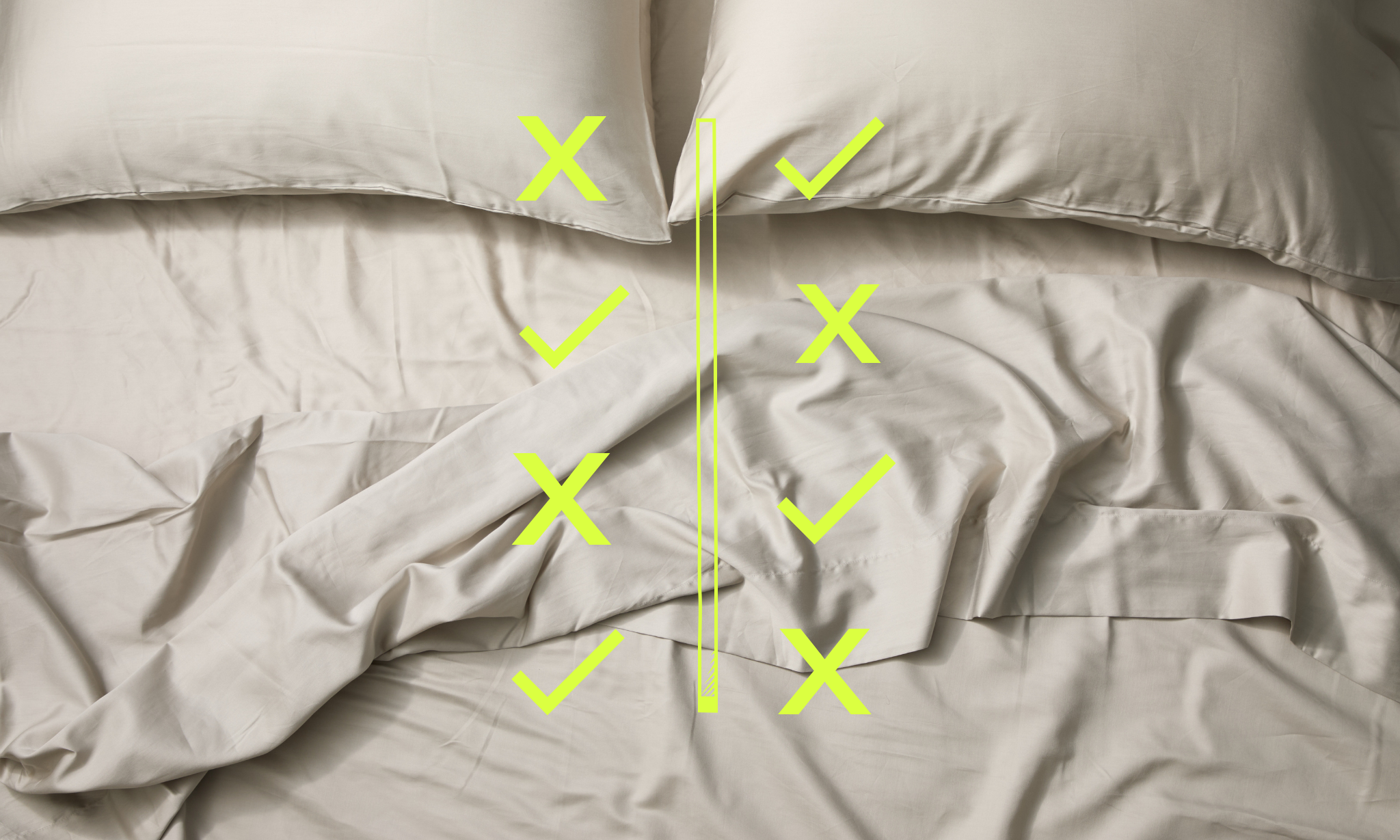
Experts from the Good Housekeeping Institute have settled a decades-old debate: you really do need a top sheet. This common bedroom layer, often dismissed or skipped, serves a vital hygiene and comfort purpose that affects bedding cleanliness across American homes today.
While some travelers and Europeans increasingly forgo the top sheet, considering it a nuisance that ends up tangled on the foot of the bed, the latest expert insight reveals this popular shortcut may lead to more frequent washing of costly comforters and duvets. According to Emma Seymour, Associate Textiles Lab Director, and Noah Pinsonnault, Home Care Cleaning Reviews Analyst at the institute, the top sheet remains an essential barrier to protect your bedding and reduce laundry loads.
Why the top sheet still matters for every American bedroom
“The original purpose of the top sheet was to shield your skin from scratchy wool blankets and protect those blankets from sweat and oils,” explains Pinsonnault. Though scratchy blankets are less common now, the hygiene value remains clear: keeping sweat, body oils, and other buildup away from your comforter dramatically cuts down its washing frequency.
Seymour adds, “I wash my top sheet, fitted sheet, and pillowcases every week but only wash my duvet cover every month or so. I hate having to strip and remake my duvet more often—that extra laundry load really isn’t worth skipping the top sheet.”
This expert procedure is critical given health and hygiene awareness is rising nationwide. Bedding experts recommend regular washing of sheets weekly, but comforters and duvet covers typically don’t need that frequency unless the top sheet is skipped altogether.
What happens if you skip the top sheet?
If you choose to forgo the top sheet, your routine must adjust to maintain the same hygiene standards. According to Seymour, “You will have to wash your duvet cover every week with the rest of your bedding.” For many, this is tedious enough to keep using a top sheet as a barrier.
Travelers note top sheets are less common in Europe, but that often coincides with frequent washing and different bedding customs. In the United States, skipping the top sheet might seem simpler but comes with a hidden cost: more laundry and quicker wear on comforters and duvets.
Why this debate matters right now
As Montana residents and households nationwide look for ways to simplify cleaning routines while maintaining a fresh home, the top sheet discussion is more relevant than ever. With rising laundry loads increasing water and energy use, preserving comforters and duvets by using a washable top sheet is a smart, practical approach.
The Good Housekeeping Institute’s experts confirm this isn’t just tradition or habit. It’s about protecting your investment and minimizing your workload. Skipping the top sheet means more frequent washing of heavy bedding, and that’s an important lifestyle and sustainability consideration today.
The bottom line for American bedrooms
Your bed setup is your choice, but hygiene standards can’t be ignored. The top sheet is an easy, affordable step that protects bulky bedding and cuts down on costly and time-consuming washing. Experts agree: keep the top sheet if you want to reduce laundry burdens and stay comfortable year-round.
Whether you live in Montana or anywhere across the United States, the top sheet debate is settled by those who know bedding best — it remains a practical must-have rather than an unnecessary extra layer. If you prefer a simpler bed routine, just be ready to wash your duvet cover weekly to maintain cleanliness.
For now, the top sheet remains the unsung champion of bedding hygiene and comfort nationwide.