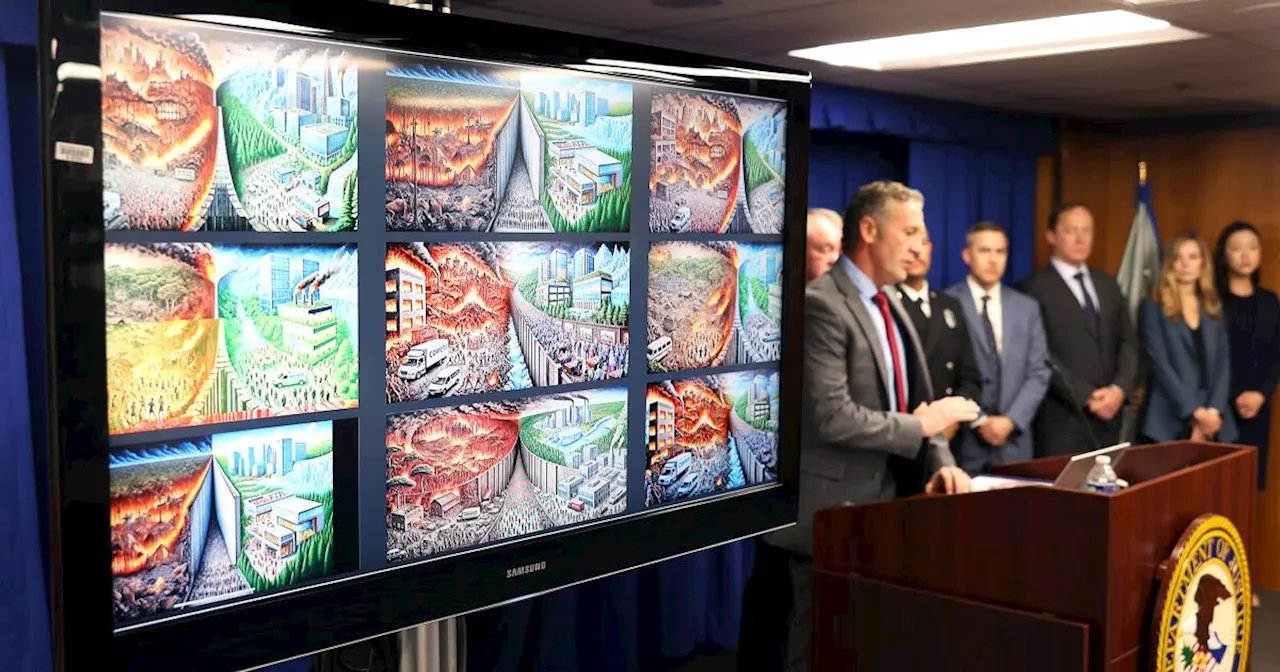
A suspect in the catastrophic Palisades fire harbored deep resentment against the wealthy and admired a convicted CEO killer as a heroic figure, court documents reveal. Jonathan Rinderknecht, 30, is accused of igniting the Lachman fire on January 1 at Pacific Palisades, a blaze that ultimately exploded into one of the most destructive wildfires in U.S. history.
The fire led to 12 fatalities and razed more than 6,500 structures across Palisades and Malibu, causing billions of dollars in damages and insurance claims. Federal prosecutors unveiled a detailed 25-page brief exposing Rinderknecht’s intense anger toward capitalism and the wealthy, fueled by personal setbacks and a fixation on Luigi Mangione, the accused killer of the United Healthcare CEO.
Forensic analysis uncovered internet searches on the suspect’s computer from December 2024, including terms like “Free Luigi” and disturbing phrases such as “reddit lets kill all billionaires.” Investigators linked Rinderknecht closely to the fire’s origin through geolocation data, a BIC lighter with his DNA found in his car, and video footage of his chilling commentary recorded days before the blaze erupted.
Witnesses described Rinderknecht as erratic and consumed by rage targeting the rich and capitalist systems hours before the fire. Prosecutors detailed how rejection by a former lover on December 30 triggered frantic emotional outbursts captured in voicemails and ChatGPT messages, with the suspect absorbed by dark thoughts accompanied by a French rap song featuring fiery imagery.
Despite the damning circumstantial evidence, legal expert Neama Rahmani warns that the case faces challenges. “Motive based on resentment and political views can be difficult to prove beyond reasonable doubt,” Rahmani said, emphasizing the prosecution’s focus on whether the originally smoldering Lachman fire reignited several days later due to weather conditions.
The Bureau of Alcohol, Tobacco, Firearms, and Explosives (ATF) zeroed in on Rinderknecht within weeks after the fire, especially after multiple 911 calls from him reporting the fire’s spread. Warrants on his electronic devices traced his Uber tied to the area, and video evidence showed his return to watch emergency crews at work, fueling suspicion.
Defense attorney Steve Haney insists the government lacks direct proof linking Rinderknecht to the ignition. “There is no concrete evidence he started the original fire,” Haney said, highlighting perceived inconsistencies in the timeline and explanations from his client.
This case raises urgent questions about motives behind one of the most devastating wildfires in recent memory, highlighting dangerous resentment toward the wealthy amid broader social tensions. Authorities continue to build their case as Montana and U.S. residents watch closely, aware that wildfires remain an urgent threat nationwide.
Investigations are ongoing with court proceedings expected to intensify, potentially setting important legal precedents for how arson tied to political motives is prosecuted in wildfire disasters.