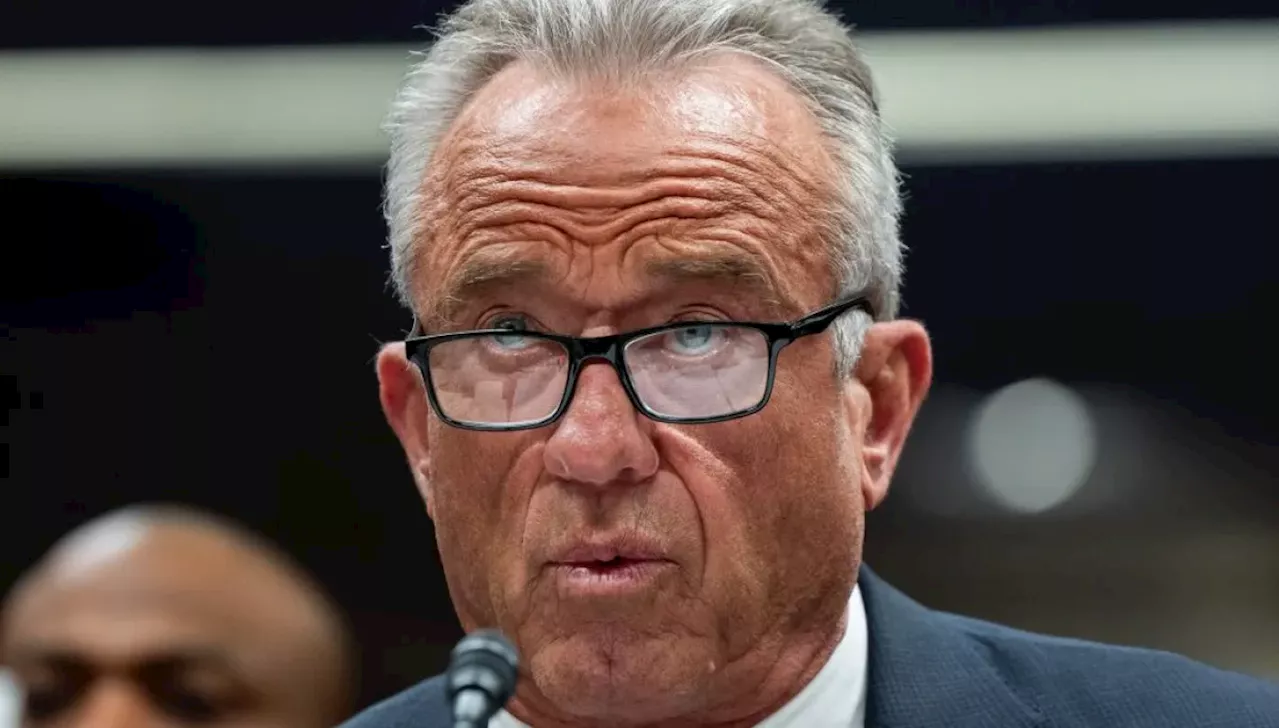
RFK Jr.’s Attack on Vaccine Program Sparks Electoral Crisis for Republicans
Robert F. Kennedy Jr.’s aggressive moves to overhaul the Vaccine Injury Compensation Program (VICP) are triggering a looming electoral crisis that could cost Republicans control of Congress in the upcoming midterms. His efforts threaten to unravel a decades-old program that protects vaccine manufacturers while compensating injury victims, sending shockwaves through health policy and GOP election plans alike.
Sources inside Washington confirm that Kennedy, appointed by President Trump to lead the Department of Health and Human Services (HHS), has pushed forward an agenda under the Make America Healthy Again (MAHA) banner that has alarmed healthcare experts and lawmakers from across the political spectrum. His push to overload or outright dismantle VICP risks eliminating a critical safety net for vaccine injury victims and destabilizing vaccine access nationwide.
Less than eight months before the crucial 2026 midterm elections, GOP leaders are now fighting to contain fallout from Kennedy’s health policy upheaval—a controversy that polls reveal is deeply unpopular among moderate and libertarian voters key to Republican victories. According to recent surveys, candidates backing moves to remove childhood vaccine protections face a net 12-point unfavorable rating at the ballot box.
Why Kennedy’s VICP Fight Endangers GOP Hold on Congress
The Vaccine Injury Compensation Program, established to offer a predictable system for both vaccine manufacturers and legitimate claimants, has paid more than $5 billion to victims since its inception. Kennedy’s appointees aim to rework or scrap this framework by stacking agencies and circumventing legal challenges, despite a federal judge blocking many of his controversial appointments earlier this year and labeling them “distinctly unqualified.”
HHS has attempted workarounds including issuing a new Advisory Committee on Immunization Practices (ACIP) charter to bypass judicial rulings. If successful, policies stripping ACIP’s vaccine recommendations would remove federal insurance coverage requirements under the Affordable Care Act. This change could hit working families hard, potentially imposing unexpected out-of-pocket costs for routine childhood vaccinations.
Moreover, Kennedy’s moves threaten the stability of the vaccine supply chain itself, risking scarcity and higher costs. This scenario threatens to reverse years of progress on vaccine accessibility and affordability, hitting the working class—the very base that powered Trump’s election victories. The specter of rising healthcare costs and restricted vaccine choices energizes opposition voters and raises alarm among traditionally Republican swing districts nationwide.
Broader Impact: What This Means for Voters and Policy
Public reaction to MAHA’s agenda goes beyond partisan divides. Moderate and libertarian voters who propelled Trump in 2024 are increasingly wary of policies perceived as limiting health freedoms and economic liberty. Pollsters emphasize that the issue resonates strongly in battleground states where swing voters hold the balance of power.
“If Americans believe they’re less free than they were 18 months ago, they will vote accordingly to restore those freedoms,” political analysts warn.
Political insiders caution that Kennedy’s hard pivot on vaccine policy could energize the Democratic base, handing back Congress to the opposition just as Republicans hoped to cement gains through sweeping legislative priorities like tax cuts and deregulation. Should voters view Kennedy’s agenda as threatening access to affordable healthcare, the consequences for the Republican legislative roadmap could be devastating.
What’s Next: Midterms Loom Amid Rising Health Policy Tensions
With the 2026 midterms weeks away, the Trump administration faces mounting pressure to reconsider or moderate Kennedy’s vaccine-centric agenda. GOP campaign strategists warn that failure to address voter concerns around health freedoms and vaccine access could derail efforts to maintain a Republican majority in Congress.
For Montanans and Americans nationwide, this battle over vaccine policy is more than a technical healthcare dispute—it is a test of government roles in personal health choices, economic liberty, and political control. The stakes could not be higher as voters prepare to weigh these issues at the ballot box.
Montana voters in swing districts will be watching closely as developments unfold, recognizing that decisions made in Washington today will ripple across communities and families tomorrow.
Montana Insider will continue tracking this story as it develops, bringing you timely updates on how Robert F. Kennedy Jr.’s controversial policies are reshaping the political and healthcare landscape across the U.S.