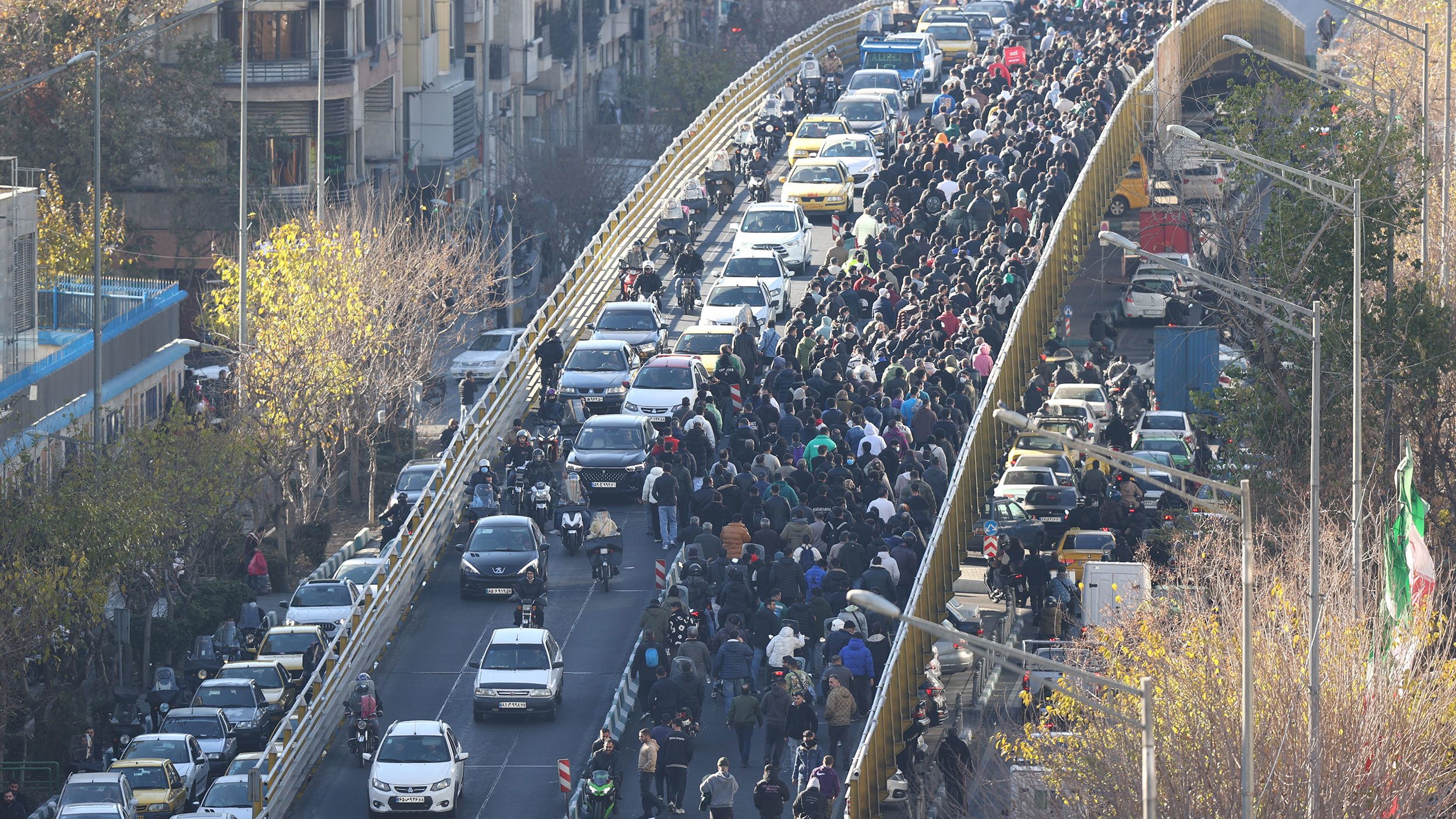
On Wednesday, Iran appointed Abdolnasser Hemmati as the new governor of the Central Bank of the Islamic Republic of Iran amid significant economic turmoil and mass protests triggered by the rial’s record depreciation. The announcement follows the resignation of Mohammad Reza Farzin just one day after protests erupted across the country, marking some of the largest demonstrations Iran has seen in three years. The Iranian rial fell to an unprecedented exchange rate of 1.38 million rials to the U.S. dollar, up from 430,000 rials when Farzin assumed office in 2022.
Economic Crisis Fuels Public Discontent
The protests have been driven by rampant inflation, currently estimated at around 40%, which has severely impacted the purchasing power of Iranian households. Many shopkeepers and traders closed their businesses and joined protesters in cities like Tehran, Shiraz, and Kermanshah to voice their frustrations over the declining value of the rial and rising costs of essential goods.
Hemmati, who previously served as the Minister of Economic and Financial Affairs under President Masoud Pezeshkian, will face the immediate challenge of addressing inflation and stabilizing the currency. According to the government spokeswoman Fatemeh Mohajerani, his agenda will also include tackling issues related to banking mismanagement.
Hemmati’s appointment comes on the heels of his dismissal from parliament in March due to allegations of mismanagement and accusations that his previous policies undermined the rial’s strength. The drop in currency value, compounded by Western sanctions related to Iran’s nuclear program, has resulted in skyrocketing prices for food and other daily necessities.
Protests Escalate Amid Government Response
The government has responded to the unrest with stern warnings. Mohammad Movahedi Azad, Iran’s Prosecutor General, stated that any attempts to convert economic protests into actions that threaten public order would be met with a firm response. Reports indicate that protests have turned violent in some areas, including incidents where protesters entered the governor’s office, leading to injuries among law enforcement personnel.
Recent weeks have seen changes in gasoline prices, which are expected to further exacerbate inflationary pressures. The Iranian public’s dissatisfaction is palpable, as many await tangible improvements in their economic situation.
Historically, the Iranian rial traded at approximately 32,000 rials to the dollar during the 2015 nuclear accord, which eased international sanctions in exchange for stringent controls on Iran’s nuclear activities. The agreement was effectively dismantled in 2018 when then-President Donald Trump withdrew the United States from the deal.
As Iran navigates these turbulent waters, the new central bank governor’s ability to stabilize the economy may play a crucial role in quelling public unrest and restoring confidence in the nation’s financial system.