Apple provides a straightforward method for users to determine whether their iPhone is new, refurbished, or a replacement unit. By examining the model number, users can quickly identify the device’s status. The initial letter of the iPhone’s model code indicates whether it is a new retail device, refurbished, or a replacement issued by Apple. As the iPhone market continues to grow globally, understanding a device’s authenticity has become increasingly important for consumers.
With millions of iPhones sold daily through various channels—including Apple Stores, resellers, and online marketplaces—questions about a device’s originality are common. The distinction between a brand new iPhone and a refurbished or replacement device can significantly impact a user’s financial investment and trust in the product. Fortunately, Apple has established clear guidelines to help users ascertain their device’s history.
How to Identify Your iPhone’s Status
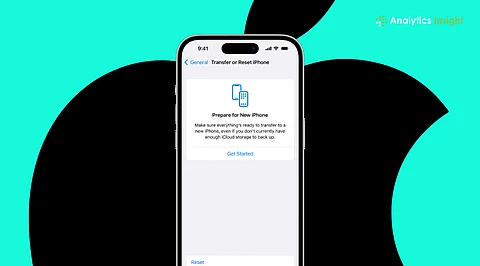
Apple emphasizes brand transparency, and each iPhone comes with a unique model identifier. The first letter of the model number provides insight into its background. Users can check this information by following these steps:
1. Go to Settings.
2. Click on General.
3. Scroll to About to find the model number.
The significance of the first character in the model number is as follows:
– If the model number starts with M, the iPhone is brand new. It has not undergone refurbishment, repackaging, or servicing prior to sale.
– A model number beginning with F indicates that the device is refurbished. Apple has subjected these devices to rigorous testing, parts replacement if necessary, and quality checks before resale. Refurbished units typically operate like new devices but are available at a lower price.
– If the model number begins with N, this indicates that the device is a replacement unit issued after a warranty claim or repair. These are often refurbished models held to high standards.
– A model number starting with P signifies a customized device, often engraved for specific buyers, and these units are also new.
Familiarity with these identifiers helps users navigate the often confusing landscape of iPhone purchases, enabling informed decisions.
Additional Methods to Verify iPhone Authenticity
In addition to checking the model number, there are several other methods to confirm an iPhone’s authenticity. One widely used technique is to verify the device using its IMEI number. Users can obtain the IMEI by dialing *#06# or by navigating to:
– Settings
– General
– About, and locating the IMEI or serial number.
Entering the IMEI into Apple’s coverage checker provides details about the device, including its activation status, warranty eligibility, and support validity. If the checker indicates previous activation, the device is not new.
Another approach involves reviewing the warranty page for the first activation date. If the warranty has been partially consumed, the device is likely not brand new. Physical inspection of the packaging can also provide clues; new models typically arrive in sealed, shrink-wrapped boxes with matching serial numbers on both the box and the device. Refurbished units may show signs of wear or mismatched details.
Understanding these verification methods can empower consumers to make better-informed purchasing decisions, whether they are buying directly from Apple, a reseller, or a secondary marketplace.
The Importance of Verifying iPhone Authenticity
Verifying an iPhone’s authenticity is crucial for several reasons, including financial transparency, brand trust, and long-term reliability. When investing in a device, knowing its true status is essential. Utilizing Apple’s model numbers, IMEI verification, service history checks, and simple inspections can clarify a device’s origin in just a few minutes.
As the market for iPhones continues to expand, consumers must remain vigilant. Whether purchasing from Apple or other channels, these checks foster informed and secure buying choices. As users navigate the complexities of the iPhone marketplace, clarity regarding device authenticity is more important than ever.