The White House has expressed strong disapproval of Israel’s recent airstrike that resulted in the death of a senior Hamas commander. This incident has intensified tensions between the two allies as they navigate the ongoing conflict in Gaza. The U.S. administration’s message underscores growing frustrations regarding Israel’s military actions and their broader implications for peace efforts in the region.
In a statement issued on October 10, 2023, a senior official from the White House indicated that the killing of the Hamas commander could undermine diplomatic efforts to stabilize Gaza. The administration, led by President Joe Biden, has been advocating for a ceasefire and a reconstruction plan for the war-torn area. The ongoing violence threatens to derail these initiatives, which are seen as crucial for achieving long-term stability.
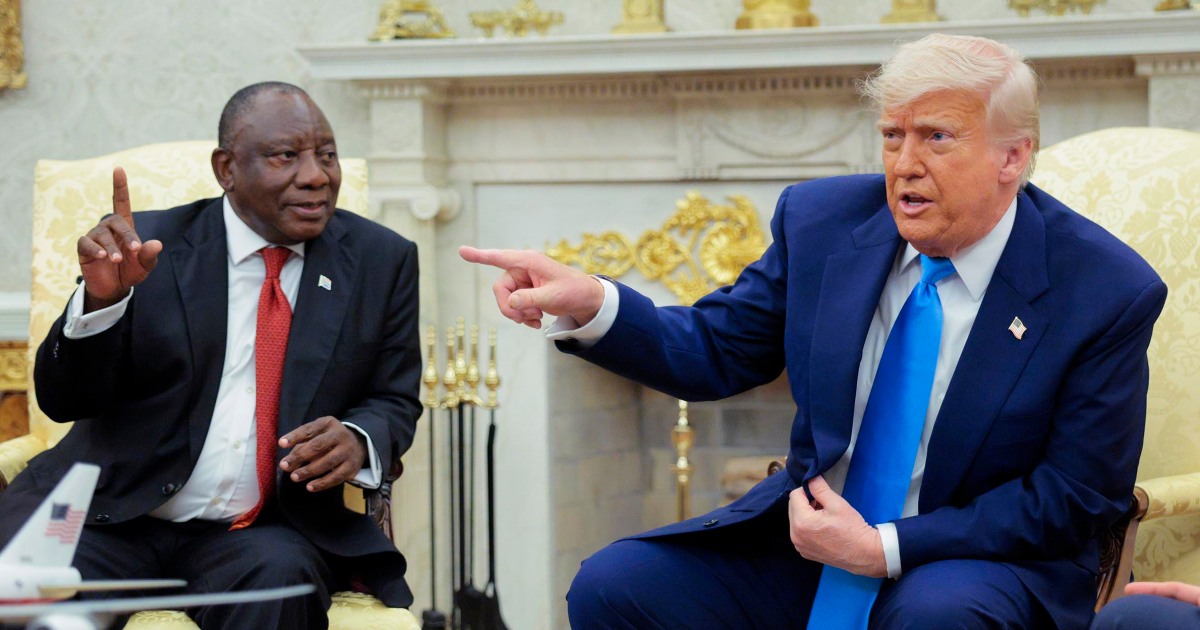
Former U.S. President Donald Trump has also weighed in on the situation, criticizing Israeli Prime Minister Benjamin Netanyahu for actions that he believes are impeding a potential peace agreement. According to aides, Trump has expressed concerns that Netanyahu’s decisions are jeopardizing “my deal” aimed at halting the conflict and facilitating the rebuilding of Gaza. Trump’s remarks highlight the delicate balance of U.S.-Israel relations and the expectations that come with it.
The situation in Gaza remains dire, with thousands of civilians caught in the crossfire. The latest reports indicate that the death toll has risen significantly during the recent escalation of violence. Humanitarian organizations are increasingly alarmed by the deteriorating conditions, urging both sides to prioritize civilian safety and access to essential services.
In light of these developments, the White House is reportedly reassessing its approach to Israel. Officials are emphasizing the need for accountability in military actions and expressing concerns over the humanitarian impact of ongoing operations. The U.S. has traditionally supported Israel’s right to defend itself, but the recent events have prompted calls for a more nuanced strategy that considers the broader implications for peace in the Middle East.
As international pressure mounts, the Biden administration is exploring diplomatic avenues to address the crisis. The White House is expected to engage with key stakeholders in the region and beyond in an effort to encourage dialogue and reduce hostilities. The ongoing situation serves as a reminder of the complexities involved in Middle Eastern politics, where military actions often have far-reaching consequences.
The evolving dynamics between the U.S. and Israel will likely be a focal point in upcoming discussions, as both nations navigate the challenges posed by the current conflict. The implications of these decisions will be felt not only in Gaza but also across the broader geopolitical landscape.