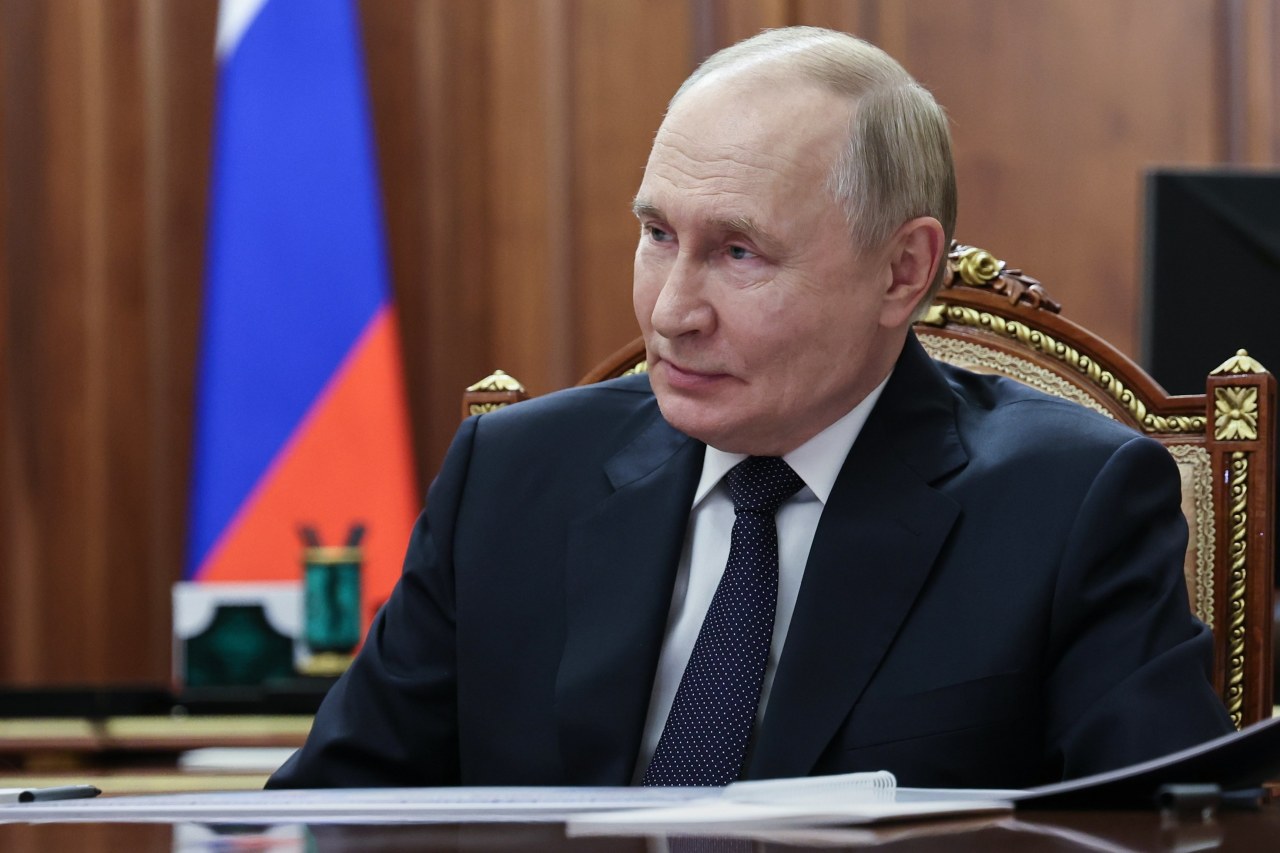
The prospect of achieving peace in Ukraine faces significant challenges as Western nations struggle to present a unified front against Russian aggression. Despite a recent proposal from former U.S. President Donald Trump, which suggested a potential diplomatic solution, major players within the West are divided in their approach to dealing with Russian President Vladimir Putin.
At a time when tensions remain high, the discord among NATO allies and the European Union complicates any coordinated effort to exert pressure on the Russian Federation. This fragmentation was evident during discussions at the G7 Summit held in March 2024, where leaders expressed differing opinions on the best course of action to bring an end to the ongoing conflict.
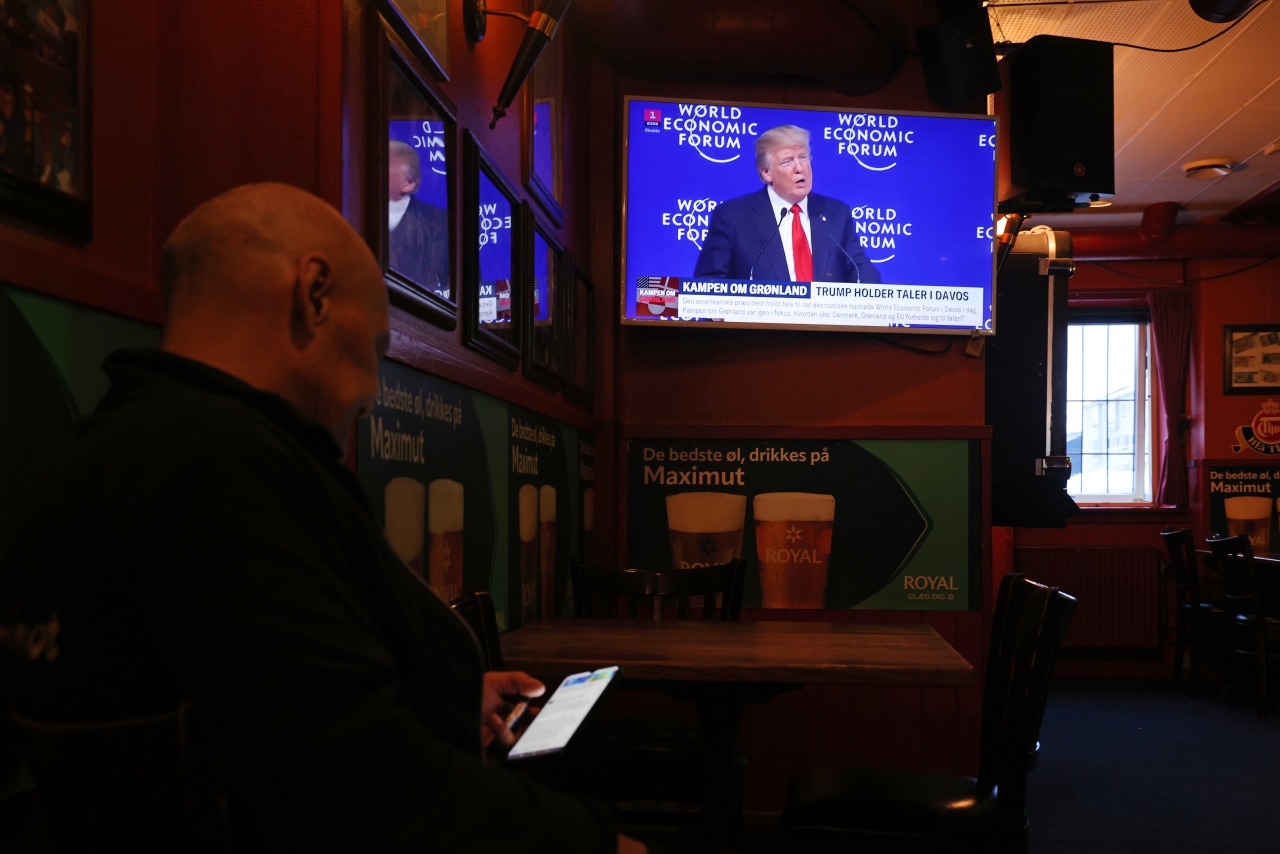
During the summit, Trump proposed a series of negotiations that would involve direct talks with Putin, aiming to reach a consensus that could lead to a ceasefire. While some leaders welcomed this idea, others voiced skepticism, stressing the importance of maintaining sanctions on Russia until significant progress is made regarding Ukraine’s territorial integrity.
The overall sentiment among Western nations reflects a broader concern over the implications of a fractured response to Russia’s military actions. NATO Secretary General Jens Stoltenberg emphasized that unity is crucial for a successful strategy against Russian aggression. He stated, “Only by standing together can we ensure peace and security in Europe.”
Additionally, recent reports indicate that military assistance to Ukraine remains a contentious issue, with some countries advocating for increased support while others call for caution. The divide highlights the challenges of balancing military aid with diplomatic overtures, further complicating the situation on the ground.
With the conflict showing no signs of abating, the stakes are high. Ukrainian officials have reiterated the need for a robust international response to combat the ongoing threat posed by Russia. They argue that any peace negotiations must prioritize Ukraine’s sovereignty and territorial claims.
As the situation evolves, the effectiveness of Trump’s proposed approach remains uncertain. While the idea of direct negotiation may appeal to some, critics warn that it could undermine the collective efforts of Western nations to hold Russia accountable for its actions.
The international community watches closely as leaders grapple with these complex issues, knowing that any missteps could have far-reaching consequences for global stability. The path to peace in Ukraine is fraught with obstacles, but maintaining a united front among Western allies is essential for any hope of resolution.
In the coming weeks, further discussions are expected as leaders continue to explore potential avenues for peace. The outcome of these dialogues could shape not only the future of Ukraine but also the geopolitical landscape in Europe and beyond.