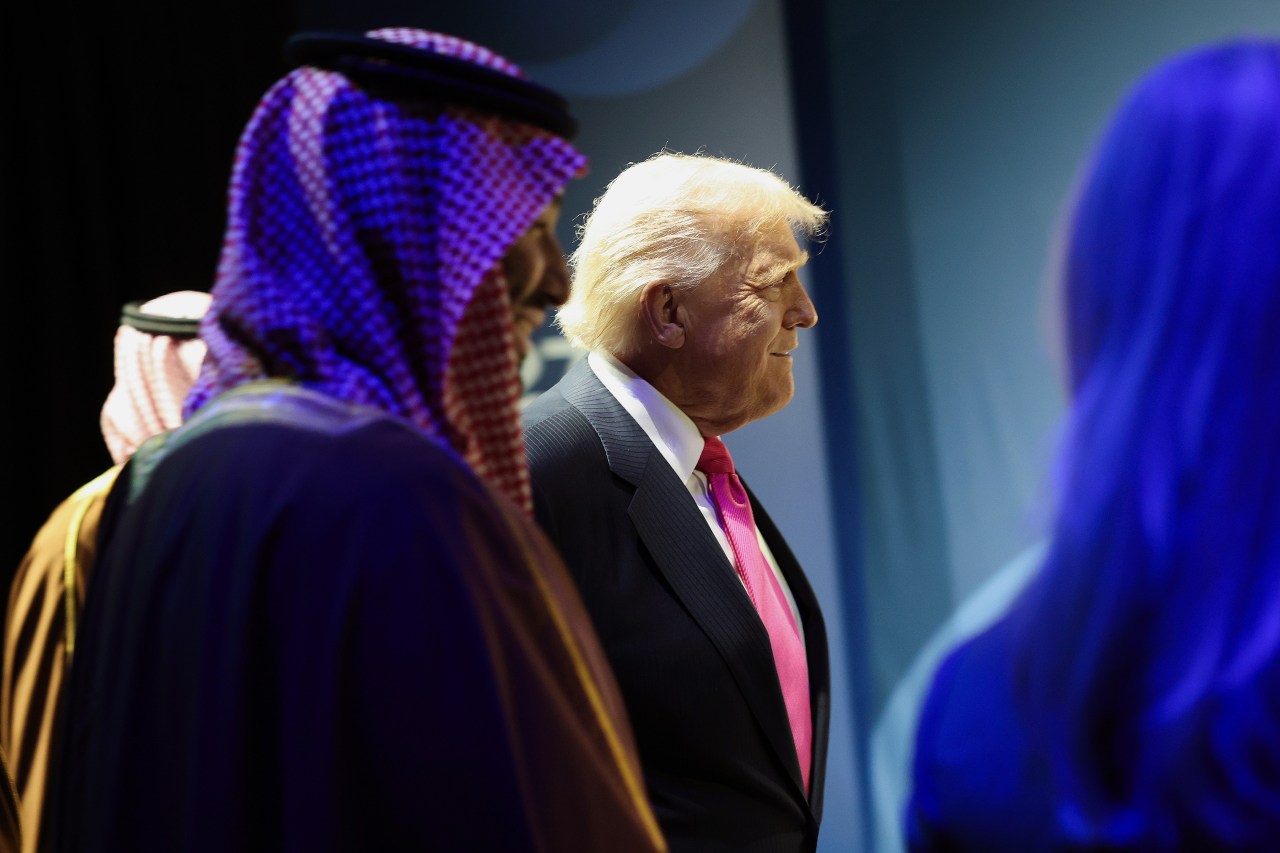
The United States government has approved a significant deal to sell artificial intelligence (AI) chips to Saudi Arabia, marking a notable advancement in technology collaboration between the two nations. This agreement, valued at approximately $1 billion, follows extensive discussions between U.S. President Donald Trump and Saudi Crown Prince Mohammed bin Salman.
During their recent talks, both leaders emphasized the importance of enhancing technological ties, particularly in the realm of AI. The deal aims to bolster Saudi Arabia’s ambitions to integrate advanced technology into its economy, aligning with the nation’s Vision 2030 initiative, which seeks to diversify its economy beyond oil dependency.
Strategic Implications of the Deal
The sale of AI chips is expected to have far-reaching implications for both countries. For Saudi Arabia, the acquisition will support its efforts to develop a modern technological infrastructure, essential for fostering innovation and attracting foreign investment. The Kingdom has been investing heavily in technology sectors, and this agreement is viewed as a pivotal step in that direction.
For the United States, the deal represents an opportunity to strengthen economic ties with a key ally in the Middle East. By providing advanced technology, the U.S. not only enhances its strategic influence in the region but also opens doors to further partnerships in the tech sector.
While the agreement has garnered support from business and political leaders, it has also raised concerns over the potential military applications of AI technology. Critics argue that such technology could be used to enhance military capabilities in a volatile region. Nonetheless, U.S. officials have reassured that the deal includes strict regulations to ensure the technology is used for peaceful purposes.
Future Prospects and Challenges
As the deal progresses, both nations will need to navigate various challenges, including regulatory hurdles and ensuring that the technology transfer aligns with international standards. The successful implementation of this agreement could pave the way for future collaborations in the tech sector, potentially leading to new innovations in AI and related fields.
The agreement is poised to take effect in early 2024, signaling a new phase in U.S.-Saudi relations focused on technological advancement. As both countries prepare for the next steps, the world will be watching closely to see how this partnership evolves and what it means for the broader geopolitical landscape.
The approval of this deal underscores the growing importance of AI technology globally, as countries recognize its potential to drive economic growth and enhance national security. As the U.S. and Saudi Arabia embark on this collaboration, the implications for international relations and technological development remain significant.