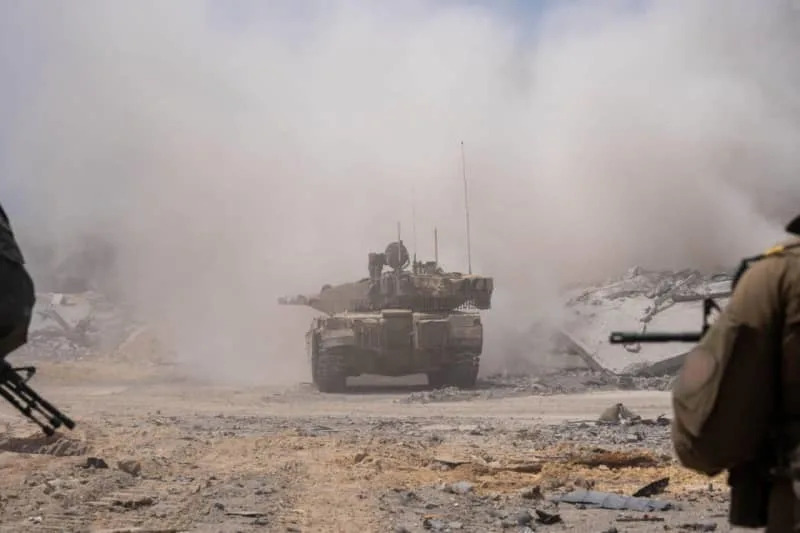
As the conflict between U.S.-Israeli forces and Iran enters its third week, the United States is deploying additional military resources from the Pacific region to support its efforts. This escalation raises significant concerns regarding military readiness, regional alliances, and the broader economic implications of the ongoing war.
The U.S. has long aimed for a “Pivot to the Pacific,” prioritizing strategic interests in Asia over those in the Middle East. This shift was designed to enhance trade routes and counterbalance China’s growing influence. However, with the current military commitments in Iran, analysts warn that this strategy may be jeopardized at a critical juncture.
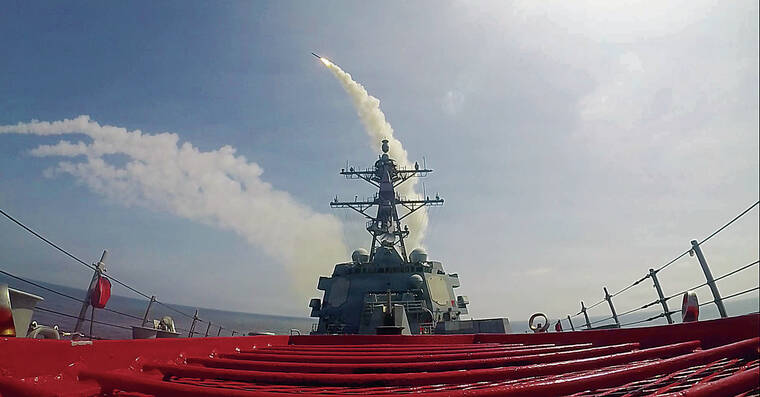
At least two vessels stationed in Hawaii have been involved in the conflict, which has been designated as Operation Epic Fury. The USS Frank E. Petersen Jr., an Arleigh Burke-class destroyer, was photographed launching missiles into Iran shortly after the conflict commenced on February 28, 2024. On March 4, the USS Charlotte, a submarine based in Pearl Harbor, became the first U.S. submarine since World War II to sink an enemy vessel, targeting the Iranian warship IRIS Dena off the coast of Sri Lanka. This action has broadened the scope of the conflict, drawing the U.S. Indo-Pacific Command further into the fray.
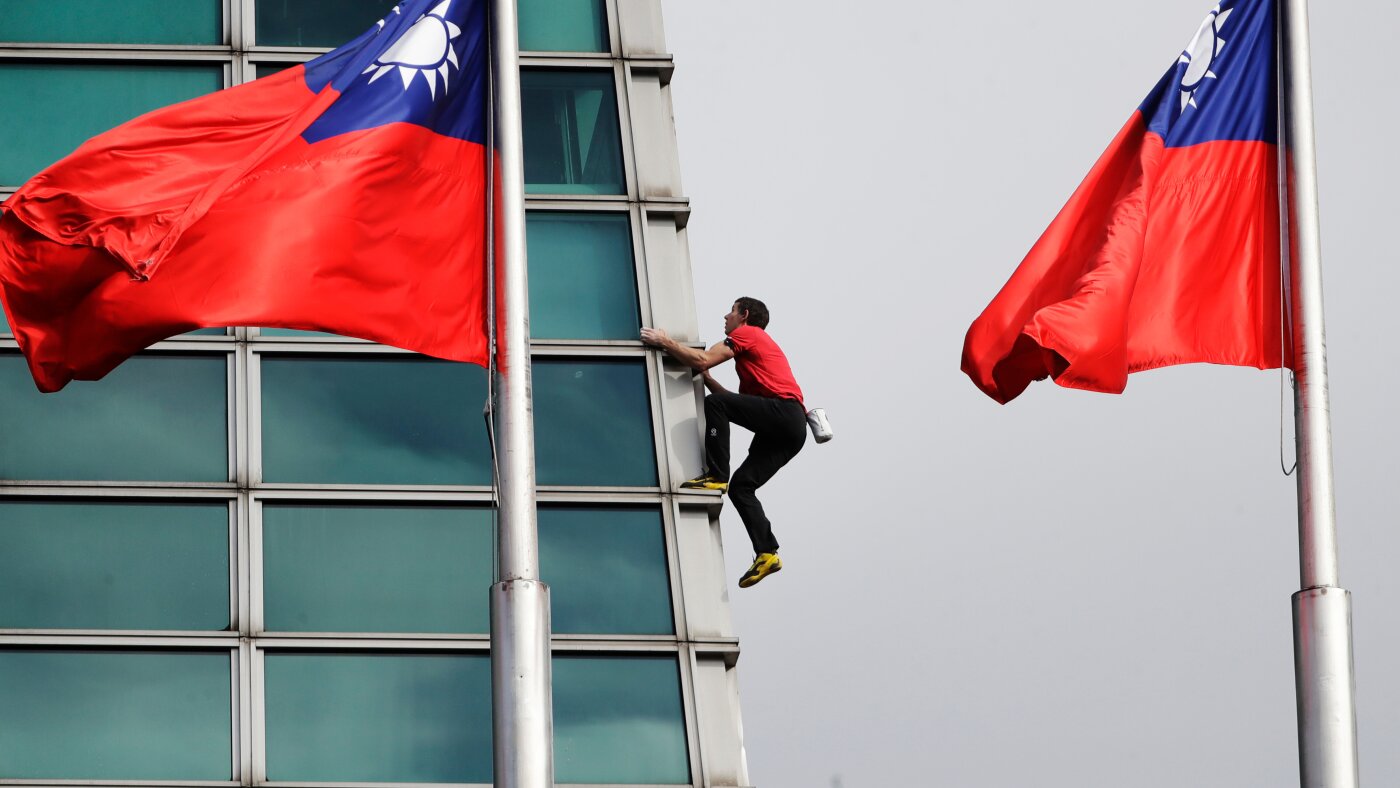
INDOPACOM has been actively fortifying alliances in light of increasing military collaboration between China, Russia, and North Korea, while also managing heightened tensions surrounding Taiwan and the South China Sea. Chinese leader Xi Jinping has directed his military to prepare for a potential invasion of Taiwan by 2027. As the situation in the Middle East escalates, the transfer of U.S. military resources from the Pacific raises alarms among allies and adversaries alike.
Reports have surfaced regarding the relocation of parts of the U.S. Terminal High Altitude Area Defense (THAAD) missile defense system from the Korean Peninsula to the Middle East. This shift follows an Iranian strike that reportedly destroyed a $300 million radar system operating in Jordan. South Korean President Lee Jae-myung acknowledged these developments, expressing concern over U.S. military assets being shipped out of the country despite South Korea’s opposition.
The amphibious assault ship USS Tripoli, along with the 31st Marine Expeditionary Unit equipped with F-35 stealth jets and V-22 Osprey aircraft, has also been dispatched to the Middle East. A Pentagon spokesperson declined to comment on potential Marine deployments from Hawaii, citing operational security.
U.S. Senator Mazie Hirono, a member of the Senate Armed Services Committee, criticized the current military actions as detrimental. She stated that the war is increasing costs for Americans and compromising national security, all without a clear strategy or plan.
As U.S. forces engage in military operations in Iran, there are concerns about the depletion of munitions. The U.S. military is using significant amounts of missile stockpiles to counter Iranian threats, which could weaken America’s ability to respond to crises in the Asia-Pacific region. Denny Roy, a research fellow at the East-West Center, highlighted the potential ramifications for countries in the region that rely on U.S. military support.
According to Roy, the rapid consumption of U.S. armaments in the Iran conflict may lead to hesitance in future engagements in Asia. He noted that China is closely monitoring these developments.
Admiral Samuel Paparo, head of U.S. Pacific forces, emphasized the strain on military resources, stating that extensive use of munitions directly impacts global military readiness, particularly in the Indo-Pacific. Senator Hirono echoed these concerns, stressing the importance of maintaining a strong military presence in the region to deter aggressors.
The economic impact of the Iran conflict is also reverberating across the Pacific. Following the initiation of airstrikes by U.S. and Israeli forces, Iranian reprisals have targeted crucial oil infrastructure, disrupting oil supplies and causing significant volatility in energy markets. The closure of the Strait of Hormuz, a vital corridor for global oil transport, has heightened economic anxiety among U.S. allies in the Pacific.
Countries like Japan and South Korea are particularly vulnerable, with Japan importing approximately 90% of its oil through the Strait of Hormuz, and South Korea relying on it for around 70%. While both nations maintain strategic oil reserves, the sustained high prices and potential shortages pose serious concerns.
Southeast Asian nations are expected to be hit harder by the economic fallout. Countries such as the Philippines and Malaysia are heavily dependent on oil imports from the region, exacerbating their vulnerability to price fluctuations. Roland Rajah, an economist at the Lowy Institute, warned that the economic repercussions extend beyond energy, potentially impacting food prices and global trade.
As discussions about the implications of the Iran conflict unfold, the sinking of the IRIS Dena has sparked intense debate. The ship, which had recently participated in India’s multinational naval exercise, was reportedly unarmed, according to Iranian officials. However, INDOPACOM refuted this claim, asserting that the vessel was armed and that appropriate measures were taken to coordinate with the Sri Lankan Navy in the aftermath.
Conflicting reports have emerged regarding whether a warning was issued to the IRIS Dena before the sinking. While some accounts suggest that the ship’s captain ignored warnings to abandon ship, other sources indicate no warning was given. The Pentagon has yet to clarify the circumstances surrounding the incident.
As tensions continue to rise and military resources are reallocated, the implications of this conflict will likely resonate across the Pacific and beyond, influencing both military strategy and economic stability in the region.