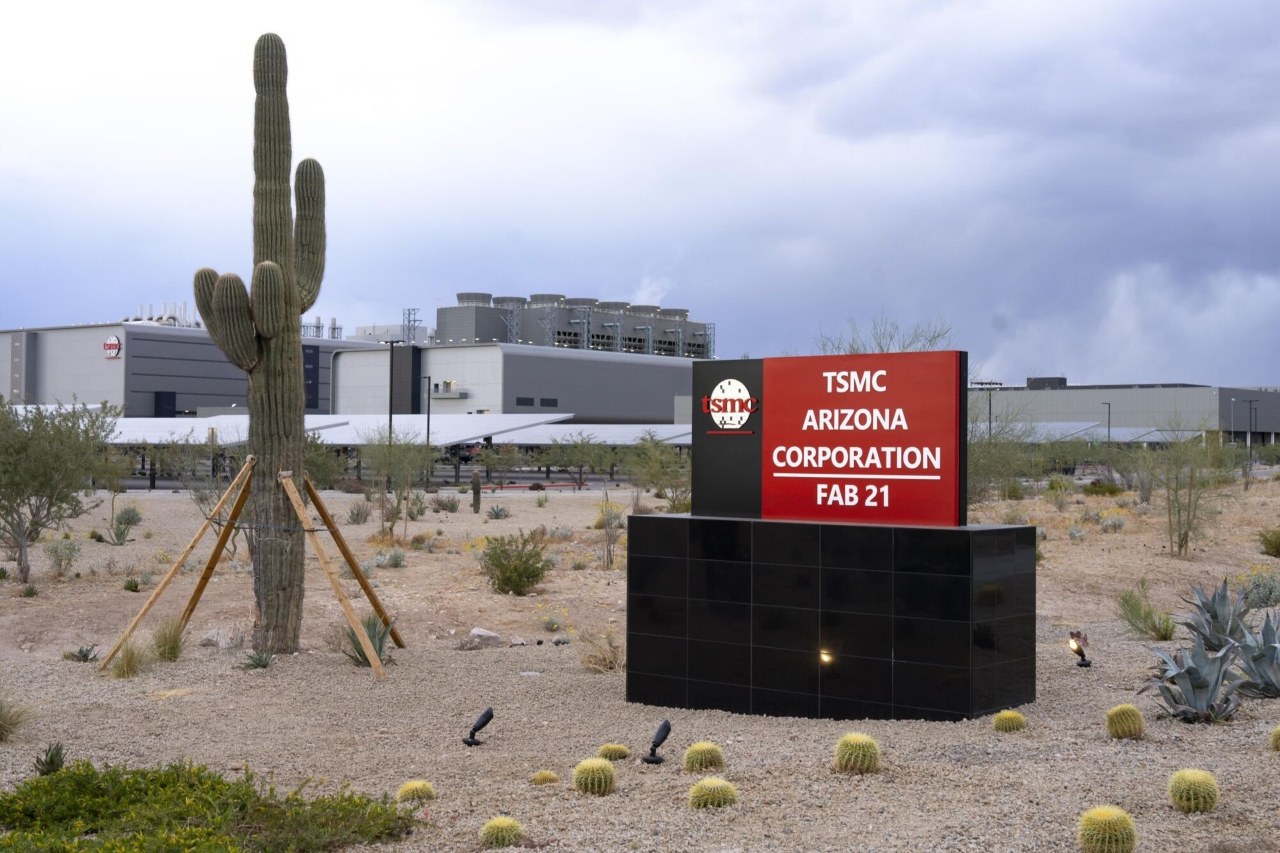
Taiwan Semiconductor Manufacturing Company (TSMC) is significantly expanding its operations in the United States, a move driven by both business opportunities and geopolitical factors. The company, known for its pivotal role in global semiconductor manufacturing, has committed to investing $40 billion in new facilities in Arizona. This expansion marks a strategic shift as TSMC aims to enhance its production capabilities and reduce reliance on its home base in Taiwan.
The decision comes amid increasing concerns about supply chain vulnerabilities and regional tensions in East Asia. TSMC has been a crucial player in providing a “Silicon Shield” for Taiwan, ensuring that the island remains a leading hub in the semiconductor industry. However, the company recognizes the need for a more diversified operational strategy in response to changing geopolitical dynamics.
Significant Investments and Future Plans
TSMC’s latest investment strategy includes the establishment of two advanced chip manufacturing plants in Arizona, scheduled to be operational by 2024. This initiative is expected to create approximately 10,000 jobs and provide a significant boost to the local economy. The company’s expansion into the U.S. aligns with the broader goals outlined by the Biden administration to bolster domestic semiconductor production and achieve greater technological independence.
In a statement, President Joe Biden emphasized the importance of investing in semiconductor manufacturing, highlighting its critical role in national security and economic resilience. The U.S. government has been actively encouraging companies like TSMC to invest domestically, aiming to mitigate the risks associated with over-reliance on foreign supply chains.
Geopolitical Context and Industry Implications
The semiconductor industry is facing unprecedented challenges, with rising demand for chips across various sectors, including automotive, consumer electronics, and telecommunications. TSMC’s expansion reflects a proactive approach to address these challenges while positioning itself favorably in the competitive market.
Additionally, the geopolitical landscape, particularly tensions between the U.S. and China, has heightened the urgency for companies like TSMC to diversify their manufacturing locations. By establishing a stronger presence in the U.S., TSMC aims to safeguard its operations against potential disruptions that could arise from geopolitical conflicts.
The commitment to expand in the U.S. also underscores TSMC’s recognition of the growing collaboration between Taiwan and the U.S. in the technology sector. As both nations seek to strengthen their economic ties, TSMC’s investment is positioned as a cornerstone of this partnership.
In conclusion, TSMC’s decision to invest heavily in U.S. operations signifies a transformative phase for the company. By prioritizing expansion in the U.S., TSMC is not only enhancing its production capacity but also addressing the broader geopolitical and economic challenges posed by an evolving global landscape. This strategic move is expected to reshape the semiconductor industry and reinforce TSMC’s position as a leader in the field.