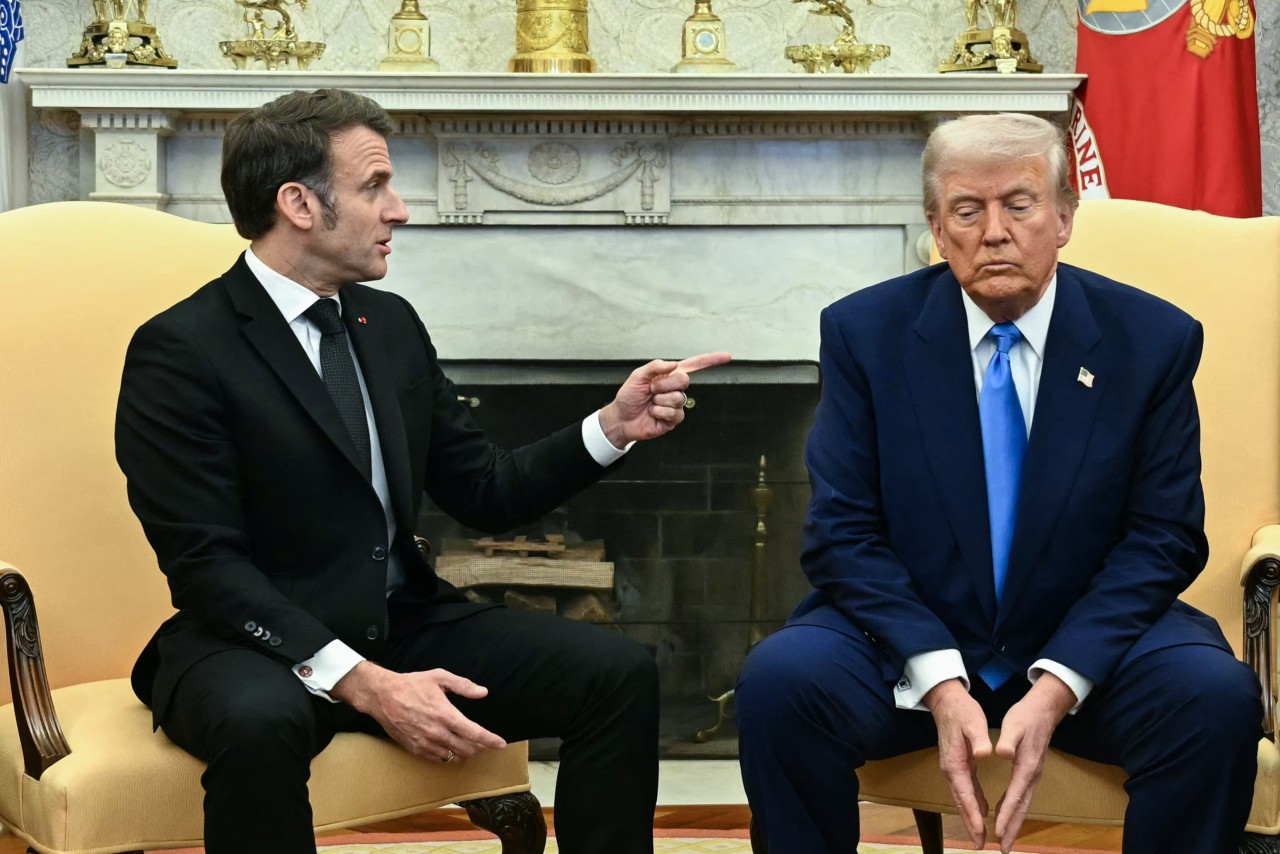
U.S. President Donald Trump has threatened to impose a staggering 200% tariff on French wines in an effort to prompt French President Emmanuel Macron to take a more active role in addressing the ongoing crisis in Gaza. This announcement marks a significant escalation in Trump’s trade tactics, as he seeks to leverage economic pressure to influence international diplomatic actions.
In a press briefing on October 15, 2023, Trump expressed his frustration over what he perceives as inadequate involvement from European leaders, particularly regarding the humanitarian crisis unfolding in Gaza. He emphasized the importance of collective international efforts to restore peace and stability in the region.
Economic Implications of Tariffs
Trump’s proposal to levy a 200% tariff on French wines could have far-reaching effects on international trade relations. France is one of the largest exporters of wine to the United States, with sales reaching approximately $2.9 billion in 2022. A tariff of this magnitude would likely lead to skyrocketing prices for consumers and could significantly impact the French wine industry, which employs thousands in production and distribution.
The president’s comments come amid heightened tensions in the Middle East, where the humanitarian situation in Gaza has drawn widespread condemnation. Trump is urging European nations, particularly those with historical ties to the region, to take a more proactive stance in facilitating peace talks and providing aid.
Greenland Remarks Resurface
Alongside his comments on tariffs, Trump reiterated his interest in acquiring Greenland, arguing that neither Europe nor Denmark can adequately protect the Arctic territory. This claim has resurfaced a discussion that initially began in 2019 when Trump first expressed interest in purchasing the territory from Denmark.
During the briefing, he stated, “If we can’t rely on our allies to protect these strategic areas, then we need to consider our options.” His remarks have prompted a mixed reaction, with some viewing them as a reflection of U.S. strategic interests in the Arctic region, while others criticize the notion of purchasing land from another sovereign nation.
The interplay between trade policies and international diplomacy continues to evolve, with Trump’s administration unafraid to utilize economic measures as a tool for political leverage. As global leaders respond to the complexities of the situation in Gaza, the impact of Trump’s tariffs on French wines may serve as a barometer for the effectiveness of such strategies in prompting meaningful action.
In conclusion, Trump’s threats regarding tariffs and territorial claims serve to highlight the intricate relationship between economic policy and international relations. As the situation develops, the world will be watching closely to see how these bold moves influence diplomatic efforts and trade dynamics.