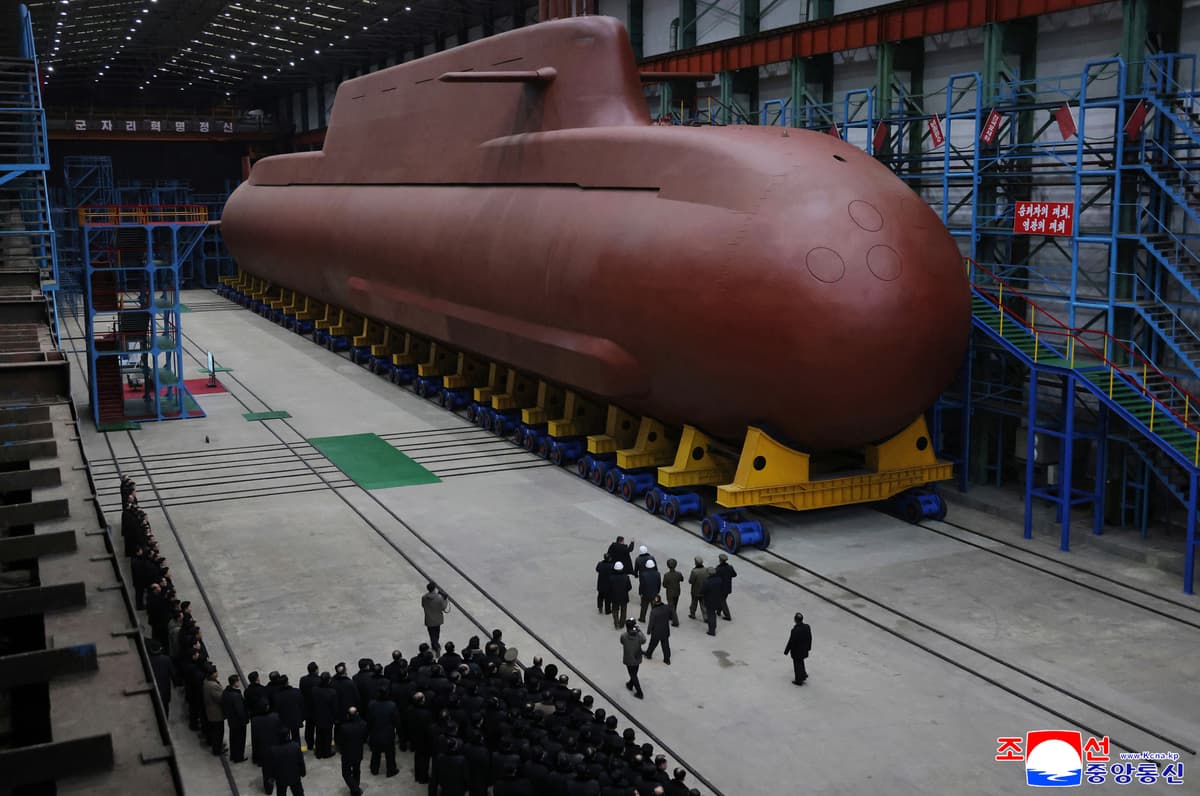
Tensions on the Korean Peninsula are escalating as both North Korea and South Korea advance their nuclear submarine programs. North Korea is reportedly nearing the completion of its first nuclear-powered submarine, while South Korea has announced plans to construct its inaugural nuclear submarine at a shipyard in Philadelphia.
The developments signal a significant shift in military capabilities for both nations, further intensifying the regional arms race. North Korea’s submarine, which officials claim will enhance its deterrence capabilities, is expected to be launched in late 2023. This marks a critical milestone in the nation’s military strategy, aimed at challenging perceived threats from the United States and its allies.
Meanwhile, South Korea’s initiative to build a nuclear submarine is part of a broader defense strategy. The South Korean government confirmed its plans to develop a nuclear-powered vessel as part of efforts to strengthen its navy and maintain regional stability. The project is expected to bolster South Korea’s defense posture amid growing concerns over North Korea’s military advancements.
Strategic Implications of Submarine Programs
The completion of North Korea’s nuclear submarine is anticipated to provide the country with enhanced stealth capabilities and a more effective second-strike option. Analysts suggest that this development could alter the balance of power in the region. North Korea has invested heavily in its military technology, and the introduction of a nuclear submarine could enable it to launch attacks from underwater, complicating defense strategies for neighboring countries.
In contrast, South Korea’s investment in nuclear submarine technology reflects its commitment to modernizing its armed forces. The government aims to ensure that its military can effectively respond to emerging threats. According to defense officials, the South Korean submarine will incorporate advanced technologies to improve its operational capabilities and deterrent effect.
The growing capabilities of both nations are likely to raise alarms among international observers. The United States and other allies in the region may need to reassess their defense strategies in light of these developments. The potential for increased military confrontations in the area could have significant implications for regional security dynamics.
International Response and Future Outlook
Global reactions to the advancing submarine programs have varied. Some nations have expressed concerns over the implications for non-proliferation efforts, while others are closely monitoring the situation. Diplomatic channels remain open, although tensions persist as both North and South Korea continue to assert their military ambitions.
Experts emphasize the need for dialogue to address the underlying issues fueling the arms race. The international community is urged to engage in discussions aimed at mitigating the risks associated with escalating military capabilities in the region.
As both North Korea and South Korea move forward with their submarine projects, the potential for conflict remains a pressing concern. The situation on the Korean Peninsula serves as a reminder of the complexities involved in balancing national security interests with regional stability.