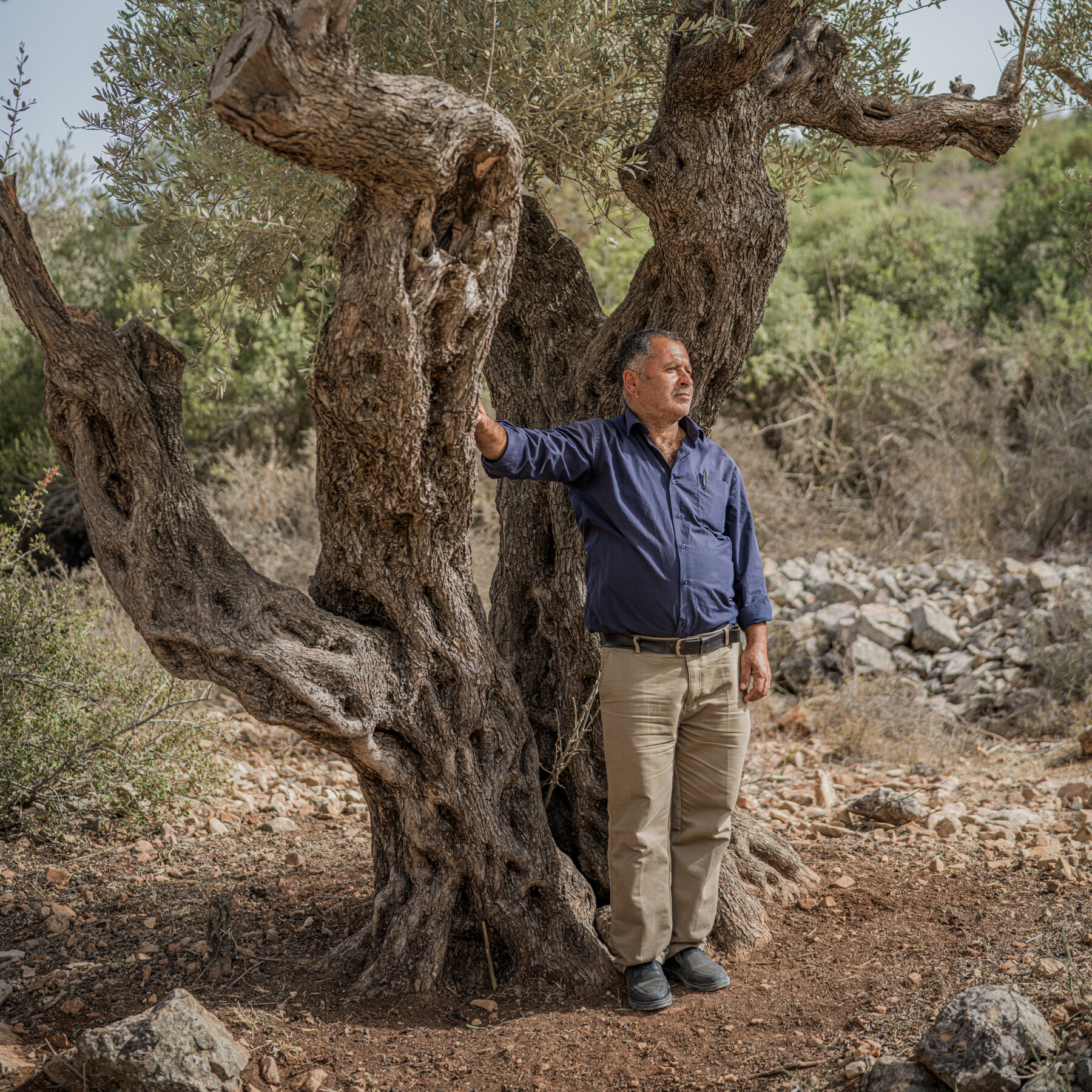
Israel’s government has approved the establishment of 22 new settlements in the West Bank, marking the most significant expansion in decades. This decision has immediate implications, as it is forcing numerous Palestinian families from their homes, further intensifying an already complex and contentious situation.
The announcement made in May 2023 has drawn widespread criticism from various international organizations, including the United Nations and Human Rights Watch. Both entities have expressed grave concerns regarding the impact of these settlements on Palestinian communities and the potential for escalating tensions in the region.
Palestinian families in areas targeted for settlement expansion are facing the prospect of displacement. Many have lived in these regions for generations, and the sudden shift in policy threatens not only their homes but also their cultural identities. Reports indicate that families are already receiving eviction notices, leaving them in precarious situations as they seek refuge and stability.
This surge in settlement activity is part of a broader trend observed in recent years, with the Israeli government prioritizing the expansion of settlements despite international calls to halt such activities. According to data from the Israeli Peace Now organization, the number of settlements in the West Bank has increased significantly, with over 700,000 Israeli settlers now residing there.
The Israeli government’s justification for these settlements often cites security concerns and historical claims to the land. However, critics argue that these expansions violate international law and undermine the prospects for a two-state solution. The continued development of settlements complicates the already fraught relationship between Israelis and Palestinians, creating more obstacles to peace negotiations.
International responses to this settlement expansion have varied. While some countries have condemned the move outright, others have remained silent, leading to debates about the effectiveness of diplomatic efforts to resolve the Israeli-Palestinian conflict. The European Union has reiterated its stance against settlement activity, asserting that it further diminishes the viability of a future Palestinian state.
The humanitarian implications of this situation cannot be overstated. Displacement not only disrupts the lives of those affected but also exacerbates existing tensions within the region. As families are forced to leave their homes, the cycle of conflict and resentment continues to perpetuate, making reconciliation increasingly challenging.
In light of these developments, the international community is urged to take a more active role in addressing the situation. Advocacy groups are calling for renewed discussions aimed at finding a peaceful resolution that respects the rights of both Israelis and Palestinians. With the approval of these settlements, the urgency for meaningful dialogue is more pressing than ever.
The situation in the West Bank remains fluid, and as more information emerges, the full impact of Israel’s settlement expansion will continue to unfold. What is clear, however, is that the lives of many Palestinian families are now irrevocably altered as they confront the realities of displacement and uncertainty.