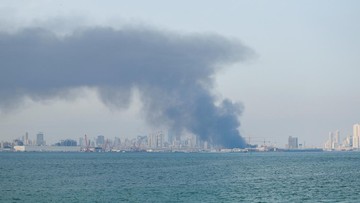
Explosions have been reported across several cities in the Gulf region, including Kuwait, Bahrain, and the United Arab Emirates, following a military retaliation by Iran against American military facilities in the Middle East. These incidents highlight rising tensions in the region, as the aftermath of Iran’s actions reverberates through neighboring countries.
The Iranian government confirmed its attack on October 20, 2023, targeting locations associated with U.S. military operations. This response follows a series of escalating confrontations between Iran and the United States, including recent airstrikes that killed Iranian military personnel.
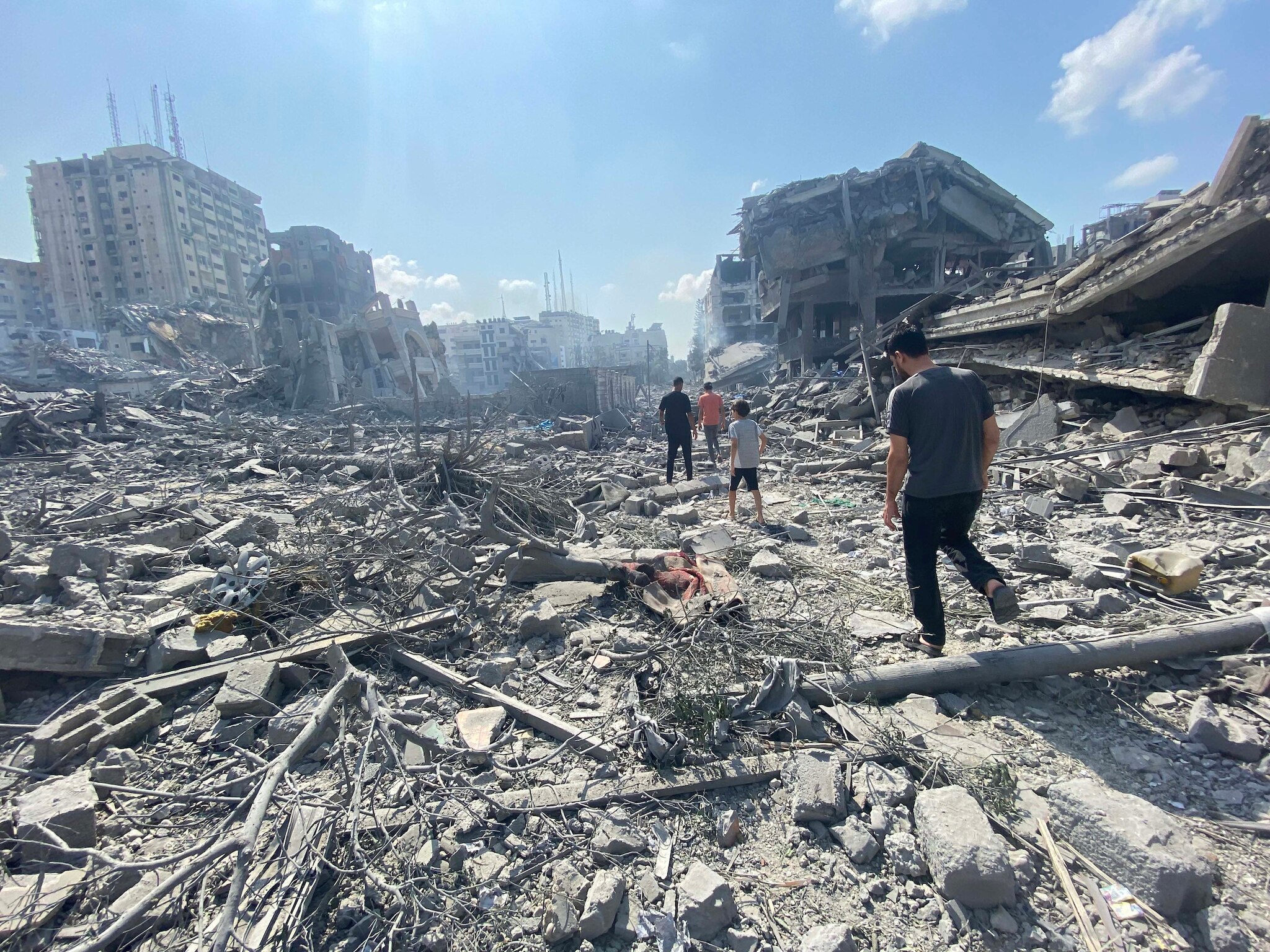
Reports from local authorities indicate that explosions were heard in major cities such as Kuwait City, Manama, and Abu Dhabi. Witnesses described loud blasts that disrupted daily life, with some residents expressing concern over their safety. The exact nature of the explosions remains unclear, as officials investigate whether they are directly linked to Iranian operations or the result of heightened military activity in the area.
Regional Reactions and Security Concerns
The response from Gulf states has been swift, with security forces on high alert across the region. Governments in Kuwait, Bahrain, and the UAE have issued statements urging citizens to remain vigilant. The situation is being monitored closely, with emergency services prepared to respond to any potential fallout from the Iranian military’s actions.
According to the Gulf Cooperation Council (GCC), member states are coordinating efforts to bolster defenses in response to the increasing threat. The GCC’s Secretary-General emphasized the importance of unity among member nations to address the regional security crisis effectively.
Iran’s recent military actions have drawn significant international attention. Analysts warn that further escalation could lead to wider conflict in the region, particularly given the strategic importance of the Gulf to global oil supplies and trade routes.
The United States has condemned the Iranian strikes, with officials reiterating their commitment to protecting American forces and interests in the region. The U.S. State Department has expressed solidarity with Gulf allies, reinforcing military cooperation in light of the recent developments.
Implications for the Global Community
The ongoing situation poses potential risks not only to the Gulf states but also to global stability. Energy markets are particularly sensitive to developments in the region, as any disruption could impact oil prices worldwide. Traders are closely watching the situation, with speculation about potential supply shortages already influencing market dynamics.
As the situation unfolds, the international community continues to call for de-escalation and dialogue. Diplomatic efforts are crucial to prevent a further deterioration of relations that could lead to military confrontation.
In summary, the recent explosions across Gulf cities following Iran’s military retaliation underscore a significant escalation in regional tensions. Governments and international organizations are closely monitoring the situation as they prepare for possible scenarios that may arise in the coming days and weeks.