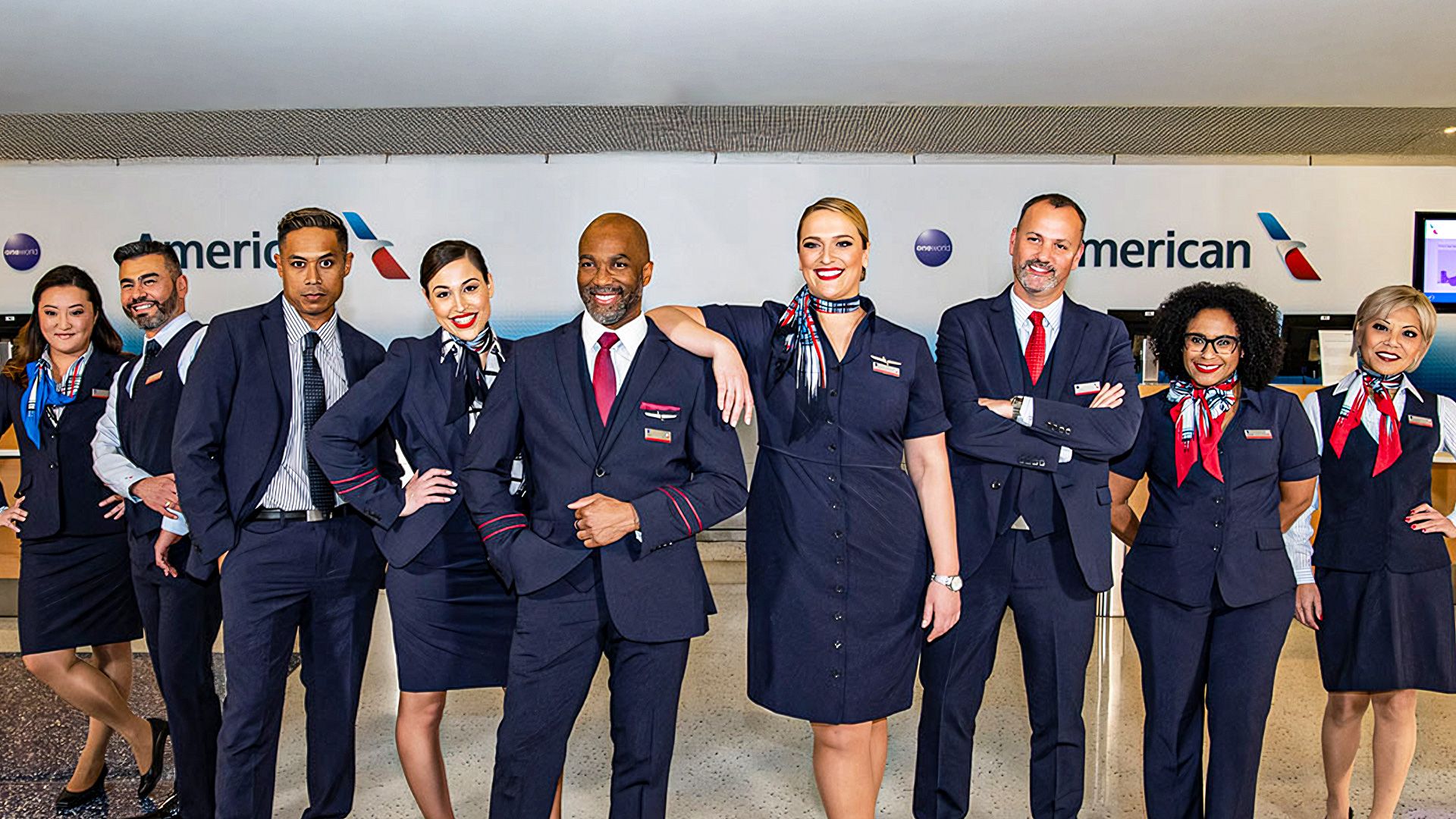
The leadership of American Airlines faces significant unrest as crew members have called for the ousting of CEO Robert Isom. This movement reached a critical point in early February 2024, when the Association of Professional Flight Attendants (APFA) endorsed a unanimous vote of no confidence in Isom. The situation escalated with a protest held outside the airline’s headquarters in Fort Worth, Texas, highlighting the growing discontent among staff.
The crew members’ grievances extend beyond typical labor disputes. They express deep concern over a series of operational failures and unsatisfactory performance metrics that they believe have become unacceptably normalized. This unrest is exacerbated by the recent chaotic recovery from Winter Storm Fern, which left many airline operations in disarray.
According to the APFA, the ongoing issues reflect a broader trend of leadership inadequacies that impact daily operations and employee morale. The union represents thousands of flight attendants and argues that Isom’s management style has not adequately addressed the challenges faced by frontline workers. They feel that operational breakdowns should not be viewed as routine occurrences but rather as significant failures requiring immediate attention.
Operational Challenges and Employee Impact
The airline industry has faced numerous challenges in recent years, particularly during peak travel periods. American Airlines, in particular, has struggled with staffing shortages and fluctuating demand, which have led to increased flight cancellations and delays. Crew members are frustrated that these operational challenges have not resulted in decisive action from leadership.
The APFA has highlighted specific metrics to support their claims. For instance, American Airlines reported a significant rise in customer complaints during the winter travel season, with many passengers expressing dissatisfaction regarding delays and cancellations. The union believes that this reflects poorly on the management team, which has not provided adequate support to employees to navigate these turbulent times.
In response to the vote of no confidence, Isom has defended his leadership, emphasizing the need for resilience and adaptability in a rapidly changing market. He has stated that the airline is committed to improving operational efficiency and ensuring better communication with staff. Nevertheless, his reassurances have not quelled the growing discontent among crew members.
Future Implications for American Airlines
The demand for Isom’s removal raises important questions about the future direction of American Airlines. A transition in leadership could signify a shift in the company’s operational strategy and approach to employee relations, particularly at a time when the airline industry is still recovering from the aftereffects of the pandemic.
As the APFA continues to rally support among its members, the potential for further protests and actions may escalate. The outcome of this situation could have lasting implications for employee morale and the overall effectiveness of American Airlines’ operations.
The airline is urged to consider the voices of its crew members seriously, as their insights are crucial to addressing the operational challenges faced by the company. As of now, the situation remains fluid, and the response from American Airlines’ leadership will be closely monitored by both employees and industry stakeholders.