UPDATE: Tensions escalate between the United States and Iran as President Donald Trump issues a stark warning in response to ongoing protests in Iran. The unrest, now entering its sixth day, follows a dramatic collapse of the Iranian rial, leading to at least seven deaths amid violent demonstrations.
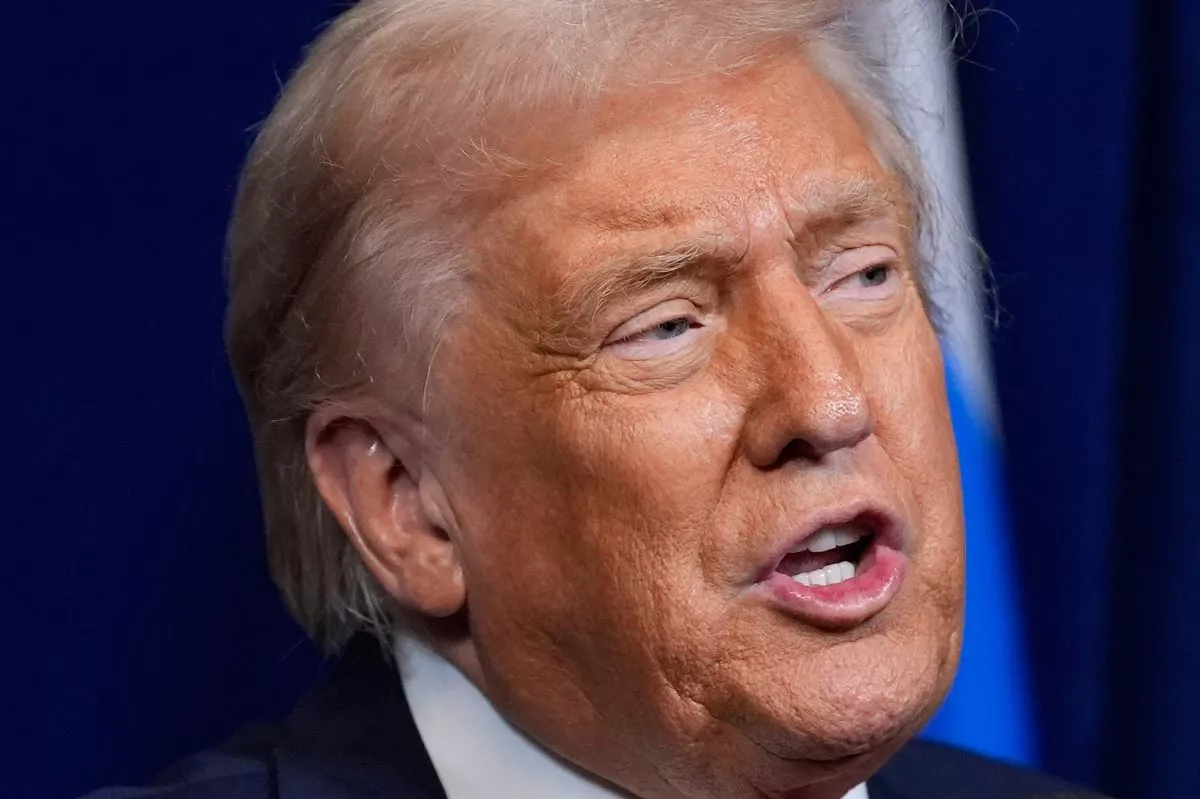
In a post on his Truth Social platform, Trump cautioned Iranian leaders, stating that if they “violently kill peaceful protesters,” the U.S. “will come to their rescue.” His remarks come after the U.S. conducted airstrikes on Iranian nuclear facilities in June, heightening existing tensions.
Iranian officials quickly retaliated. Ali Larijani, the former speaker of Iran’s parliament, claimed on social media platform X that the U.S. and Israel are instigating the protests. “Trump should know that intervention by the U.S. in the domestic problem corresponds (to) chaos in the entire region and the destruction of U.S. interests,” he declared. Larijani’s comments reflect a longstanding narrative from Iranian authorities, who often accuse foreign powers of meddling in domestic affairs.
In a further escalation, Ali Shamkhani, an adviser to Supreme Leader Ayatollah Ali Khamenei, warned that “any interventionist hand that gets too close to the security of Iran will be cut off.” He emphasized that the people of Iran are familiar with the consequences of American intervention, referencing conflicts in Iraq and Afghanistan.
The protests, which are the largest since the unrest following the death of Mahsa Amini in 2022, have seen demonstrators voicing grievances against both economic conditions and the theocratic government. The economic crisis, driven by a dramatic depreciation of the rial—now costing $1 approximately 1.4 million rials—has fueled widespread discontent.
President Masoud Pezeshkian, leading Iran’s civilian government, acknowledged the limits of his authority to address the pressing issues. In an effort to quell unrest, the government has attempted to initiate dialogue with protesters, but the atmosphere remains charged with anger and frustration.
Despite Iran’s announcement to cease uranium enrichment at all sites, signaling a potential openness to negotiations, the situation remains tense. Both Trump and Israeli Prime Minister Benjamin Netanyahu have warned Tehran against reviving its nuclear ambitions.
As the situation develops, the international community is closely monitoring the potential for further conflict. Trump’s urgent remarks and Iran’s aggressive responses raise significant concerns about the stability of the region and the safety of U.S. personnel abroad.
Next Steps: Observers are watching closely for any military actions or diplomatic initiatives in the coming days. The Iranian protests are a critical moment for the country, and how the situation unfolds could have far-reaching implications for U.S.-Iran relations and regional security.