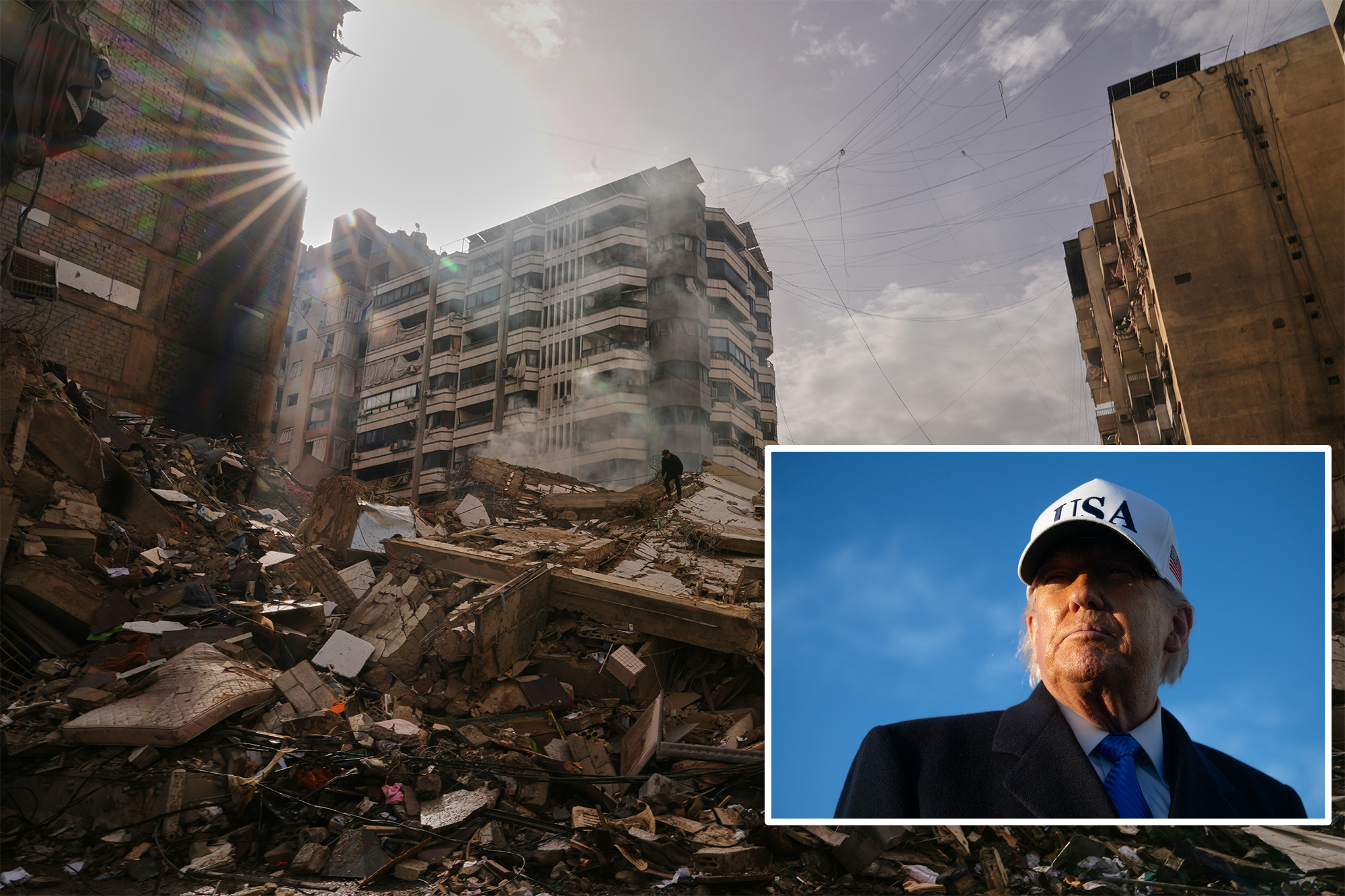
President Donald Trump stated on Saturday that Iran is willing to negotiate a deal to end the ongoing conflict, but he remains hesitant due to what he described as inadequate terms. In a comprehensive 30-minute interview with NBC News, Trump emphasized that any agreement with Tehran must be “very solid” before he would consider concluding the US-Israel military campaign.
During the discussion, Trump raised doubts about the current leadership in Iran, specifically questioning whether the new Supreme Leader, Mojtaba Khamenei, is still alive. Despite this, the President asserted that Iran is eager to reach an agreement, stating, “Iran wants to make a deal, and I don’t want to make it because the terms aren’t good enough yet.”
Central to Trump’s concerns is Iran’s nuclear ambitions, which he insists must be completely relinquished as part of any future deal. He underscored that Iran’s military capabilities, particularly their ability to deploy short-range missiles or mines, could be significantly curtailed.
Trump noted, “The only power they have, and it’s a power that can be closed off relatively quickly, is the power of dropping a mine or shooting a relatively short-range missile.” He confidently added, “But when we get finished with the shoreline, they’re not going to have that power either.”
The President claimed that the United States has already made substantial progress in diminishing Iran’s military assets, stating, “We’ve knocked out most of their missiles. We’ve knocked out most of their drones. We knocked out their manufacturing of missiles and drones, largely. Within two days, it’ll be totally decimated.”
As diplomatic tensions persist, Trump’s remarks highlight the complexities involved in negotiating peace in the region. The insistence on definitive terms reflects a broader strategy aiming to strengthen America’s position while addressing the potential threats posed by Iran’s military capabilities.
The situation remains fluid, and it is clear that the U.S. administration will continue to evaluate the evolving dynamics with Iran as negotiations progress.