Rep. Analilia Mejia’s Historic Win Signals Shift Toward Progressive Policies
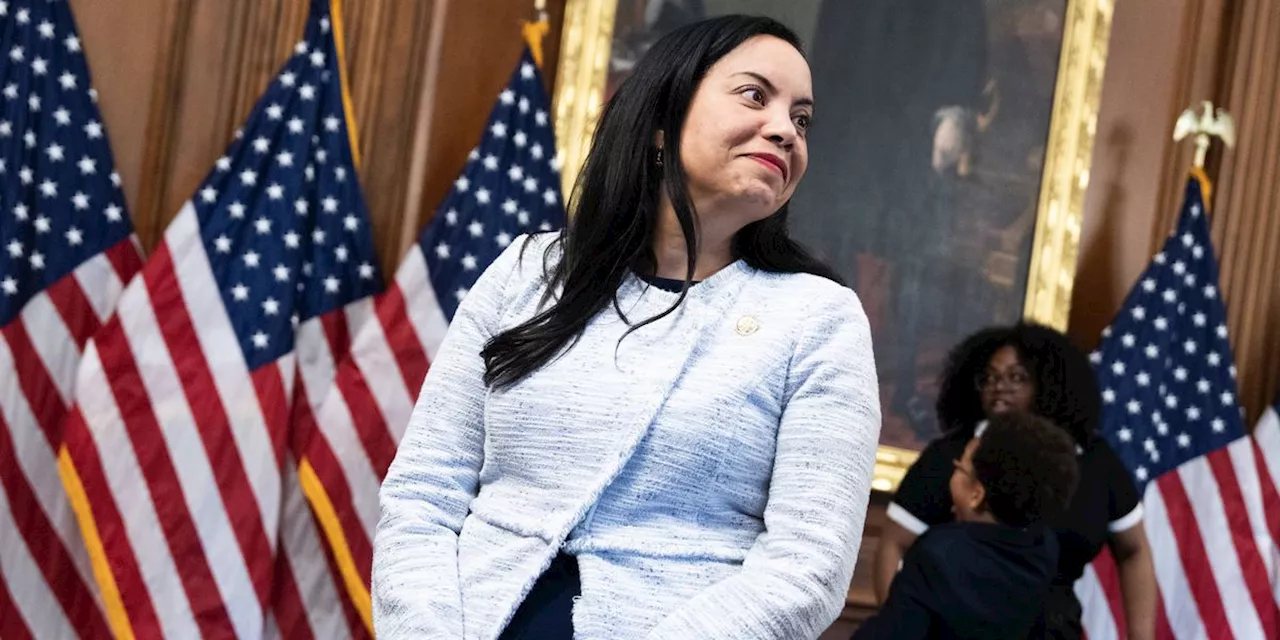
New Jersey’s 11th congressional district just flipped in a major political upset as Rep. Analilia Mejia took office, proving progressive ideas are not just ideological but popular and winning platforms—even in affluent suburban areas long seen as Democratic moderates’ territory.
Mejia clinched the special election to replace moderate Democrat Mikie Sherrill, who left the seat after winning New Jersey’s gubernatorial race. Her victory is already sending shockwaves through the Democratic Party and beyond as she unambiguously champions universal healthcare, corporate tax reform, and bold climate action—policies rebuffed by centrists as “too radical.”
On April 20, Mejia delivered a fiery inaugural address calling on Congress to “stand up, defend, and restore not only our democracy, but also a just economy that actually works for working people.” Her political rise is rooted in economic populism, having served as Bernie Sanders’ 2020 campaign political director and previously co-executive directing the Center for Popular Democracy and leading the New Jersey Working Families Alliance.
Polls consistently show that key progressive platforms are widely supported by the American public—majorities favor taxing corporations and the ultra-wealthy, back Medicare for All over fragmented private insurance, and demand urgent climate solutions. Mejia’s win underscores this national appetite for systemic change, directly challenging the long-held belief that centrism is the only path to electoral success.
Progressive Message Wins Suburban Voters
Mejia’s campaign platform included bold demands, such as abolishing Immigration and Customs Enforcement and condemning Israel’s actions in Gaza as genocide, yet these positions did not alienate the voters of New Jersey’s affluent, suburban district. Instead, she won handily over both Republican and more moderate Democratic challengers.
In November 2026, Mejia will defend her seat against Republican Joe Hathaway, who has branded her a “radical socialist.” But voices inside and outside the party argue that Mejia’s calls for affordability and justice are far from radical and instead reflect the priorities of everyday Americans struggling with economic insecurity.
Centrism in the Democratic Party, exemplified during Vice President Kamala Harris’ 2024 presidential run, has faced criticism for preserving an unsatisfactory status quo. Sharp analysts, like Tressie McMillan Cottom, argue Harris’ failure stemmed from promising little change beyond racial and gender diversity in leadership. Mejia, by contrast, actively embraces her racial and ethnic identity as a source of connection and strength. She is the daughter of a Dominican factory worker and a Colombian seamstress, leveraging her background to build broad coalitions.
What This Means for Montana and the Nation
Although Mejia represents New Jersey, her victory sends a clear message for voters and politicians nationwide, including here in Montana: economic populism and inclusive progressive platforms have substantial crossover appeal. As Montana continues grappling with healthcare costs, climate change impacts, and economic inequality, Mejia’s approach offers a model for bold policymaking paired with grassroots mobilization.
“The policies that really motivate people, that work for working families, are also popular ideas,” Mejia told reporters before the 2022 midterms, underscoring the unity between progressive policy goals and the public’s priorities.
Her success emphasizes that political change demands active participation. “Democracy is not a spectator sport,” she declared. “You have to jump in and participate.” This call to action resonates strongly as national elections approach.
Looking Ahead
Rep. Mejia’s win highlights a pivot in Democratic strategy amid ongoing debates between centrists and progressives. As the 2026 midterm elections near, how candidates across the country adopt or reject her model could shape the future of the party and U.S. politics.
For voters in Montana and nationwide, Mejia’s story is a vivid reminder that embracing transformative, justice-driven platforms can translate into powerful victories—especially when paired with authentic representation and grassroots activism.
Stay with Montana Insider for updates on this developing political shift and what it means for upcoming races in Montana and beyond.