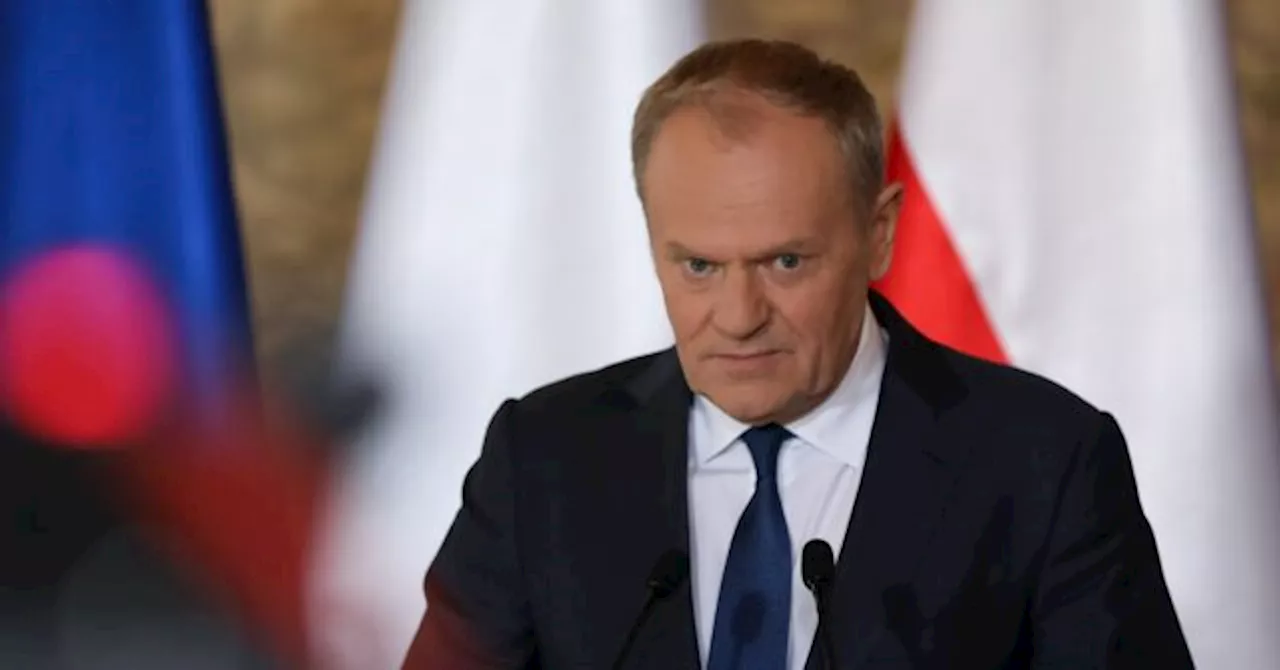
Polish PM Tusk Warns NATO Faces “Disintegration” Over US Troop Reductions in Europe
Polish Prime Minister Donald Tusk has issued a stark warning that the NATO alliance risks disintegration in the wake of the United States’ announced drawdown of around 5,000 troops from Germany over the next year. The Pentagon confirmed the troop relocation as part of a broader repositioning strategy, sparking immediate concerns over the NATO alliance’s cohesion and future.
On Saturday, President Donald Trump suggested the US drawdown from Germany could be significantly larger than initially reported, without specifying additional troop numbers from the roughly 36,000 currently stationed there. Trump also hinted at the possibility of reducing American forces in other European countries, including Italy and Spain, citing dissatisfaction over their responses to the conflict with Iran’s regime.
While the US has not proposed moving forces out of Poland, where approximately 8,500 US troops remain deployed, Tusk stressed the NATO alliance is on a knife-edge.
Donald Tusk said: “The greatest threat to the transatlantic community are not its external enemies, but the ongoing disintegration of our alliance. We must all do what it takes to reverse this disastrous trend.”
Tusk’s alarming assessment comes amid growing doubts about America’s commitment to NATO’s core defense promise—Article 5—which obligates allied nations to defend each other if attacked. Last week, Tusk openly questioned whether the US would remain loyal under its NATO treaty obligations despite repeated assurances from President Trump that the US stands by its allies.
“Europe’s biggest, most important question is if the United States is ready to be as loyal as it is described in our treaties,” Tusk said. “I want to believe that is still valid, but sometimes I have some problems.”
Rethinking European Defense as NATO Wobbles
Tusk has been a prominent figure pushing for a more autonomous European defense posture, advocating for the EU to evolve into a fully-fledged military alliance with its own army. In recent talks with French President Emmanuel Macron, they explored options like extending France’s nuclear umbrella across Europe and even deploying French nuclear weapons on Polish soil.
Macron is actively consulting with other major European powers, including Germany, over the potential stationing of French nukes, a move reflecting deepening concerns about NATO’s reliability amidst US troop withdrawals.
Germany, meanwhile, has vowed to build the continent’s strongest army by 2039, aiming to field 460,000 combat-ready troops. Yet Berlin continues to struggle with recruitment shortfalls, raising questions about its readiness to fill any security vacuum left by US forces.
Implications for the US and Montana Readers
The US realignment signals a significant shift in transatlantic security, potentially leaving key NATO members vulnerable and forcing European nations to reconsider their own defense strategies. For Montana and the wider US, the move underscores a recalibration of American military priorities abroad amid rising global tensions.
Americans must watch closely as these developments unfold, given the strategic importance of NATO’s unity for collective security — especially with threats from Iran and other global hotspots intensifying.
What’s next? NATO leaders face urgent decisions on alliance cohesion, and how to respond to the US troop drawdown. European defense initiatives could accelerate, reshaping transatlantic relations at a critical juncture.
Key Facts
- 5,000 US troops will relocate from Germany within a year
- Approximately 36,000 US soldiers presently in Germany
- 8,500 US troops stationed in Poland remain for now
- Polish PM Donald Tusk warns NATO faces “disintegration”
- Discussions underway to expand French nuclear defense in Europe
The unfolding changes demand immediate attention from policymakers and citizens alike, as the bedrock of Western military security faces unprecedented uncertainty.