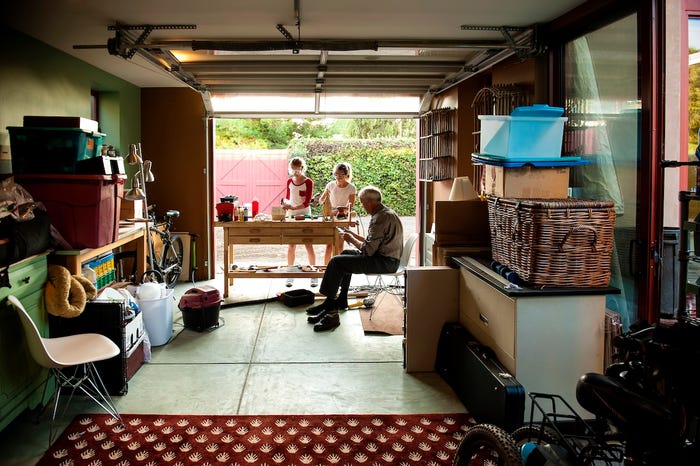
UPDATE: The trend of multigenerational living in the United States is skyrocketing as families confront escalating living costs. New data reveals that the number of people residing in multigenerational households has quadrupled from 7% in 1971 to 18% in 2021, according to a report by Pew Research. This shift reflects profound changes in housing dynamics as financial pressures mount.
The urgency is palpable: families are increasingly opting to cohabitate to mitigate soaring rent and mortgage payments, childcare expenses, and long-term care costs for older relatives. The National Association of Realtors has reported a notable uptick in homebuyers seeking properties designed specifically for multigenerational living, including granny flats and in-law suites. In 2025, searches for these types of accommodations surged on Zillow, underscoring a growing preference for shared living spaces.
With this trend, a significant portion of the population is turning to innovative housing solutions. Many older adults, dubbed “solo-agers,” face unique challenges, as they often lack familial support. Bob Kramer, founder of the National Investment Center for Seniors Housing and Care, highlights this demographic’s predicament, stating, “We have more and more solo-agers who didn’t have children or didn’t get married or basically no longer have a relationship with their children.”
Experts emphasize that intergenerational living can be life-saving, especially for older adults who are at risk of isolation. “The bottom line for solo-agers is that they need community,” says Sara Zeff Geber, a consultant specializing in solo aging. “However creatively or traditionally they can work that out, that’s what they’re going to need if they’re not going to be lonely and isolated and uncared for in their homes.”
Intergenerational living arrangements are gaining traction as a viable alternative. On one end, older homeowners can share their spaces with younger housemates. On the other, purpose-built intergenerational communities are emerging. A notable example is One Flushing in Queens, New York, which features 231 apartments, including 66 reserved for older residents. This complex fosters connections between generations through communal spaces and programs, like local high school students assisting seniors with computer skills.
Despite the promising outlook for intergenerational housing, financial barriers remain a significant concern. Many middle-income individuals find themselves in a tough spot, earning too much to qualify for government benefits yet unable to afford market-rate options. Robyn Stone, senior vice president at LeadingAge, warns, “The thing that’s concerning to a lot of us is that we really don’t have a lot of options for modest-income folks.”
While multigenerational and intergenerational living solutions are on the rise, experts caution that they are not suitable for everyone. There is no one-size-fits-all approach, as individuals across generations have diverse needs, preferences, and budgets. “I don’t think I would want to open my house to anybody if I were living alone,” Stone adds. “But I think that I would want to have more of an intentional intergenerational community as I get older.”
As these trends evolve, stakeholders are urged to consider the growing demand for supportive living arrangements that promote community and connection. Families and individuals navigating these changes are encouraged to share their experiences and insights.
In this rapidly changing landscape, the future of housing in America appears to be shifting towards shared solutions, reflecting a remarkable return to the multigenerational living arrangements that once defined family life. Stay tuned for more updates as this story develops.