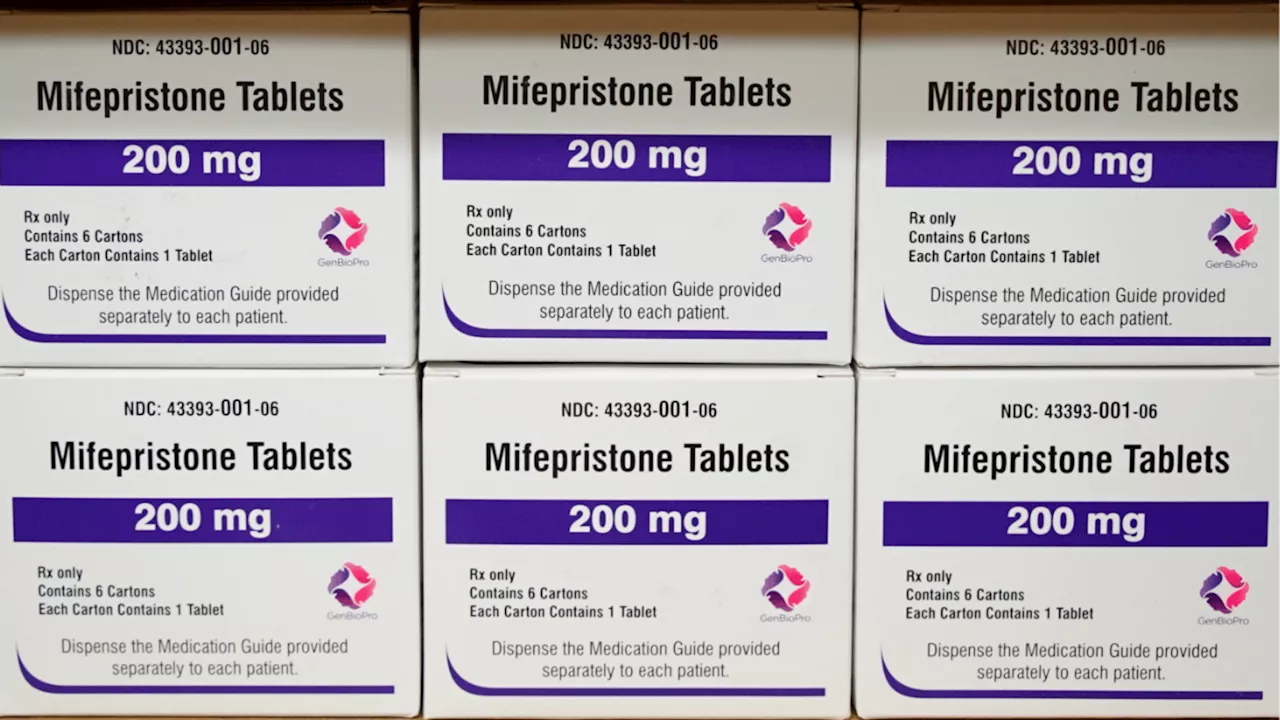
Mifepristone manufacturers have launched an emergency appeal to the Supreme Court to immediately halt a recent ruling that would require the abortion pill to be dispensed only through in-person visits. This move comes just one day after the 5th US Circuit Court of Appeals reinstated this nationwide requirement, disrupting access to the drug that has become a critical option for abortion care across the United States.
The fast-track emergency filing, handed to Conservative Justice Samuel Alito, warns that the ruling unleashes confusion and threatens urgent medical decisions. Danco Laboratories, the maker of mifepristone, told the court their appeal “injects immediate confusion and upheaval into highly time-sensitive medical decisions.”
“What happens when patients arrive for scheduled appointments this weekend and beyond, or walk into pharmacies in New York, Minnesota, Washington, and many other states today to obtain Mifeprex prescribed by a provider yesterday?”
“What should a patient do if she cannot obtain an in-person appointment immediately?”
The company calls on the Supreme Court to issue an administrative stay to block the 5th Circuit’s decision from taking effect while the case proceeds on the merits.
Access Disrupted After Roe Overturn
This legal battle unfolds under the shadow of the Supreme Court’s overturning of Roe v. Wade in 2026, which eliminated the constitutional right to abortion. Since then, medication abortion using drugs like mifepristone and misoprostol has surged, accounting for more than 60% of abortions nationwide, according to the Guttmacher Institute. The COVID-19 pandemic spurred relaxed rules allowing women to receive mifepristone via telehealth, a change the Biden administration finalized last year to ease access after the court’s decision.
The reinstatement of in-person requirements threatens to reverse these gains just as conservative states have banned or severely limited clinic abortions.
States Push Back and Courts Clash
States like Louisiana have actively challenged the Biden-era regulations, arguing they conflict with state abortion bans. Lower courts have so far been split, with a federal district court earlier declining to restrict access pending an FDA safety review. That review, alongside data analyses from independent sources including CNN, show mifepristone is overwhelmingly safe with fewer side effects than common medications like Viagra or penicillin.
Despite the scientific backing, the legal fight continues to center on regulatory control and access, putting millions of people seeking abortion medication at risk of sudden policy changes. Pharmacies and clinics in states such as New York, Minnesota, and Washington face immediate uncertainty about whether to dispense the drug, leaving patients scrambling for appointments they may not quickly secure.
What Happens Next?
The Supreme Court’s decision on whether to grant the emergency pause is expected soon, potentially restoring telehealth access to mifepristone or allowing the in-person mandate to take effect nationwide. Legal experts warn the ruling will have far-reaching consequences for abortion access, telemedicine use, and state vs. federal regulatory power.
For Montanans and Americans relying on medication abortion, the developments threaten to immediately impact how, where, and whether they can obtain care.
Danco’s emergency petition spotlighted the urgent human element: without quick Supreme Court intervention, people needing timely access to the abortion pill face “immediate confusion and upheaval” that can delay or block their care completely.
Montana, like many states with restrictive abortion laws, depends heavily on medication abortions as clinical options narrow. The Supreme Court’s response in the coming days will shape the real-world availability of abortion care across the country.