Mi-17 Helicopters Deploy 27 Militia Near Myanmar Conflict Zone
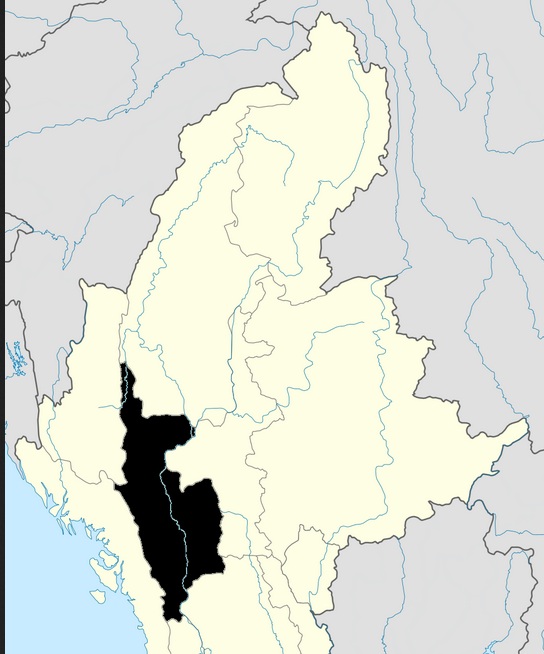
Strong military reinforcements landed at a strategic outpost in northern Myanmar today as tension escalates in the region. Two Mi-17 military transport helicopters, operated by the State Security and Peace Commission (SSPC), arrived at the Hintharwadi village in Gangaw township, Magway Region, at around 11:51 a.m., delivering 27 Pyusawhtee pro-military militia fighters in what experts call a major buildup ahead of potential military operations.
According to local sources and initial reports from Yaw Atlinn news outlet, 13 militia members were transported to the Light Infantry Battalion (LIB) 228 base in Kalay during the first helicopter sortie. The second landing airlifted another 14 fighters to LIB 89 also located near Kalay, a key regional hub.
The deployment follows the military’s recent reported recapture of Falam town in Chin State and signals possible preparation to regain control over the critical Gangaw–Kalay Union highway, a vital supply and transit route. Observers note a growing pattern of combined operations between government forces and allied local militias, which could indicate an imminent offensive in the area.
Ongoing Troop Movements Signal Strategic Build-Up
Additional reports reveal that on the night prior, several militia members from villages east of the Myittha River crossed into the Hintharwadi area, reinforcing the buildup near this key military outpost. This influx points to increasing coordination between pro-military forces and local militias in a concerted effort to solidify territorial gains and suppress opposition activity along major corridors.
Experts tracking the conflict warn that the intensifying troop movements could soon translate to renewed clashes or a larger-scale offensive, raising concerns over further destabilization in the region. The situation remains fluid, with military deployments happening rapidly and without official international commentary at this time.
What This Means for Regional Stability
This military activity is a stark reminder of the ongoing instability in Myanmar and the fragility of peace in contested border and interior regions. For U.S. and international observers, the focus is on how these developments might affect broader security dynamics and humanitarian conditions in Southeast Asia. Increased militia activity around critical transport routes threatens to disrupt commerce and could trigger forced displacement of local civilian populations.
Montana readers interested in global security should note the parallels seen in insurgency and militia coordination elsewhere, highlighting the importance of monitoring how local proxy forces impact larger geopolitical conflicts. This escalates concerns around regional supply chains, international response strategies, and the prospects for peace.
Watch for Further Developments
The deployment marks a significant step in military consolidation in northern Myanmar on 4 May 2026. Intelligence sources and local news outlets emphasize this as a breaking development with potential rapid follow-up.
Reader attention is advised as new updates are expected to surface regarding troop movements, militia activity, and government operations in the coming hours and days. Montana Insider will continue delivering timely and verified information on this evolving conflict to ensure our audience stays informed about critical global flashpoints with potential ripple effects worldwide.
“The growing presence of Pyusawhtee militia in coordinated military actions signals preparations for intensified control efforts along the Gangaw-Kalay highway,” said a local analyst.