UPDATE: Deobra Redden, the Las Vegas defendant notorious for vaulting over a judge’s bench in a viral courtroom incident, is urgently petitioning the Nevada Supreme Court for a new trial. Redden argues his constitutional right to effective counsel was violated due to his trial lawyer’s poor performance. This dramatic move comes shortly after his December sentencing to a staggering 26 to 65 years in prison for a violent attack that shocked the community.
In a brief filed on December 22, 2024, public defender Kelsey Bernstein claimed that trial attorney Carl Arnold “failed to file any pretrial litigation” and essentially “abandoned his client on appeal.” Bernstein emphasized that Redden pleaded guilty “without any negotiations,” thereby gaining nothing beneficial from his plea deal. She argues that Arnold’s actions were “objectively unreasonable,” stripping Redden of a fair defense.
Arnold has countered these claims, stating he provided pro bono representation to Redden’s family and that Redden chose to resolve the case after considering the testimony presented. Subsequently, the Nevada Supreme Court removed Arnold from the appeal and referred him to the State Bar for review, imposing a $250 sanction as the disciplinary matter unfolds, as reported by the Las Vegas Review-Journal.
The infamous courtroom chaos erupted on January 3, 2024, at the Clark County Regional Justice Center, when Redden suddenly leapt across the courtroom, attacking District Judge Mary Kay Holthus. The shocking event resulted in injuries to Judge Holthus, a courtroom marshal, and a police officer, with video footage rapidly spreading online.
Redden later pleaded guilty but mentally ill to attempted murder and related charges in September 2024. His December sentencing mandates he remains incarcerated until at least 2050, raising serious concerns about his mental health and courtroom safety.
Winning an ineffective-assistance claim is notoriously challenging. To succeed, Bernstein must demonstrate that Arnold’s alleged deficiencies significantly impacted the trial’s outcome, as per the two-part Strickland test established by the U.S. Supreme Court. This places a high burden on Redden’s legal team.
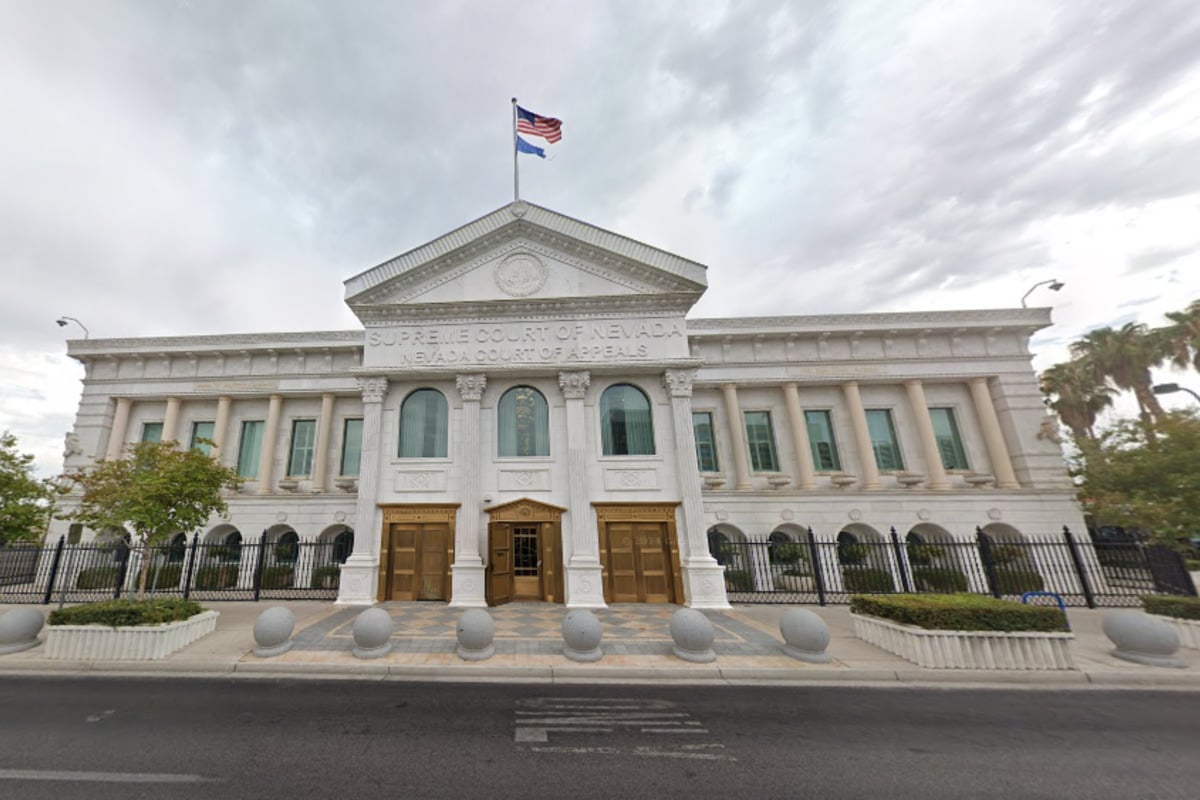
The Nevada Supreme Court now faces the critical decision of whether to reverse Redden’s convictions or order a new trial. Their ruling could take months, during which the implications of Redden’s actions continue to resonate throughout the community.
This appeal has reignited urgent discussions about the mental health treatment of defendants within the criminal justice system, courtroom security protocols, and the responsibilities of judges when handling individuals with serious psychiatric conditions. As the Nevada Supreme Court deliberates, the eyes of local victims and law enforcement are fixed on whether Redden will receive a second chance in court.
Stay tuned for developments on this ongoing case as the legal battle unfolds.