Tensions escalated dramatically in the Middle East as Israel launched a series of military strikes in response to Iranian aggression following the assassination of Ayatollah Ali Khamenei. The Iranian military retaliated with missile and drone attacks targeting major cities, including Tel Aviv, on March 10, 2024. Air-raid sirens echoed throughout the city as residents sought shelter, marking a significant escalation in the ongoing conflict.
The Israeli Defense Forces (IDF) reported that their operations aimed to neutralize threats posed by Iranian forces, which have intensified their activities in the region. The strikes were described as a necessary measure to protect Israeli citizens from the imminent danger of Iranian attacks. In a statement, an IDF spokesperson emphasized the need for swift action, stating, “We will not allow Iran to destabilize our security.”
In response, Iran’s military asserted that it would not tolerate what it termed “aggressive actions” by Israel. Official statements from the Iranian government indicated that they would continue to retaliate aggressively to any attacks. This cycle of violence follows the recent turmoil surrounding Khamenei’s death, which has left a power vacuum and heightened tensions among various factions within Iran.
International Reactions and Implications
The international community is closely monitoring the situation. The United Nations called for restraint from both sides, urging dialogue to prevent further escalation. The UN Secretary-General stated, “This conflict risks spiraling out of control, and we must prioritize diplomatic solutions to ensure stability in the region.”
Analysts suggest that Khamenei’s death could lead to increased volatility, as various groups vie for power within Iran. This uncertainty may provoke further military engagements as both Iran and Israel seek to assert their influence.
Regional allies have also expressed concern. Countries such as Saudi Arabia and the United Arab Emirates fear that a prolonged conflict could destabilize the entire Gulf region. A spokesperson for the Saudi government remarked, “We stand ready to support measures that promote peace and security.”
Human Impact and Ongoing Concerns
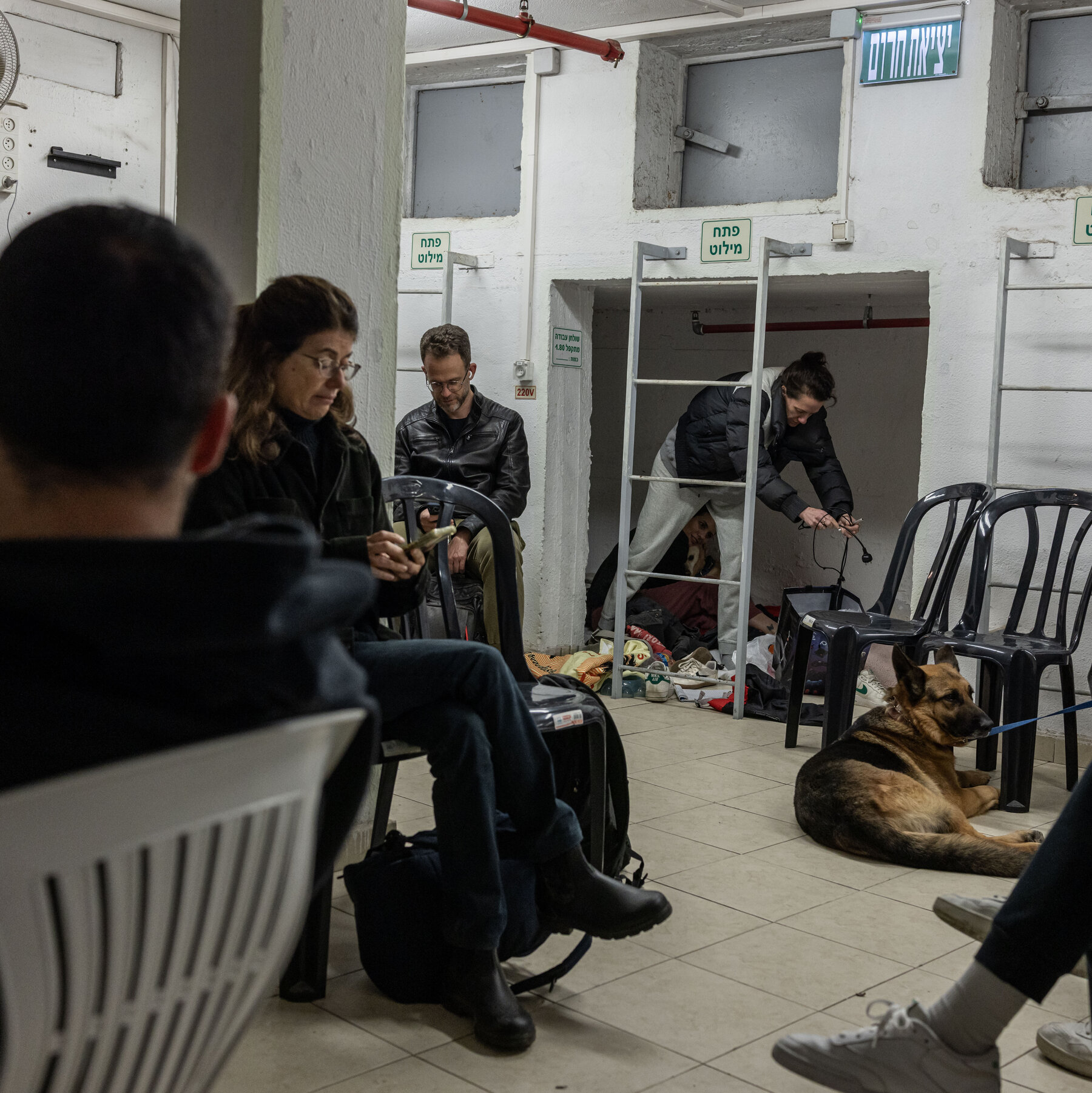
The ongoing military actions have had dire consequences for civilians caught in the crossfire. Reports indicate that multiple casualties have occurred in both Israel and Iran, with many residents facing the psychological toll of continuous conflict. In Tel Aviv, families have been forced to adapt to life under threat, with many seeking refuge in underground shelters during air alerts.
Local humanitarian organizations are mobilizing to provide assistance to those affected. One aid worker noted, “The situation is dire. People are living in fear and uncertainty. We must do everything we can to support those who have been impacted.”
As military operations continue, the potential for a broader conflict looms large. Both nations are entrenched in their positions, with little sign of compromise. The situation remains fluid, and the international community is urged to engage proactively in seeking a resolution to avoid further loss of life and regional instability.