UPDATE: The Iowa Supreme Court is currently deliberating a critical estate case that could determine the fate of a $10.9 million bequest intended for a cancer center in Charles City, Iowa. Arguments were presented this morning, February 18, 2025, as legal teams for both Floyd County Medical Center (FCMC) and Mayo Clinic laid out their positions regarding the late Herman Stille‘s will.
The decision has immediate implications for cancer care in the region, as it will dictate whether the funds will support a much-needed cancer treatment facility or be redirected to Mayo Clinic for Alzheimer’s research. The stakes are high, and the outcome may significantly impact healthcare options for local residents.
The core of the dispute revolves around the conditions outlined in Stille’s 2017 will. It specifies that the funds are to be used to establish a cancer center equipped with essential services, including an oncologist on staff and facilities for radiation and chemotherapy. However, if FCMC loses its independent status as a hospital, the bequest would shift to Mayo Clinic. Stille passed away in September 2020, and since then, this estate case has sparked a protracted legal battle.
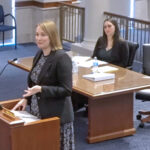
During today’s hearing at the Iowa Judicial Branch Building in Des Moines, justices questioned the applicability of a decades-old ruling on charitable gifts. Justice Thomas Waterman noted that Chief Justice Susan Christensen, who is attending a council meeting, will be monitoring the proceedings from afar.
FCMC’s attorney, Jennifer Lindberg, argued that Stille’s intent was clear: he wanted the funds to support a local facility. “It’s undisputed that the money available in the will would be sufficient to provide a comprehensive cancer center,” she stated. Lindberg emphasized that Stille, a farmer with no medical background, could not have anticipated the regulatory hurdles preventing FCMC from providing radiation therapy.
Conversely, Mayo’s attorney, Eric L. Maassen, contended that the district court erred in allowing FCMC to bypass the conditions of the will. He argued that the failure to provide radiation therapy constitutes a breach of the stipulated terms, asserting, “This case arises out of FCMC’s inability to include radiation therapy in its proposed cancer treatment center.”
Justice Christopher McDonald pressed Maassen on the implications of the hospital’s continuing independent status, questioning whether Mayo could claim the funds if neither party satisfies the will’s conditions. Maassen acknowledged the current independence of FCMC but insisted that Stille intended for the funds to go to Mayo if FCMC could not fulfill the conditions.
The justices also examined whether state regulations could excuse FCMC from its inability to provide radiation treatment. Justice Waterman highlighted the importance of the word “must” in Stille’s will, suggesting the conditions should be strictly enforced.
As the Supreme Court takes the case under advisement, the timeline for a decision remains uncertain. The court could affirm the district court’s ruling, overturn it, or send the case back with instructions for further proceedings.
This ruling will not only dictate the future of cancer treatment in Floyd County but also reflect the intentions of a donor whose legacy is at stake. The community is anxiously awaiting the outcome, which could reshape local healthcare services significantly.