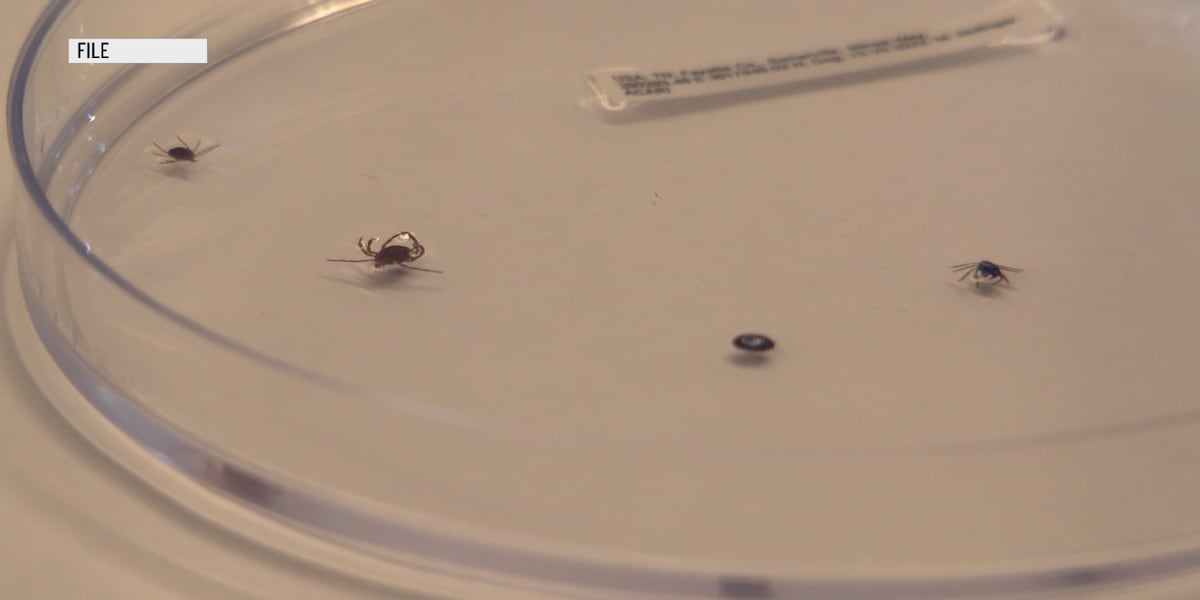
Arkansas Tick Season Triggers Spike in Rare Alpha-Gal Syndrome
Ticks are swarming across Arkansas this spring, with health officials warning about a rapid surge in Alpha-Gal Syndrome, a little-known but severe allergic reaction to red meat caused by tick bites. New data from the Arkansas Department of Health reveals confirmed and probable Alpha-Gal cases skyrocketed from 70 in 2023 to 344 in 2024, with 249 cases reported so far in 2025.
Dr. Shane Speights, Dean at the New York Institute of Technology at Arkansas State, cautions that ticks, including Dog, Deer, Gulf Coast, and Lone Star ticks, are now found nearly statewide, especially in wooded areas near large water bodies like the Spring River. The Lone Star Tick is of particular concern as it carries a molecule that can trigger Alpha-Gal Syndrome, a delayed allergic reaction to consuming red meat such as steak or hamburger.
Rapid Rise in Cases Signals Growing Public Health Risk
“The allergy can provoke violent sickness after eating a small amount of red meat,” Dr. Speights said. “Although it affects a smaller percentage of individuals, the reaction can last for many years and severely disrupt quality of life.”
Alongside Alpha-Gal Syndrome, ticks in Arkansas still pose risks for serious illnesses like Rocky Mountain spotted fever and Lyme Disease. Common symptoms after a tick bite include fever, chills, body aches, and rash.
Critical Prevention and Immediate Response Measures
Dr. Speights urges anyone who finds a tick attached for over 36 hours to seek medical attention immediately as antibiotics may be necessary to prevent infection. He stresses careful tick removal using tweezers to avoid leaving parts behind.
“You should remove the tick by carefully lifting it with tweezers and pulling gently to avoid infection,” he said.
Preventive steps include wearing light-colored clothing, long pants, high socks, and boots to reduce tick exposure. Officials also recommend avoiding tall grass and showering within two hours after outdoor activities.
Implications Beyond Arkansas for Outdoor Enthusiasts Nationwide
The alarming increase in Alpha-Gal Syndrome cases is a critical alert not only for Arkansas but also for outdoor lovers across Montana and the broader United States. As more Americans embrace outdoor activities this season, awareness and protection against tick bites have never been more urgent.
Montanans and others are advised to stay vigilant, especially in wooded or river areas where ticks thrive. Early detection and prevention remain key to avoiding severe health complications linked to tick-borne diseases and allergies.
What’s Next?
Public health authorities in Arkansas and beyond are monitoring the situation closely. Further research on Alpha-Gal Syndrome is underway to improve diagnosis and treatment. Outdoor enthusiasts nationwide should take immediate protective measures and consult medical professionals if symptoms arise after tick exposure.
Stay updated on tick activity alerts and health advisories for your region as the season progresses.