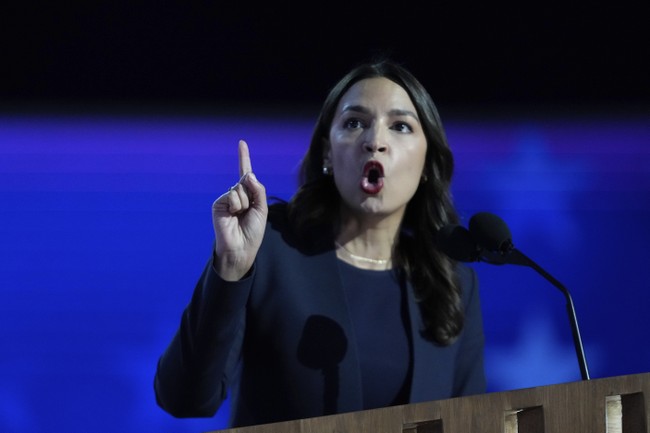
Tensions escalated between U.S. Congresswoman Alexandria Ocasio-Cortez and Senator JD Vance regarding the treatment of Immigration and Customs Enforcement (ICE) agents in Minneapolis. Vance’s recent social media post detailed an incident in which off-duty ICE and Customs and Border Protection (CBP) officers faced harassment while dining at a restaurant. According to Vance, their location was disclosed, leading to a mob at the venue and leaving the officers unable to leave until assistance arrived from federal colleagues.
Vance criticized local authorities for allegedly failing to respond to the officers’ pleas for help. He claimed that the lack of cooperation from state and local officials with immigration enforcement has exacerbated chaos in the area, particularly highlighting a recent tragic shooting incident that he believes could have been avoided with proper enforcement of immigration laws.
Ocasio-Cortez responded to Vance’s assertions, emphasizing her disagreement with his perspectives on constitutional rights and public safety. She expressed concern over the framing of immigration enforcement and its consequences, stating that the current approach endangers lives rather than protects them. Her comments sparked a heated exchange on social media, where both politicians aired their views.
In his response, Vance characterized Ocasio-Cortez’s remarks as an attempt to defend what he sees as violence against ICE agents, referencing specific incidents of gun violence. He stated, “You are defending the open killing of everyday Americans for exercising their constitutional rights,” referring to shootings that have garnered public attention. Vance further criticized her for allegedly promoting divisive rhetoric and failing to acknowledge the consequences of such actions.
Ocasio-Cortez’s supporters and critics alike have taken to social media to voice their opinions on the matter. The debate underscores a broader national conversation about immigration policy, law enforcement, and the treatment of federal agents. Vance’s comments have resonated with those who advocate for stricter immigration enforcement, while Ocasio-Cortez’s position appeals to those who call for reform and protection of constitutional rights.
The discussion reflects ongoing divisions in U.S. politics regarding immigration and the role of federal agencies in local communities. As politicians continue to navigate these contentious issues, the discourse surrounding ICE and its agents remains a focal point of national debate.
In a polarized climate, both Ocasio-Cortez and Vance will likely continue to engage in public discussions that emphasize their differing philosophies on governance and public safety. The implications of their exchanges extend beyond social media, influencing public opinion and potentially shaping future policies on immigration enforcement in the United States.