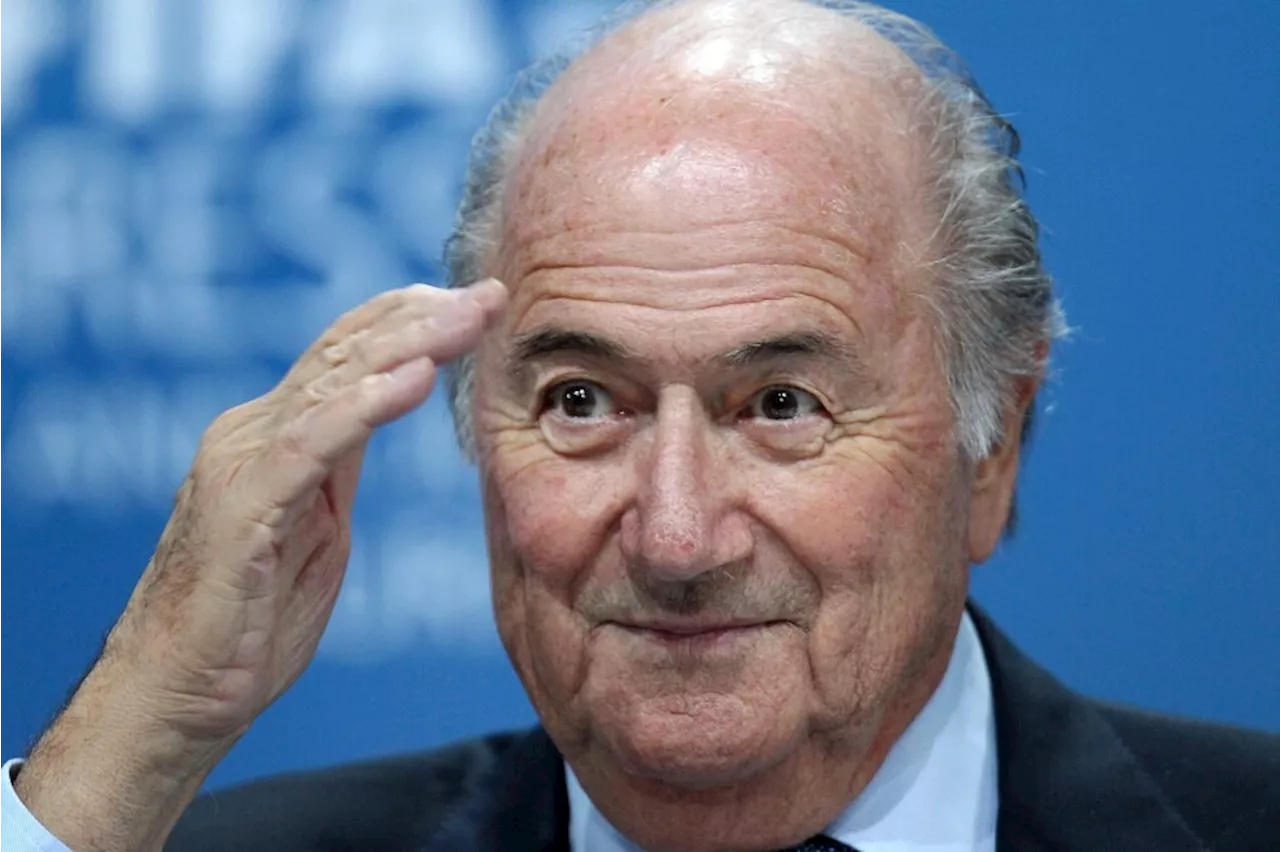
Former FIFA president Sepp Blatter has endorsed a proposed boycott of the upcoming World Cup matches scheduled for March 2026 in the United States. Blatter’s call for action stems from concerns surrounding the conduct of current U.S. President Donald Trump and his administration, both domestically and on the international stage. This marks a significant moment as Blatter joins several prominent figures in international soccer questioning the appropriateness of the United States as a host nation for such a prestigious event.
In a statement, Blatter expressed that the political climate under Trump’s leadership raises serious concerns regarding human rights and social justice. He emphasized that these issues could undermine the values that the World Cup represents. The former FIFA chief’s sentiments resonate with many fans and activists who have voiced their discontent with Trump’s policies, particularly regarding immigration and foreign relations.
Blatter’s remarks come amid heightened scrutiny of the U.S. as a viable venue for the World Cup. Critics argue that the nation’s political environment is not conducive to the spirit of global unity and sportsmanship that the tournament aims to promote. The call for a boycott has gained traction on social media, with various fan groups rallying in support of the movement.
The backdrop of this controversy is multifaceted. NATO Secretary-General Jens Stoltenberg recently remarked on the importance of U.S. military support for Europe, adding another layer to discussions about U.S. leadership on the world stage. While the U.S. prepares to host millions of soccer fans for the World Cup, Blatter’s comments have ignited a passionate debate over the intersection of sports and politics.
As preparations for the World Cup continue, the impact of this proposed boycott could resonate far beyond the soccer field. If the movement gains significant momentum, it could lead to a substantial disruption of ticket sales and attendance, affecting not only the event’s financial success but also its global image.
While the FIFA organization has yet to respond officially to Blatter’s statements, the former president’s involvement highlights the ongoing tensions surrounding the event. Many within the soccer community are paying close attention to how this situation unfolds, as it could influence the overall atmosphere leading up to the tournament.
The World Cup is one of the most anticipated sporting events globally, drawing attention from billions of fans. As the controversy evolves, it remains to be seen how this proposed boycott will shape the narrative leading up to the matches in the United States. With passionate opinions on both sides, the upcoming months will be critical in determining the impact of political sentiments on the world of sports.