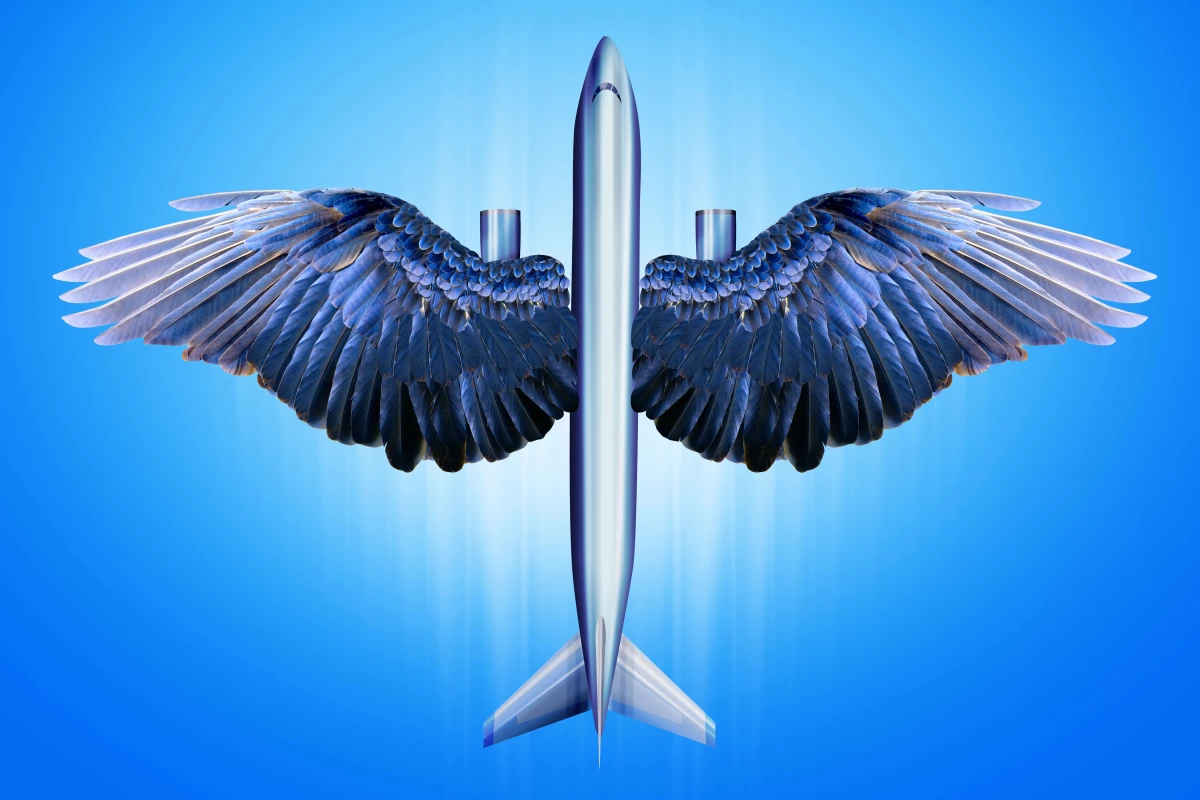
Engineers are making significant strides in technology by drawing inspiration from nature, showcasing remarkable biomimicry advancements in 2025. Innovations this year include water-skipping robots and cooling materials modeled after elephant skin. These developments highlight an ongoing trend where understanding animal movement, behavior, and evolution directly influences the design and functionality of modern technology.
Biomimicry is not a new concept; it has informed inventors for centuries. Historical figures like Leonardo da Vinci studied bird physiology in the late 1400s to inform his flying machines. Today, as the need for more efficient technologies grows, the relevance of biomimicry becomes even more pronounced. Engineers are increasingly looking to the natural world for solutions to complex challenges in robotics, energy efficiency, and materials science.
Innovations Inspired by Nature
One standout example of biomimicry in 2025 is the development of robots capable of skipping across water surfaces, mimicking the natural movements of certain animals. These robots promise to enhance search and rescue operations, environmental monitoring, and even recreational activities. By replicating the efficiency of animal locomotion, engineers are creating machines that can traverse difficult terrains with ease.
Additionally, researchers have created cooling materials inspired by the skin of elephants. These materials are designed to regulate temperature more effectively than traditional options, making them ideal for applications in building construction and electronic devices. The elephant’s ability to maintain a stable body temperature in extreme conditions serves as a blueprint for enhancing energy efficiency across various sectors.
As the world embraces an era of advanced robotics and flight, the focus on biomimicry is expected to intensify. The combination of nature-inspired design and cutting-edge technology could lead to more sustainable and effective solutions. Engineers are now equipped with a deeper understanding of biological systems, allowing them to innovate in ways that were previously unimaginable.
The Future of Technology and Nature
Looking forward, the integration of biomimicry into technological development is likely to play a crucial role in addressing global challenges. As industries strive for sustainability, the demand for energy-efficient solutions will only increase. By harnessing the principles of biomimicry, engineers can create technologies that not only meet human needs but also respect and preserve the environment.
The progress made in 2025 underscores a critical shift in how technology and nature can coexist. By studying and emulating the strategies developed by millions of years of evolution, inventors are poised to create a future where technological advancements are seamlessly integrated with the natural world. This approach not only benefits humanity but also fosters a greater appreciation for the intricate designs found in nature.
In conclusion, the remarkable biomimicry developments of 2025 exemplify the potential for nature-inspired innovation to reshape our technological landscape. As engineers continue to explore the intricacies of animal behavior and adaptation, the possibilities for future advancements remain limitless.