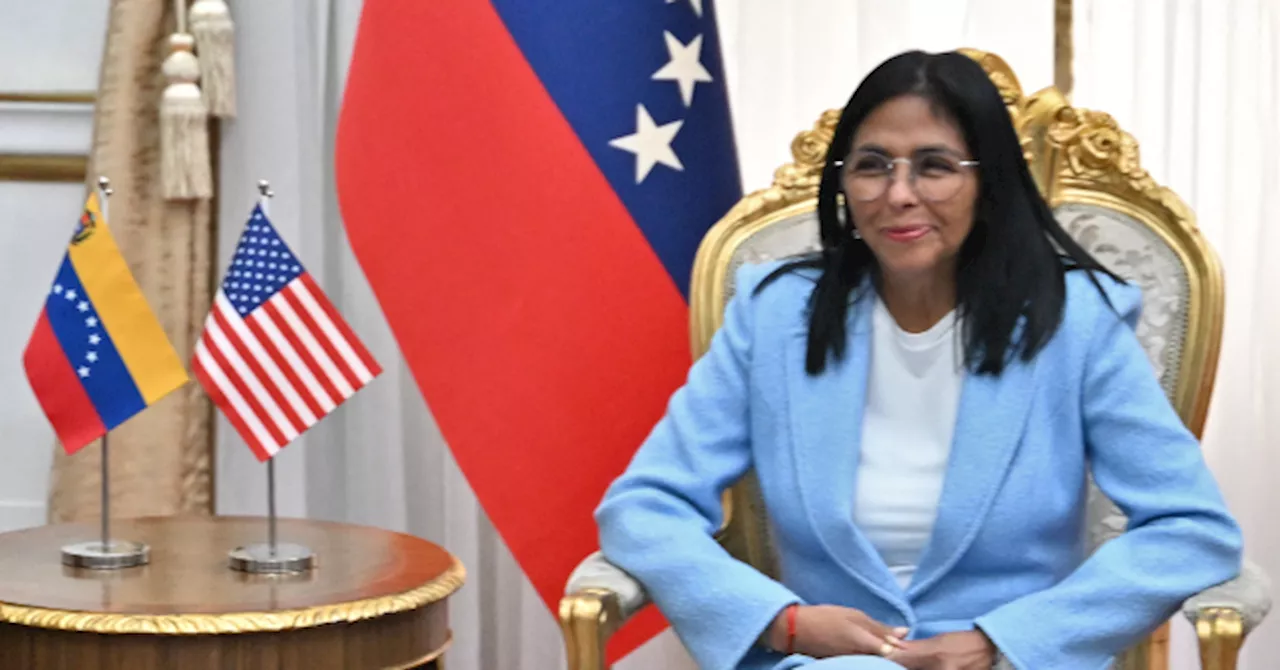
The political landscape in Venezuela is experiencing a significant shift as Delcy Rodríguez, the newly appointed interim leader, publicly refers to United States President Donald Trump as a “friend” and “partner.” This development follows the arrest of former President Nicolás Maduro, which has prompted discussions around a potential thaw in US-Venezuelan relations. Rodríguez’s remarks signal a desire for cooperation and an end to the sanctions that have heavily impacted the Venezuelan economy.
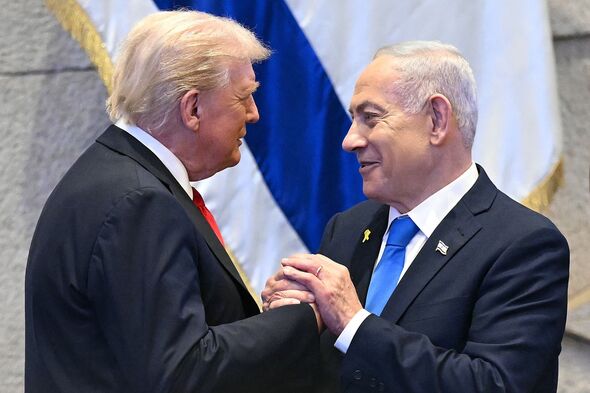
Rodríguez’s positive characterization of Trump came during a recent event attended by Maduro’s son, Nicolás Maduro Guerra. Her comments follow Trump’s previous description of Venezuela as a “new friend of the United States.” This new dynamic marks a departure from the confrontational stance of the previous Maduro administration. Trump has consistently expressed admiration for Rodríguez, acknowledging her prominent role in Venezuelan politics, particularly during Maduro’s tenure.
During his State of the Union address, Trump highlighted the growing relationship between the two nations, pointing out that Venezuela had supplied over 80 million barrels of oil to the United States. This figure surpassed initial estimates and was part of a broader agreement allowing American oil companies to operate in Venezuela, aimed at revitalizing its struggling oil industry. Despite having the world’s largest known oil reserves, Venezuela has faced severe production challenges due to socialist policies that led to the exodus or imprisonment of skilled workers.
Rodríguez addressed the sanctions during her speech, urging their removal and emphasizing that Venezuela has never posed a threat to the United States. She expressed hope for a cooperative agenda, stating, “This situation opens a new cooperation agenda with the United States.” However, she acknowledged that any progress would likely depend on Venezuela’s commitment to improving its human rights record and distancing itself from nations viewed as adversaries by the US, such as Cuba, China, and Russia.
Reports indicate that Rodríguez is taking steps to expel Cuban security agents who have long influenced the Venezuelan government. The Cuban regime confirmed the deaths of 32 soldiers in defense of Maduro during his arrest, although there were no official reports of Venezuelan military casualties. Under Rodríguez’s direction, both Cuban security operatives and civilians, including medical personnel, are being removed from Venezuela.
On the human rights front, Rodríguez and her brother, Jorge Rodríguez, have committed to releasing political prisoners. Maduro’s administration was notorious for its aggressive tactics against dissenters, leading to widespread international condemnation. In his State of the Union address, Trump acknowledged the plight of Venezuelans opposing socialism, inviting Enrique Márquez, a politician imprisoned after challenging Maduro in the 2024 elections, as a guest. Márquez’s emotional reunion with his niece during the event underscored the human cost of Venezuela’s political turmoil.
The transformation in US-Venezuelan relations under Rodríguez’s leadership represents a pivotal moment for both nations. The potential for cooperation could reshape Venezuela’s international relationships while addressing pressing domestic issues. As the situation evolves, it remains to be seen how effectively Rodríguez can implement changes and whether the US will respond positively to Venezuela’s overtures for collaboration.