A senior official from the Trump administration has issued a pointed warning to the newly elected mayor of Seattle regarding the treatment of citizen journalists. This statement follows the recent work of Nick Shirley, who uncovered alleged fraudulent activities linked to childcare services within Minnesota’s Somali community. The official emphasized the need to uphold the rights of those engaging in citizen journalism, asserting that questioning and reporting should not be met with hostility.
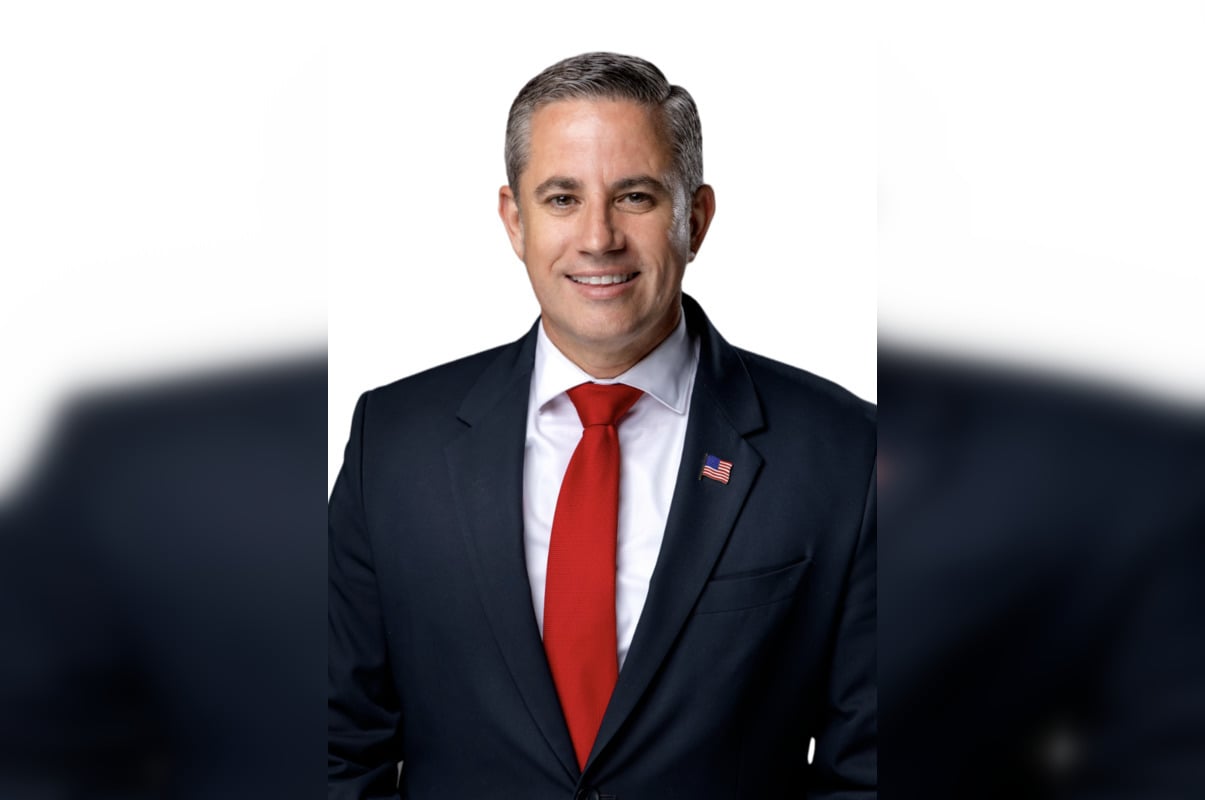
In a post shared on social media, the official, identified as Wilson, expressed solidarity with Somali childcare providers facing what she termed targeted harassment. She condemned any surveillance efforts aimed at silencing those who seek accountability. “Asking questions and citizen journalism are NOT HATE CRIMES in America—they are protected speech,” Wilson stated. She further warned that if Seattle attempts to suppress this form of expression, her office would intervene to uphold these rights.
Shirley’s investigation, which reportedly revealed over $110 million in fraud within a single day, has sparked a broader discussion about alleged fraudulent practices in childcare across the United States. Reports suggest that similar patterns may exist in states including Ohio, Maine, and Pennsylvania, raising concerns about systemic abuse of public funds within the Somali community.
Wilson’s remarks come at a time when the role of citizen journalists is increasingly scrutinized, particularly in politically charged environments. She encouraged those who believe they have been victims of hate crimes to contact a hotline she provided, reinforcing the message that citizens should feel empowered to report and investigate without fear of retribution.
The situation in Seattle underscores a complex dynamic between local governance and freedom of speech. As citizen journalism continues to gain traction, the potential for conflicts between official narratives and independent reporting remains high. Wilson’s call for the mayor to “govern yourselves accordingly” reflects a growing tension over the boundaries of accountability and oversight in public services.
This incident highlights the ongoing debate surrounding the legitimacy of citizen-led investigations and their impact on public policy. As more individuals engage in these activities, the implications for both accountability and governance are likely to resonate beyond Seattle, influencing how cities across the nation approach citizen journalism.