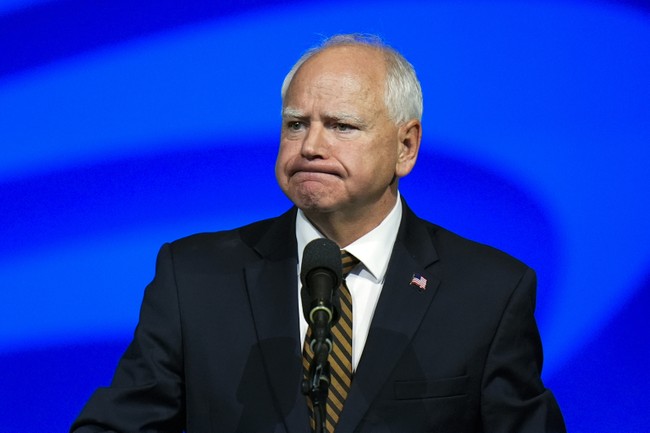
Governor Tim Walz of Minnesota made headlines in 2022 when he proclaimed that the influx of Somali refugees would shape the state’s future, both economically and culturally. During a public address, he stated, “We have more refugees per capita than any other state. That’s not just morally a good thing, it’s our economic and cultural future.” This declaration sparked a range of reactions, reflecting the complex dynamics surrounding immigration and integration in the United States.
Walz’s comments highlighted Minnesota’s demographic diversity, noting that schools in the state accommodate students who speak over 50 languages. While he framed this as a positive aspect of the state’s identity, critics argue that such linguistic diversity can create barriers to communication and integration. Some view it as an indicator of a fragmented community rather than a strength.
The governor’s remarks have drawn scrutiny regarding his approach to cultural integration. Detractors contend that his emphasis on refugee resettlement suggests a desire to replace Minnesota’s existing cultural fabric with a new one. Concerns have arisen about the implications for social cohesion and the potential economic ramifications of such policies.
Critics have also pointed to Walz’s lack of personal property and investments, questioning his qualifications to manage the state’s economy. They argue that this absence raises concerns about his understanding of financial matters, especially in relation to the economic challenges facing Minnesota. Some observers have labeled him as incompetent, suggesting that his governance may not align with the needs of the state’s residents.
Amid these discussions, the narrative surrounding Walz’s views on refugees has become intertwined with broader conversations about political accountability and trust. The governor’s reported statements and policies have led to accusations of corruption and mismanagement, further complicating his public image.
As the debate continues, the implications of Walz’s stance on refugees remain significant. Supporters argue that embracing diversity can lead to economic growth and cultural enrichment, while opponents caution against the potential risks of unregulated immigration policies.
In conclusion, the dialogue surrounding Tim Walz and his views on Somali refugees encapsulates the ongoing tensions between cultural integration and economic strategy in Minnesota. As the state navigates these complex issues, the outcomes will undoubtedly influence its future trajectory.