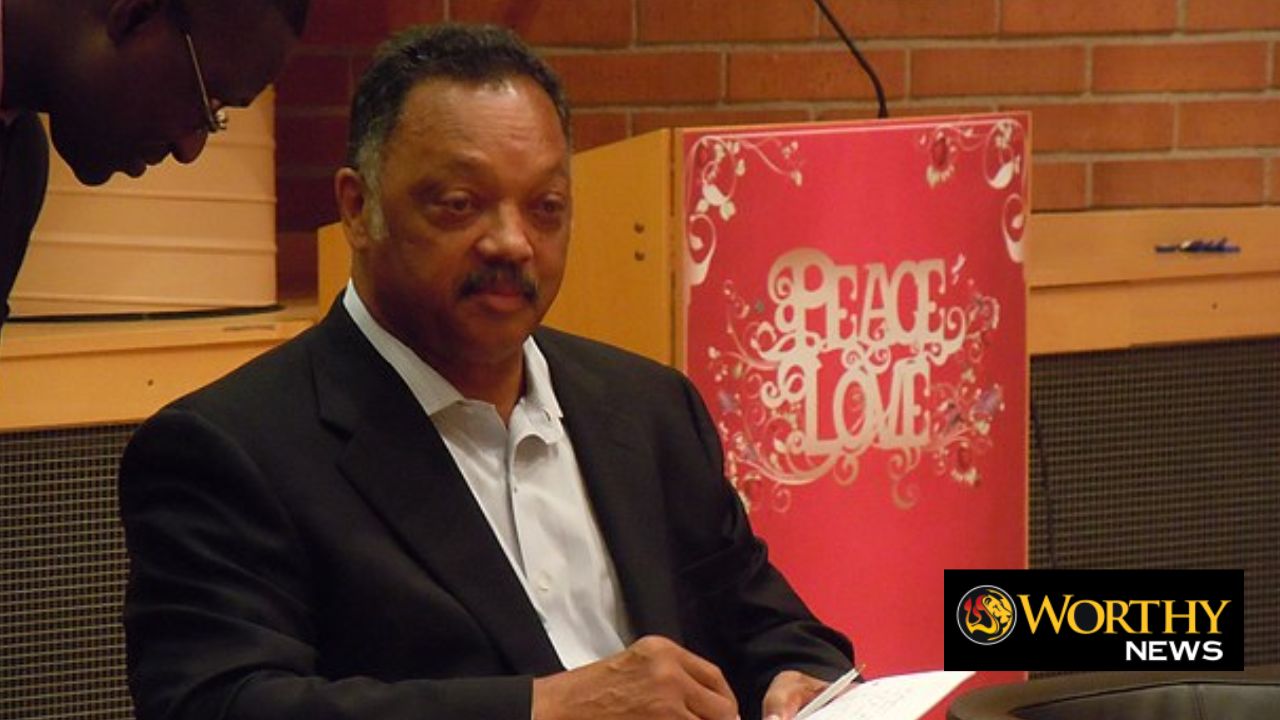
Reverend Jesse Jackson, a prominent figure in the civil rights movement and a two-time presidential candidate, passed away at the age of 84 on February 17, 2026. His family announced his death in a heartfelt statement that celebrated his life as a “servant leader” dedicated to advocating for justice and equality. Jackson’s legacy spans over five decades of activism, influenced deeply by his Christian faith.
Throughout his life, Jackson was a powerful voice for the marginalized and oppressed. He is best known for his significant bids for the Democratic presidential nomination in 1984 and 1988, marking him as one of the first Black candidates to run a serious campaign for the presidency. His family noted, “We shared him with the world, and in return, the world became part of our extended family. His unwavering belief in justice, equality, and love uplifted millions.”
Health Challenges and Activism
The exact cause of Jackson’s death has not been disclosed, but he had battled progressive supranuclear palsy (PSP), a rare neurodegenerative disorder, after being diagnosed with Parkinson’s disease. He also faced multiple hospitalizations due to COVID-19 in recent years. Born Jesse Louis Burns on October 8, 1941, in Greenville, South Carolina, Jackson emerged from the segregated South to become a key leader in the civil rights movement. He marched alongside the Reverend Dr. Martin Luther King Jr. and participated in pivotal demonstrations, including the 1965 Selma-to-Montgomery march.
After King’s assassination in 1968, Jackson shifted his focus toward economic justice. He led Operation Breadbasket in Chicago and founded Operation PUSH (People United to Serve Humanity) and the Rainbow/PUSH Coalition. These organizations emphasized economic opportunity, minority business development, and voter registration, merging faith-based activism with political engagement.
Political Impact and Lasting Legacy
Jackson’s presidential runs were groundbreaking. In 1988, he secured 11 primaries and caucuses, finishing second to Massachusetts Governor Michael Dukakis. Although he did not win the Democratic nomination, Jackson garnered nearly 29 percent of the primary vote and over 1,200 delegates, significantly influencing the party’s approach to issues like poverty, healthcare, and urban investment.
Political analysts credit Jackson with expanding minority voter participation and challenging the Democratic establishment to address systemic inequalities. His slogan “Keep hope alive” became synonymous with his rallies and encapsulated his message of optimism and resilience. Following his death, tributes poured in from civil rights leaders and politicians, including former President Barack Obama, who acknowledged Jackson’s pivotal role in paving the way for future generations of minority candidates.
Beyond politics, Jackson engaged in diplomatic efforts during the 1980s and 1990s, helping to secure the release of detained Americans in countries such as Syria, Cuba, Iraq, and Yemen. He also stood against apartheid in South Africa, advocating for economic sanctions and expressing solidarity with Nelson Mandela after Mandela’s release from prison in 1990.
Religious leaders often described Jackson as a pastor-activist, whose political engagement was rooted in moral and biblical principles. Throughout his life, he remained vocal on issues of voting rights, economic inequality, and racial discrimination, often stirring controversy but never straying from his commitment to defending the vulnerable.
Jackson’s contributions to civil rights were recognized through numerous awards, including the Presidential Medal of Freedom in 2000. His passing marks the loss of a significant figure directly linked to the original civil rights movement of the 1960s. He is survived by his wife of over six decades, Jacqueline Jackson, six children, and several grandchildren.