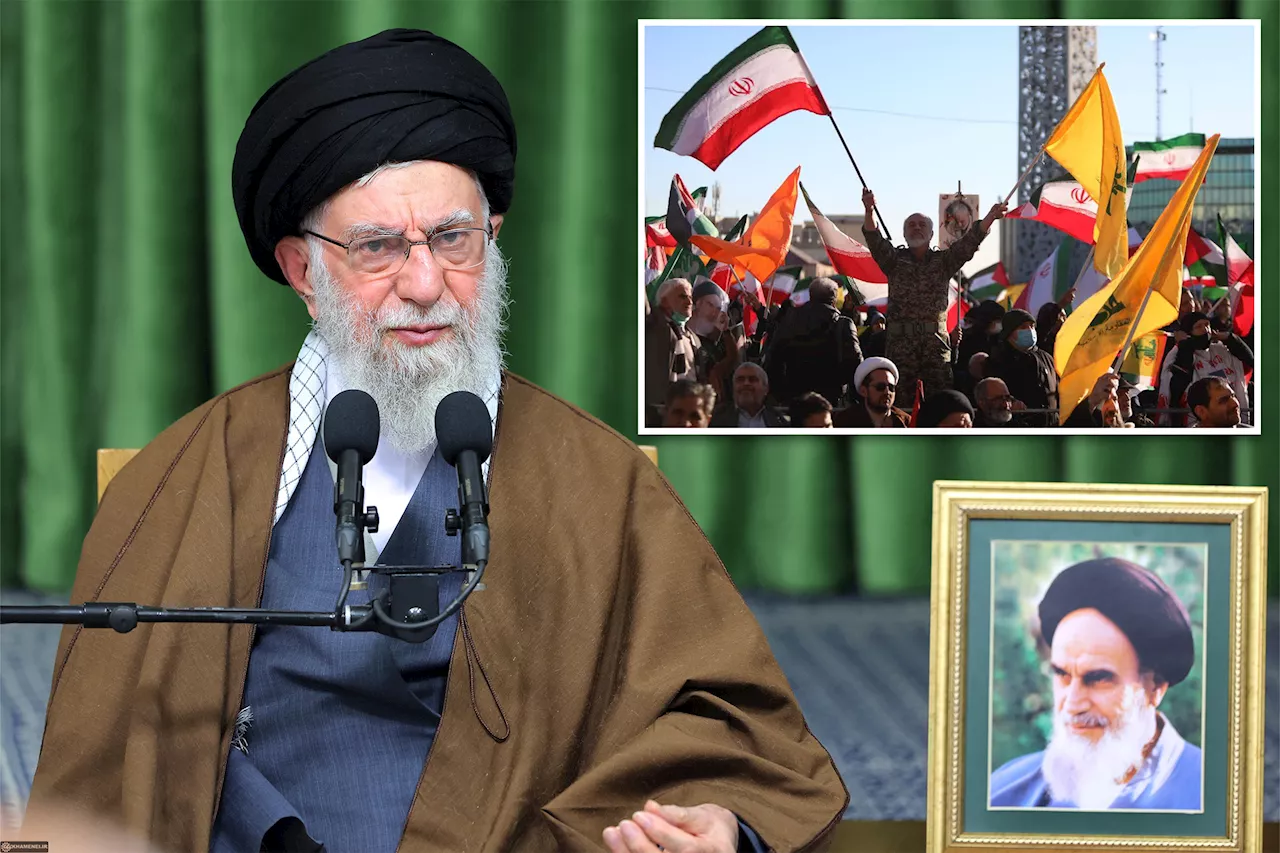
Protests erupted across Iran on December 27, 2023, as citizens took to the streets to voice their discontent over escalating political and economic crises. The government’s response included a shutdown affecting 21 of Iran’s 31 provinces, including the capital, Tehran. This move aimed to quell the unrest that has been building due to rising inflation, currency instability, and declining living standards.
Video footage shared by the People’s Mojahedin Organization of Iran depicted violent clashes between protesters and security forces in various cities, including Shiraz, Isfahan, Kermanshah, and Tehran. Demonstrators vocally expressed their anger, chanting slogans such as “Death to the dictator” and “Death to Khamenei!” These protests reflect a growing frustration with the Iranian leadership, particularly against Supreme Leader Ayatollah Ali Khamenei.
In the city of Fasa, demonstrators were seen throwing objects at the gates of a government complex, demanding change. Military helicopters flew overhead, presumably to intimidate protestors and deter any further escalation of unrest. In Kermanshah, merchants in the bazaars confronted security forces, chanting “Dishonorable, dishonorable,” showcasing the widespread nature of the protests.
The shutdown, ordered by President Masoud Pezeshkian, aimed to contain public anger that has been fueled by economic hardships. As protests and strikes continued for a fourth consecutive day, Pezeshkian appointed Abdolnaser Hemmati, a former economy minister, as the new head of Iran’s central bank following the resignation of Mohammad Reza Farzin. State media indicated that Pezeshkian acknowledged the significant challenges Hemmati would face in this role, particularly given the ongoing economic turmoil.
Additionally, Ayatollah Ali Khamenei announced the appointment of IRGC Brigadier General Ahmad Vahidi as deputy commander in chief of the Revolutionary Guards, further consolidating military power during this period of unrest.
The protests, marked by escalating tensions and calls for accountability from the Iranian government, signal a critical moment in the country’s political landscape. With citizens openly challenging the authority of their leaders, the coming days will be crucial in determining the trajectory of these demonstrations and the government’s response to mounting public dissatisfaction.